





What is the energy - saving effect of a high - efficiency Mini Substation Transformer?
Aug 04, 2025
Leave a message
As a supplier of Mini Substation Transformers, I've witnessed firsthand the growing demand for energy - efficient solutions in the power distribution sector. In this blog, I'll delve into the energy - saving effects of high - efficiency Mini Substation Transformers and why they are a game - changer for many industries.
Understanding Mini Substation Transformers
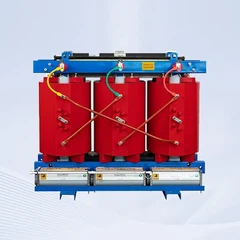
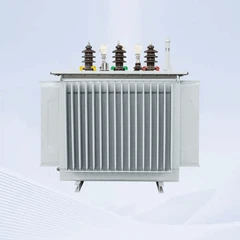
Mini Substation Transformers are compact yet powerful devices designed to step up or step down voltage levels in electrical systems. They play a crucial role in power distribution, ensuring that electricity is delivered safely and efficiently to end - users. These transformers are often used in small - scale industrial facilities, commercial buildings, and residential areas where space is limited.
The energy - saving capabilities of a high - efficiency Mini Substation Transformer stem from several key design and technological features.
Core Design and Material
The core of a transformer is one of the most critical components affecting its energy efficiency. High - efficiency Mini Substation Transformers typically use high - grade silicon steel laminations for their cores. These laminations are designed to reduce eddy current losses, which are a major source of energy waste in transformers.
Eddy currents are induced in the core when the magnetic field changes. By using thin laminations insulated from each other, the path for eddy currents is restricted, thereby reducing the power dissipated as heat. Additionally, some advanced transformers use amorphous metal cores. Amorphous metals have lower hysteresis losses compared to traditional silicon steel. Hysteresis loss occurs when the magnetic domains in the core material realign with the changing magnetic field. The unique atomic structure of amorphous metals allows for easier and more efficient magnetic domain realignment, resulting in less energy being wasted.
Winding Design
The winding design of a Mini Substation Transformer also has a significant impact on its energy - saving performance. High - efficiency transformers use high - quality copper or aluminum conductors for their windings. Copper has a lower resistivity than aluminum, which means less energy is lost as heat when current flows through the windings.
In addition to the conductor material, the winding configuration is carefully optimized. For example, some transformers use a concentric winding arrangement, where the primary and secondary windings are placed one over the other. This design reduces the leakage reactance between the windings, improving the overall efficiency of the transformer. Leakage reactance causes energy to be stored in the magnetic field outside the windings, leading to power losses. By minimizing leakage reactance, more of the electrical energy is transferred from the primary to the secondary side of the transformer, rather than being wasted.
Load Management and Efficiency
Another aspect of the energy - saving effect of high - efficiency Mini Substation Transformers is their ability to adapt to different load conditions. These transformers are designed to maintain high efficiency over a wide range of loads. In a traditional transformer, the efficiency is often optimized for a specific load level, typically around 50% - 60% of the rated load. However, in real - world applications, the load on a transformer can vary significantly throughout the day.
High - efficiency Mini Substation Transformers use advanced control systems to adjust their operation based on the load. For example, some transformers can automatically switch between different winding configurations or tap settings to ensure optimal performance at all load levels. This means that even when the load is low, the transformer can still operate efficiently, reducing energy waste.
Real - World Energy Savings
The energy - saving potential of high - efficiency Mini Substation Transformers can be substantial. Let's consider a small commercial building that uses a traditional transformer. Over the course of a year, the energy losses in the transformer can account for a significant portion of the total electricity consumption. By replacing the traditional transformer with a high - efficiency Mini Substation Transformer, the building owner can expect to see a noticeable reduction in energy costs.
For instance, assume that a traditional transformer has an efficiency of 95% at full load, while a high - efficiency Mini Substation Transformer has an efficiency of 98%. If the building consumes 100,000 kWh of electricity per year through the transformer, the traditional transformer would waste 5,000 kWh (100,000×(1 - 0.95)) as heat, while the high - efficiency transformer would only waste 2,000 kWh (100,000×(1 - 0.98)). This represents a savings of 3,000 kWh per year, which can translate into significant cost savings, especially when considering the long - term operation of the transformer.
Environmental Benefits
The energy - saving effect of high - efficiency Mini Substation Transformers also has positive environmental implications. By reducing energy consumption, these transformers help to lower greenhouse gas emissions. Since most electricity generation still relies on fossil fuels, less energy consumption means less burning of coal, oil, or natural gas, which in turn reduces the release of carbon dioxide and other pollutants into the atmosphere.
Moreover, the reduced heat generation from high - efficiency transformers also means less strain on cooling systems. In some cases, this can lead to further energy savings in the overall power distribution system, as less energy is required to keep the transformer at an optimal operating temperature.
Applications and Compatibility
High - efficiency Mini Substation Transformers are highly versatile and can be used in a variety of applications. They are suitable for both new construction projects and retrofit applications. In new buildings, these transformers can be integrated into the electrical design from the start, taking advantage of their energy - saving features and compact size.
For retrofit projects, the installation of a high - efficiency Mini Substation Transformer can be relatively straightforward. Many of these transformers are designed to be compatible with existing electrical systems, allowing building owners to upgrade their power distribution equipment without major overhauls.


If you're interested in learning more about different types of substation transformers, you can visit the following links: Unit Transformer Substation, Substation Transformers, and YBW 10kV Outdoor European Prefabricated Substation. These pages provide detailed information about various substation transformer products and their applications.
Conclusion
In conclusion, the energy - saving effect of high - efficiency Mini Substation Transformers is significant. Through advanced core and winding designs, load management capabilities, and high - performance materials, these transformers can reduce energy losses, lower operating costs, and have a positive impact on the environment.
As a supplier of Mini Substation Transformers, I'm committed to providing high - quality, energy - efficient solutions to meet the diverse needs of our customers. If you're considering upgrading your power distribution system or are in the market for a new Mini Substation Transformer, I encourage you to reach out for a consultation. We can help you select the right transformer for your specific requirements and provide you with detailed information about the energy - saving benefits and cost - savings potential.
References
- "Electric Power Distribution Handbook" by Dugan, McGranaghan, and Beaty.
- "Transformer Engineering: Design, Technology, and Diagnostics" by J. Singhal and G. Swift.
Send Inquiry