





What is the function of a pressure relief device in a substation transformer?
Jun 06, 2025
Leave a message
Hey there! As a supplier of substation transformers, I've seen firsthand the importance of every single component in these complex machines. One such crucial part is the pressure relief device. So, what's the deal with this pressure relief thingy in a substation transformer? Let's dig in!
The Basics of Substation Transformers
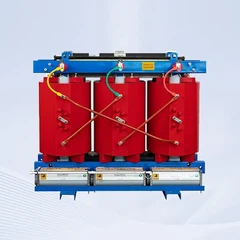
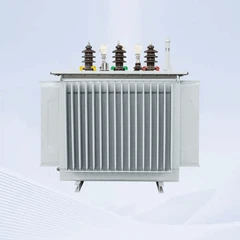
First off, let's quickly go over what a substation transformer does. These bad boys are the heart of the electrical grid. They step up or step down the voltage of electricity, making it suitable for transmission and distribution. Whether it's a 125KVA Outdoor Box Type Combination Transformer, a 50Hz 60Hz Outdoor European-Style Box-Type Substation, or a 4300KVA Prefabricated Substation, they all work hard to keep the power flowing.
But here's the thing, transformers generate a whole lot of heat during operation. That's because they're constantly converting electrical energy, and some of that energy is lost as heat. This heat can cause the oil inside the transformer (which is used for insulation and cooling) to expand. And if this expansion isn't managed properly, it can lead to some serious problems.
The Role of a Pressure Relief Device
This is where the pressure relief device comes in. Its main job is to prevent the build-up of excessive pressure inside the transformer. When the pressure inside the transformer rises above a certain level, the pressure relief device kicks into action.
Preventing Explosions
One of the most critical functions of the pressure relief device is to prevent explosions. You see, if the pressure inside the transformer gets too high, it can cause the transformer tank to rupture. And when that happens, it's not just a little leak. It can be a full-blown explosion, which is not only dangerous for the people working around the transformer but also for the entire electrical grid. The pressure relief device acts as a safety valve, releasing the excess pressure before it reaches a dangerous level.
Protecting the Transformer Components
Excessive pressure can also damage the internal components of the transformer. The windings, which are responsible for transferring electrical energy, can be distorted or even short-circuited under high pressure. The insulation materials can also be damaged, leading to a loss of insulation properties. By releasing the excess pressure, the pressure relief device helps to protect these delicate components, ensuring the long-term reliability and performance of the transformer.
Maintaining Oil Quality
The oil inside the transformer plays a crucial role in its operation. It provides insulation between the electrical components and helps to dissipate heat. However, high pressure can cause the oil to break down, forming gases and sludge. These by-products can reduce the effectiveness of the oil and lead to further problems. The pressure relief device helps to maintain the quality of the oil by preventing the pressure from getting too high, thus extending the life of the oil and the transformer itself.
How Pressure Relief Devices Work
There are different types of pressure relief devices, but they all work on the same basic principle. Most of them are spring-loaded valves. When the pressure inside the transformer exceeds the set pressure of the valve, the spring is compressed, and the valve opens, allowing the excess pressure to escape. Once the pressure drops back to a safe level, the spring expands, and the valve closes again.


Some pressure relief devices are also equipped with a rupture disc. This is a thin metal disc that is designed to rupture at a specific pressure. When the pressure reaches this level, the disc breaks, releasing the excess pressure. Rupture discs are often used as a secondary safety measure in case the main valve fails.
Importance of Regular Maintenance
Just like any other component in a substation transformer, the pressure relief device needs regular maintenance. Over time, the valve can become clogged with dirt and debris, preventing it from opening properly. The spring can also lose its elasticity, causing the valve to open at the wrong pressure. Regular inspections and maintenance can help to ensure that the pressure relief device is working correctly and will function when needed.
Conclusion
In conclusion, the pressure relief device is an essential part of a substation transformer. It plays a vital role in preventing explosions, protecting the internal components, and maintaining the quality of the oil. Without a properly functioning pressure relief device, the transformer would be at risk of serious damage, which could lead to power outages and safety hazards.
If you're in the market for a substation transformer or need to replace a pressure relief device, don't hesitate to get in touch. We've got a wide range of high-quality transformers and components to meet your needs. Whether it's a small 125KVA Outdoor Box Type Combination Transformer for a rural area or a large 4300KVA Prefabricated Substation for an industrial complex, we've got you covered. Contact us today to start the conversation and find the perfect solution for your power needs.
References
- Electrical Power System Basics, Third Edition, by Thomas Overbye
- Transformer Engineering: Design, Technology, and Diagnostics, by G. Deb and G. B. Ghosh
Send Inquiry