







When should a single - phase substation power transformer be used?
Jun 06, 2025
Leave a message
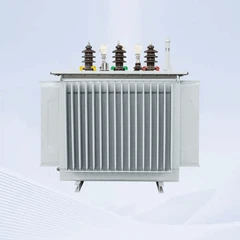
Hey there! As a supplier of substation power transformers, I often get asked about when a single - phase substation power transformer should be used. Well, let's dive right into it and explore the scenarios where these transformers shine.
First off, let's understand what a single - phase substation power transformer is. It's a type of transformer that deals with single - phase electrical power. Unlike three - phase transformers, which are more commonly used in large industrial settings, single - phase transformers have their own niche applications.
Residential Areas
One of the most common places where single - phase substation power transformers are used is in residential areas. Most homes around the world are supplied with single - phase power. Why? It's simple. The electrical loads in a typical household, like lights, TVs, refrigerators, and small appliances, don't require the high - power capacity that three - phase power offers.
Single - phase transformers are well - suited for distributing power to individual houses or small groups of houses. They can step down the high - voltage power from the main grid to a safer and more usable voltage level, usually around 120V or 240V, depending on the local electrical standards. For example, in a suburban neighborhood, a single - phase transformer can be installed on a utility pole or in a small substation to serve a few dozen homes.
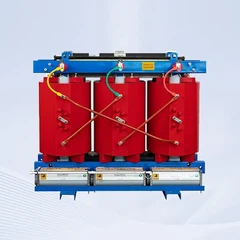
If you're interested in the types of transformers that can be used in such residential applications, you might want to check out our Dry Type Power Transformer. These transformers are known for their safety and reliability, making them a great choice for residential areas.
Small Commercial Establishments
Small businesses, such as local shops, cafes, and offices, also often rely on single - phase power. These establishments typically have a relatively low power demand compared to large factories or industrial complexes. A single - phase substation power transformer can efficiently supply the necessary electricity to run their equipment, like cash registers, coffee machines, and office computers.
For instance, a small bakery might use a single - phase transformer to power its ovens, mixers, and lighting. The transformer can ensure a stable power supply, preventing any disruptions that could affect the business operations. And if the business grows and the power demand increases slightly, it's usually easier and more cost - effective to upgrade the single - phase transformer rather than switching to a three - phase system right away.
Remote and Rural Areas
In remote and rural areas, where the population density is low and the power demand is spread out, single - phase transformers are a practical solution. It might not be economically viable to install a large three - phase substation in these areas. Instead, single - phase transformers can be placed at strategic locations to serve the scattered homes and small businesses.
These transformers can be easily transported and installed in areas with limited access. They can also operate efficiently with the relatively low - load conditions often found in rural settings. For example, in a farming community, a single - phase transformer can supply power to farmhouses, barns, and small agricultural equipment.
When Not to Use a Single - Phase Transformer
While single - phase substation power transformers have their advantages, there are also situations where they might not be the best choice. Large industrial facilities, for example, usually require three - phase power. Industries such as manufacturing plants, mines, and heavy machinery workshops have high - power equipment that needs a more balanced and higher - capacity power supply.
A 12 MVA Three Phase Power Transformer would be more suitable for these applications. Three - phase power provides a more constant and efficient power flow, which is essential for running large motors and other industrial equipment without overheating or experiencing power surges.
Another scenario where single - phase transformers are not ideal is in high - rise buildings. These buildings have a large number of electrical loads, including elevators, air - conditioning systems, and lighting for multiple floors. A three - phase power distribution system is necessary to handle the high power demand and ensure a stable supply throughout the building.
Considerations for Using Single - Phase Transformers
When deciding to use a single - phase substation power transformer, there are a few things to keep in mind. First, you need to accurately assess the power demand of the area or facility you're serving. This includes considering both the current load and any potential future growth. If you underestimate the power demand, the transformer might become overloaded, leading to frequent breakdowns and reduced lifespan.
You also need to think about the location of the transformer. It should be placed in a safe and accessible area, away from any potential hazards. Maintenance is another important factor. Regular inspections and maintenance can help ensure the transformer operates efficiently and safely. And if you're dealing with a harsh environment, such as a coastal area with high humidity or a dusty industrial zone, you might need to choose a transformer with appropriate protection features, like our 11KV/33KV Cast Resin Dry Type Power Transformer, which is designed to withstand tough conditions.
Conclusion
So, to sum it up, single - phase substation power transformers are a great choice for residential areas, small commercial establishments, and remote rural areas. They offer a cost - effective and efficient way to distribute single - phase power. However, they might not be suitable for large industrial facilities or high - rise buildings.
If you're in the market for a single - phase substation power transformer or need more information about our products, don't hesitate to reach out. We're here to help you find the right solution for your power distribution needs. Whether you're a homeowner, a small business owner, or involved in a rural electrification project, we can provide you with high - quality transformers and expert advice.


References
- Electrical Power Systems Engineering Handbook, McGraw - Hill
- Power Transformer Engineering: Design, Technology, and Diagnostics, Marcel Dekker
Send Inquiry