







What is the grounding requirement for a pole distribution transformer?
Jun 20, 2025
Leave a message
Hey there! As a supplier of pole distribution transformers, I often get asked about the grounding requirements for these essential pieces of equipment. In this blog post, I'll break down what you need to know about grounding pole distribution transformers, why it's so important, and how it all works.
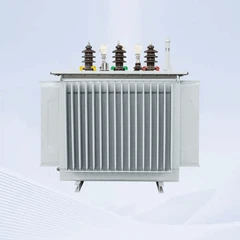
First off, let's talk about what a pole distribution transformer is. It's a type of transformer that's typically mounted on a utility pole and used to step down the high - voltage electricity from the power grid to a lower voltage that can be used in homes and businesses. These transformers are crucial for the reliable distribution of electricity in both urban and rural areas.
So, what are the grounding requirements? Well, grounding is all about safety and ensuring the proper operation of the transformer. When we talk about grounding a pole distribution transformer, we're mainly referring to two key aspects: the grounding of the transformer's enclosure and the grounding of the neutral conductor.
Grounding the Transformer Enclosure
The enclosure of the pole distribution transformer needs to be grounded. This is because the enclosure is made of metal, and in the event of a fault, such as a short - circuit, electrical current could flow through the enclosure. If the enclosure isn't grounded, anyone who touches it could get an electric shock.
To ground the enclosure, a grounding conductor is connected to the metal enclosure of the transformer and then to a grounding electrode. The grounding electrode is usually a metal rod or a group of rods driven into the ground. The idea is to provide a low - resistance path for the electrical current to flow into the ground in case of a fault.
The grounding conductor should be of an appropriate size. The size depends on factors like the fault current that the system might experience. A larger fault current requires a larger - sized grounding conductor to safely carry the current to the ground.
Grounding the Neutral Conductor
The neutral conductor of the pole distribution transformer also needs to be grounded. The neutral is an important part of the electrical system. In a three - phase system, the neutral provides a return path for the unbalanced current.
When the neutral is grounded, it helps to stabilize the voltage levels in the system. For example, if there's an unbalanced load on the three - phase system, the grounded neutral allows the excess current to flow into the ground, preventing over - voltage conditions on the phases.
The grounding of the neutral conductor is usually done at the transformer location. A connection is made between the neutral terminal of the transformer and the grounding electrode. This ensures that the neutral is at or near the same potential as the ground.
Importance of Proper Grounding
Proper grounding of pole distribution transformers is extremely important for several reasons.


Safety
As I mentioned earlier, grounding the enclosure protects people from electric shocks. If a fault occurs and the current flows through the enclosure, the grounded path will direct the current into the ground instead of through a person who might touch the transformer.
Equipment Protection
Grounding also helps to protect the transformer and other electrical equipment. In the event of a lightning strike or a short - circuit, the excess electrical energy can be safely dissipated into the ground through the grounding system. This reduces the risk of damage to the transformer windings and other components.
System Stability
The grounding of the neutral conductor plays a key role in maintaining the stability of the electrical system. It helps to keep the voltage levels within acceptable limits, which is essential for the proper operation of electrical appliances and equipment connected to the system.
Compliance with Standards
There are various standards and codes that govern the grounding requirements for pole distribution transformers. These standards are in place to ensure the safety and reliability of the electrical system.
For example, the National Electrical Code (NEC) in the United States provides detailed guidelines on grounding requirements for electrical equipment, including pole distribution transformers. These guidelines cover aspects such as the size of grounding conductors, the type of grounding electrodes, and the installation methods.
Our Pole Distribution Transformers and Grounding
At our company, we take the grounding requirements for our pole distribution transformers very seriously. We design and manufacture our transformers to meet or exceed the relevant standards and codes.
We offer a wide range of pole distribution transformers, such as the 10kVA 15kVA Pole Mounted Transformer, which are suitable for small - scale applications. These transformers come with proper grounding provisions to ensure the safety of users.
For larger - scale applications, we have the 250 KVA Pole Mounted Distribution Transformer. These transformers are built with robust grounding systems to handle higher fault currents.
If you need a transformer for a three - phase system, our Three Phase Pole Mounted Transformer is a great option. We make sure that the neutral grounding is carefully designed to maintain system stability.
Contact Us for Your Transformer Needs
If you're in the market for a pole distribution transformer, whether it's a small - capacity one or a large - scale three - phase transformer, we're here to help. Our team of experts can guide you through the selection process and ensure that you get a transformer that meets your specific requirements and complies with all the necessary grounding standards.
Don't hesitate to reach out to us for more information or to start a procurement discussion. We're committed to providing high - quality pole distribution transformers with reliable grounding systems.
References
- National Electrical Code (NEC)
- Electrical Power Systems Engineering textbooks
- Industry standards and guidelines for pole distribution transformers
Send Inquiry