





What is the impact of surges on a three - phase power transformer?
Jul 18, 2025
Leave a message
Hey there! As a supplier of three - phase power transformers, I've seen firsthand the importance of understanding how surges can impact these vital pieces of equipment. In this blog, I'm gonna break down what surges are, how they affect three - phase power transformers, and what we can do about it.
What Are Surges?
First things first, let's talk about what surges are. A surge, also known as a transient overvoltage, is a short - lived burst of high - voltage electricity in an electrical circuit. Surges can be caused by a variety of factors, both internal and external to the power system.
External causes of surges include lightning strikes. When lightning hits a power line, it can send a massive amount of electrical energy into the system in a split second. This sudden influx of energy can cause a huge spike in voltage. Another external cause is switching operations in the power grid. When large electrical loads are turned on or off, it can create a disturbance in the electrical flow, leading to a surge.
Internal causes of surges can come from within a facility. For example, the starting and stopping of large motors can generate surges. When a motor starts, it draws a large amount of current, which can cause a drop in voltage and then a subsequent surge when the motor stabilizes.
Impact of Surges on Three - Phase Power Transformers
Insulation Damage
One of the most significant impacts of surges on three - phase power transformers is insulation damage. The insulation in a transformer is crucial for preventing electrical current from leaking and for maintaining the proper electrical isolation between different parts of the transformer.
Surges can cause the insulation to break down. The high - voltage spikes associated with surges can create electrical stress on the insulation material. Over time, this stress can lead to the formation of small cracks or voids in the insulation. Once these defects form, they can grow and eventually lead to a complete insulation failure. When the insulation fails, it can cause a short - circuit within the transformer, which can lead to a fire or explosion in severe cases.
Winding Failures
Surges can also cause damage to the transformer windings. The windings are made up of coils of wire that carry the electrical current. When a surge hits, it can cause a large current to flow through the windings. This sudden increase in current can generate excessive heat, which can damage the wire insulation and even melt the wire itself.
In addition, the electromagnetic forces generated by the surge can cause mechanical stress on the windings. These forces can cause the windings to move or vibrate, which can lead to mechanical damage. If the windings are damaged, the transformer's performance will be severely affected, and it may need to be replaced.
Core Damage
The core of a three - phase power transformer is made of a magnetic material, usually laminated steel. Surges can cause magnetic saturation in the core. When the core becomes saturated, it can no longer efficiently transfer the magnetic flux, which is essential for the transformer's operation.
This magnetic saturation can lead to increased core losses, which means that more energy is wasted as heat. Over time, the increased heat can cause damage to the core material, reducing the transformer's efficiency and lifespan.
Types of Our Three - Phase Power Transformers and Surge Resistance
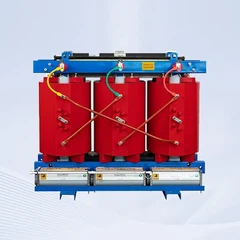
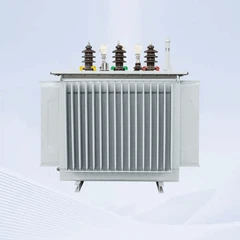
We offer a range of three - phase power transformers, each designed to meet different needs. For example, our S(B)H15 - M Series Sealed Amorphous Alloy Power Transformer is known for its high efficiency and low losses. The amorphous alloy core in this transformer provides better magnetic properties compared to traditional steel cores, which can help it withstand surges to some extent.
Our 315kVA All Copper High Voltage Power Transformer is built with high - quality copper windings. Copper has excellent electrical conductivity and can handle high currents better than other materials. This makes the transformer more resistant to the effects of surges, as it can dissipate the heat generated by the surge more effectively.
Our Medium Voltage Control Power Transformers are designed for use in medium - voltage applications. These transformers are engineered with advanced insulation materials and winding designs to provide reliable performance even in the presence of surges.


Protecting Three - Phase Power Transformers from Surges
To protect three - phase power transformers from surges, several measures can be taken. One of the most common methods is to install surge protectors. Surge protectors are devices that are designed to divert the excess voltage from a surge away from the transformer. They work by providing a low - impedance path for the surge current to flow to the ground.
Another important measure is proper grounding. A good grounding system ensures that any electrical faults or surges are safely conducted to the ground. This helps to prevent the build - up of high voltages within the transformer and the electrical system.
Regular maintenance and testing of the transformer are also crucial. By regularly inspecting the insulation, windings, and core of the transformer, any potential problems can be detected early. This allows for timely repairs or replacements, which can prevent more serious damage from occurring.
Conclusion
In conclusion, surges can have a significant impact on three - phase power transformers. From insulation damage and winding failures to core damage, the effects of surges can be costly and dangerous. However, by understanding the causes and impacts of surges, and by taking appropriate protective measures, we can minimize the damage and ensure the reliable operation of our transformers.
If you're in the market for a three - phase power transformer, or if you have any questions about surge protection for your existing transformers, don't hesitate to reach out. We're here to help you find the right solution for your needs. Let's have a chat about your requirements and see how we can assist you in getting the most out of your power transformers.
References
- Electric Power Systems: Analysis and Control by Claudio A. Canizares
- Power System Transients: Theory and Applications by V. Terzija
Send Inquiry