







What are the different types of insulation used in pole mounted transformers?
Jul 17, 2025
Leave a message
Hey there! As a supplier of Pole Mounted Transformers, I've been getting a lot of questions lately about the different types of insulation used in these transformers. So, I thought I'd put together this blog post to give you the lowdown on all the ins and outs of transformer insulation.
First off, let's talk about why insulation is so important in pole mounted transformers. These transformers are typically installed outdoors on utility poles, which means they're exposed to all kinds of weather conditions, from scorching heat to freezing cold, and from heavy rain to high winds. Insulation helps to protect the transformer's internal components from these environmental factors, as well as from electrical arcing and short circuits. Without proper insulation, the transformer could overheat, malfunction, or even pose a safety hazard.
Now, let's dive into the different types of insulation used in pole mounted transformers.
Mineral Oil Insulation
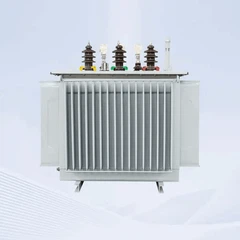
Mineral oil is one of the most commonly used insulating materials in pole mounted transformers. It's a petroleum-based product that has excellent dielectric properties, which means it can effectively prevent the flow of electric current between the transformer's windings and other components. Mineral oil also has good heat transfer properties, which helps to keep the transformer cool.
One of the main advantages of mineral oil insulation is its low cost. It's readily available and relatively inexpensive compared to other types of insulation. Mineral oil is also easy to work with and can be easily replaced if it becomes contaminated or degraded over time.
However, mineral oil insulation does have some drawbacks. It's flammable, which means there's a risk of fire if the transformer is damaged or overheated. Mineral oil can also be harmful to the environment if it leaks or spills, so proper handling and disposal procedures need to be followed.
Silicone Fluid Insulation
Silicone fluid is another type of insulation that's commonly used in pole mounted transformers. It's a synthetic fluid that has excellent dielectric properties and is non-flammable, which makes it a safer alternative to mineral oil insulation. Silicone fluid also has good heat transfer properties and can withstand high temperatures without degrading.
One of the main advantages of silicone fluid insulation is its environmental friendliness. It's non-toxic and doesn't pose a risk to the environment if it leaks or spills. Silicone fluid is also more resistant to oxidation and aging than mineral oil, which means it has a longer service life.
However, silicone fluid insulation is more expensive than mineral oil insulation. It's also more difficult to work with and requires special handling and disposal procedures.
Cast Resin Insulation
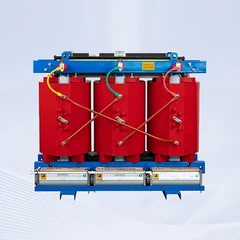
Cast resin insulation is a type of insulation that's made by casting a resin material around the transformer's windings. It's a solid insulation system that provides excellent electrical insulation and mechanical protection. Cast resin insulation is also non-flammable and doesn't require any additional cooling or fire protection systems.
One of the main advantages of cast resin insulation is its reliability. It's resistant to moisture, dust, and other environmental factors, which means it has a longer service life than other types of insulation. Cast resin insulation is also easy to install and maintain, which makes it a popular choice for pole mounted transformers.


However, cast resin insulation is more expensive than mineral oil insulation. It's also heavier and more bulky than other types of insulation, which can make it more difficult to transport and install.
Natural Ester Insulation
Natural ester insulation is a type of insulation that's made from vegetable oils, such as soybean oil or canola oil. It's a renewable and biodegradable alternative to mineral oil insulation. Natural ester insulation has excellent dielectric properties and is non-flammable, which makes it a safer and more environmentally friendly option.
One of the main advantages of natural ester insulation is its environmental friendliness. It's non-toxic and doesn't pose a risk to the environment if it leaks or spills. Natural ester insulation is also more resistant to oxidation and aging than mineral oil, which means it has a longer service life.
However, natural ester insulation is more expensive than mineral oil insulation. It's also more sensitive to moisture and requires special handling and storage procedures.
So, which type of insulation is the best for your pole mounted transformer? Well, it depends on a number of factors, including your budget, the environment in which the transformer will be installed, and your specific requirements. If you're looking for a low-cost option that's easy to work with, mineral oil insulation may be the best choice for you. If you're concerned about safety and the environment, silicone fluid insulation or natural ester insulation may be a better option. And if you're looking for a reliable and maintenance-free option, cast resin insulation may be the way to go.
At [Company Name], we offer a wide range of pole mounted transformers with different types of insulation to meet the needs of our customers. Whether you're looking for a Pole Mounted Transformers, a 50 KVA 120/240V Power Pole Transformer, or a Single Phase Pole Transformers, we have the right transformer for you.
If you're interested in learning more about our pole mounted transformers or have any questions about the different types of insulation, please don't hesitate to contact us. We'd be happy to help you find the right transformer for your needs and answer any questions you may have.
Thanks for reading!
References
- "Transformer Insulation Systems," IEEE Electrical Insulation Magazine, Vol. 24, No. 6, November/December 2008.
- "Insulation Materials for Power Transformers," CIGRE Technical Brochure 456, 2011.
- "Natural Ester Dielectric Fluids for Transformers," IEEE Electrical Insulation Magazine, Vol. 27, No. 3, May/June 2011.
Send Inquiry