

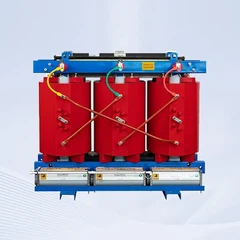
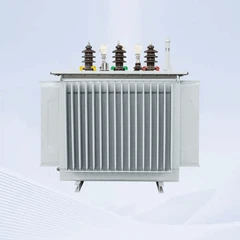




What is the temperature rise of a 75 kva dry type transformer?
Jul 10, 2025
Leave a message
As a provider of 75 kVA dry type transformers, understanding the temperature rise of these crucial electrical devices is of utmost importance. Temperature rise not only affects the performance and lifespan of the transformer but also has significant implications for safety and energy efficiency. In this blog post, we'll delve into the factors that contribute to the temperature rise of a 75 kVA dry type transformer, how it is measured, and its significance in practical applications.
What Causes Temperature Rise in a 75 kVA Dry Type Transformer?
A dry type transformer, as the name suggests, does not use a liquid coolant like oil. Instead, it relies on air circulation to dissipate heat. The temperature rise in a 75 kVA dry type transformer is primarily caused by two types of losses: copper losses and iron losses.
Copper Losses (I²R Losses): These losses occur in the transformer windings due to the resistance of the copper conductors. When current flows through the windings, the resistance causes power to be dissipated as heat. The amount of copper loss is proportional to the square of the current (I²) flowing through the windings and the resistance (R) of the conductors. As the load on the transformer increases, the current flowing through the windings also increases, resulting in higher copper losses and a corresponding increase in temperature.
Iron Losses (Core Losses): Iron losses occur in the transformer core, which is typically made of laminated silicon steel. These losses are further divided into two components: hysteresis losses and eddy current losses. Hysteresis losses are caused by the repeated magnetization and demagnetization of the core material as the alternating current changes direction. Eddy current losses are caused by the circulation of induced currents (eddy currents) in the core material. These losses are dependent on the frequency of the alternating current and the properties of the core material.
Measuring Temperature Rise
The temperature rise of a 75 kVA dry type transformer is typically measured using temperature sensors placed at various locations within the transformer. These sensors can be thermocouples or resistance temperature detectors (RTDs). The temperature rise is defined as the difference between the maximum temperature measured in the transformer and the ambient temperature.
In most cases, the temperature rise is measured under full - load conditions. The transformer is operated at its rated capacity for a sufficient period of time to allow the temperature to stabilize. The ambient temperature is measured at a location near the transformer, away from any sources of heat or cold.
Significance of Temperature Rise
The temperature rise of a 75 kVA dry type transformer has several important implications:
Performance and Lifespan: Excessive temperature rise can significantly reduce the performance and lifespan of the transformer. High temperatures can cause the insulation materials in the windings and core to degrade over time. This degradation can lead to increased electrical resistance, reduced efficiency, and eventually, insulation failure. A transformer that operates at a lower temperature rise is likely to have a longer lifespan and better performance.
Safety: High temperatures can pose a safety risk. If the temperature of the transformer exceeds the maximum allowable limit, it can cause overheating, which may lead to a fire or other safety hazards. Therefore, it is crucial to ensure that the temperature rise of the transformer is within the acceptable range.
Energy Efficiency: Temperature rise is directly related to energy losses in the transformer. Higher temperature rises indicate higher losses, which means more energy is being wasted as heat. By minimizing the temperature rise, we can improve the energy efficiency of the transformer, resulting in lower operating costs.
Factors Affecting Temperature Rise
Several factors can affect the temperature rise of a 75 kVA dry type transformer:
Load Level: As mentioned earlier, the load on the transformer has a significant impact on the temperature rise. Higher loads result in higher copper losses and, consequently, a higher temperature rise. It is important to ensure that the transformer is not overloaded to prevent excessive temperature rise.
Ambient Temperature: The ambient temperature around the transformer also affects the temperature rise. In hot environments, the transformer has to dissipate heat into a warmer surrounding, which can make it more difficult to maintain a low temperature rise. Adequate ventilation and cooling measures may be required in high - ambient - temperature conditions.
Ventilation and Cooling: Proper ventilation is essential for dissipating heat from the transformer. A well - ventilated transformer enclosure allows for better air circulation, which helps to keep the temperature rise in check. Some dry type transformers are equipped with fans to enhance the cooling effect.
Industry Standards for Temperature Rise
There are industry standards that specify the maximum allowable temperature rise for dry type transformers. For example, according to the International Electrotechnical Commission (IEC) standards, the maximum temperature rise for a dry type transformer under continuous full - load operation is typically limited to a certain value. These standards ensure the safety and reliability of the transformers in various applications.


Our 75 kVA Dry Type Transformer Offerings
As a leading provider of 75 kVA dry type transformers, we offer a range of high - quality products that are designed to meet the most demanding requirements. Our transformers are engineered to minimize temperature rise, ensuring long - term performance and reliability.
We also offer a variety of related products, such as the Three Phase Dry Type Transformer, which provides efficient power conversion for three - phase electrical systems. The 100kVA Non - excited Voltage Regulating Distribution Transformer is another product in our portfolio, offering voltage regulation capabilities for distribution networks. And our SCB Series Dry Type Power Transformer is known for its high efficiency and excellent thermal performance.
Contact Us for Your Transformer Needs
If you are in the market for a 75 kVA dry type transformer or any of our other transformer products, we invite you to contact us. Our team of experts can provide you with detailed information about our products, including technical specifications, pricing, and installation requirements. We are committed to providing you with the best - in - class transformers that meet your specific needs and budget. Whether you are a small business or a large industrial enterprise, we have the right solution for you. Reach out to us today to start the procurement and negotiation process.
References
- International Electrotechnical Commission (IEC) standards on dry type transformers.
- Electrical Power Systems textbooks for general knowledge on transformer losses and temperature rise.
Send Inquiry