

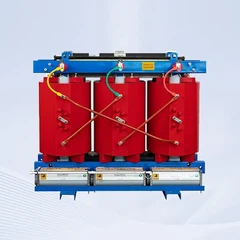
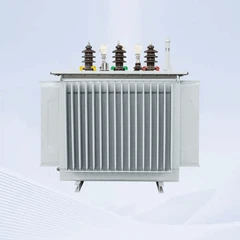




3 Phase 200 kVA Oil-Cooled Copper Wound Distribution Transformer
Nov 20, 2025
Leave a message

Price: Rs 4,80,000 / Piece Get Latest Price
Product Details:
| Power | 200 kVA |
| Material | GI Steel |
| Number of Phase | 3-Phase |
| Power Rating | 200kVA |
| Voltage Ratio | 11kV/433V |
| Cooling Type | ONAN |
| Brand | HENAN GNEE ELECTRIC CO., LTD. |
| Winding Material | Copper |
| Dimension | 780*690*870 mm |
| Standards | IS-2026 |
| Frequency | 50 Hz |
| Weight | 875 Kg |
| Insulation Class | Class A |
| Vector Group | Dyn5 / Dyn11 |
| Impedance | 4.5% |
Standard IS-1180 and IEC 60076 also available.
Primary Voltage 6.6, 15, 20, 33 kV also available.
Secondary Voltage 415 V and 440 V also available.
Success Case
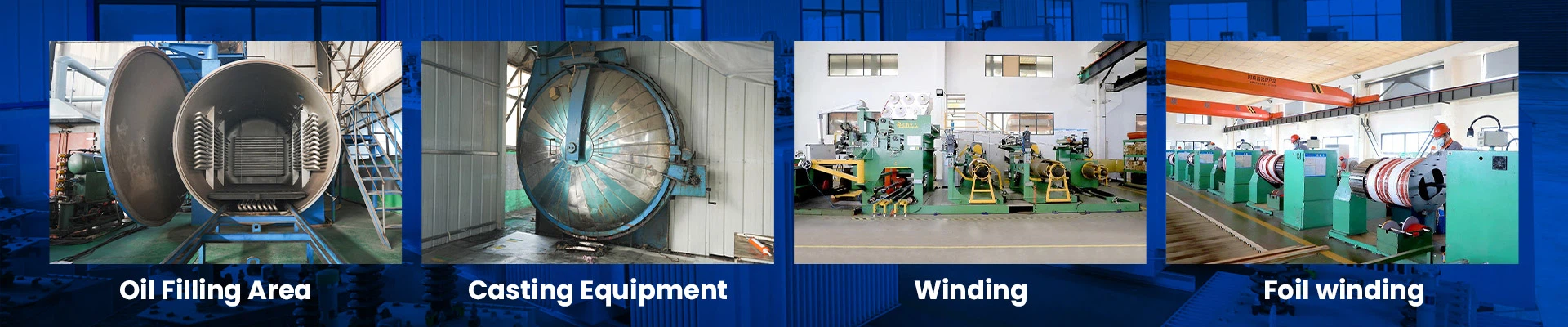
HENAN GNEE ELECTRIC CO., LTD. ensure each one of our delivered transformers had passed the full acceptance test and we remains 0 fault rate record for more than 10 years so far, our oil immersed power transformer is designed in accordance with IEC, ANSI and other major international standards.


The final transformer in the Power distribution system that steps down the voltage to the voltage level usable at our homes/offices is called Distribution Transformer.
HENAN GNEE ELECTRIC CO., LTD. are manufactured using qualitative material and tested on various parameters for efficient working life. This energy-efficient and durable Transformers are capable of withstanding extreme voltage supply.
Our transformers are in accordance with internationally recognized standards and come with industry leading guarantees for complete peace of mind.
Features:
High Energy Efficiency
Longer service life
Resistance against corrosion
Fine-finish
High reliability
Competitive Price
A 3 Phase 200 kVA Oil-Cooled Copper Wound Distribution Transformer is primarily distinguished by its superior performance, durability, and higher efficiency compared to its aluminium-wound counterpart, though it comes at a higher initial cost.
Advantages of a Copper Wound Transformer
The use of copper provides several technical and operational advantages:
- Higher Electrical Conductivity: Copper has significantly higher electrical conductivity than aluminium (around twice as much). This inherent property leads to lower energy losses and higher efficiency, which results in lower long-term operating costs and better energy performance.
- Superior Mechanical Strength: Copper is much stronger and more durable than aluminium. This strength allows the windings to better withstand the substantial mechanical stresses caused by short-circuit fault currents, reducing the risk of winding deformation and extending the transformer's life.
- Better Heat Dissipation: Copper has a higher thermal conductivity, which aids in more efficient heat transfer to the surrounding oil, further enhancing the effectiveness of the oil cooling system and reducing the risk of overheating.
- Lower Thermal Expansion: Copper has a lower coefficient of thermal expansion compared to aluminium, which reduces mechanical stress on the coil insulation and connections during heating and cooling cycles, improving long-term reliability.
- Corrosion Resistance and Reliable Connections: Copper is more resistant to corrosion than aluminium, especially in harsh environments. Connections to copper are also easier and more reliable, as they do not require special connectors or the periodic inspection and tightening that aluminium connections might need due to cold flow (creep).
Comparison: Copper vs. Aluminium Wound Transformers
The choice between the two materials involves a trade-off between initial investment and long-term performance and cost of ownership.
|
Feature |
Copper Wound |
Aluminium Wound |
|---|---|---|
| Initial Cost | Higher | Lower |
| Electrical Conductivity | Superior | Lower (approx. 62% of copper) |
| Efficiency & Energy Losses | Higher efficiency, lower losses | Lower efficiency, higher losses |
| Mechanical Strength | Superior (better short-circuit withstand capability) | Weaker and more brittle |
| Weight | Heavier | Lighter |
| Reliability/Longevity | Generally longer lifespan | Shorter lifespan, more prone to connection issues |
| Size | Smaller for the same kVA rating/efficiency class | Physically larger to compensate for lower conductivity |
| Total Ownership Cost (TOC) | Often lower over the entire operational life due to energy savings | Generally higher over the entire operational life due to energy losses |
In summary, for a 200 kVA distribution transformer, copper windings offer a more robust, reliable, and energy-efficient solution, providing better long-term value through reduced operational costs and increased durability, while aluminium windings are the choice for applications where the primary consideration is lower initial purchase price and lighter weight.
Send Inquiry