







30 kVA Dry Type Transformer: Maintenance Costs vs. Replacement Costs – Which Is More Economical?
Jan 27, 2026
Leave a message
For facility managers and plant engineers, the decision to continuously maintain aging equipment or invest in a new unit is a critical financial calculation. When it comes to a workhorse like a 30 kVA dry type transformer, understanding the total cost of ownership is key. Is pouring money into an old transformer a wise, economical choice, or is replacement the smarter long-term investment?
This analysis breaks down the real costs behind both paths to help you make a data-driven decision for your operational and financial health.
Who We Are: Your Partner in Power Asset Management
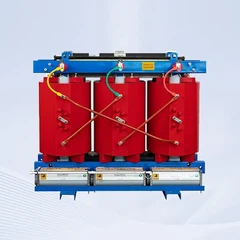
GNEE is a leading manufacturer of dry-type transformers, providing not just products but comprehensive lifecycle support. We help clients like you navigate these exact decisions every day. With our expertise, we can provide transparent insights into the performance, maintenance costs, and replacement economics of your 30 kVA dry type transformer, ensuring you choose the most cost-effective path forward.
Breaking Down the Recurring Costs of Transformer Maintenance
Regular maintenance is essential for safety and reliability, but its costs accumulate. For a 30 kVA dry type transformer, typical maintenance includes:
- Routine Inspections: Visual checks for dust, debris, and loose connections.
- Thermographic Imaging: Periodic infrared scans to identify hot spots, which incur service fees.
- Cleaning: Professional cleaning of windings and cooling ducts to prevent overheating.
- Testing: Regular dielectric tests, insulation resistance (megger) tests, and winding resistance tests.
Beyond the direct service costs, factor in downtime costs. Each maintenance window halts production. More critically, as transformers age, the frequency and severity of issues-like failing cooling fans or degrading insulation-increase, leading to higher annual maintenance expenses and greater risk of unplanned outage.
The Hidden Costs of Keeping an Aging Transformer in Service
The true cost of an old unit often goes beyond the maintenance invoice. An aging 30 kVA dry type transformer suffers from reduced efficiency. Over decades, insulation degradation and increased resistance lead to higher no-load and load losses. This means it draws more power from the grid to deliver the same output, resulting in significantly higher, ongoing energy costs.
Furthermore, outdated technology may not meet modern energy efficiency standards (like DOE 2016 or IEC 60076-20), representing wasted utility spend. The risk of a catastrophic failure also grows, potentially causing damage to downstream equipment and resulting in costly emergency repairs or replacement anyway.
Calculating the Total Investment in a New 30 kVA Transformer
The replacement cost is more than just the price of the new unit. The total investment includes:
- Purchase Price of the new 30 kVA dry type transformer.
- Installation Costs: Labor, potential electrical modifications, and disposal of the old unit.
- Potential Infrastructure Updates: May require new cabling or fittings.
However, this investment buys you substantial value.
A modern GNEE transformer offers:
- Higher Efficiency: Drastically lower losses, cutting your energy bill from day one.
- Zero to Low Maintenance: New units require minimal upkeep for the first 10-15 years.
- Improved Reliability & Warranty: New technology and a full manufacturer's warranty reduce risk.
- Advanced Features: Built-in thermal protection and monitoring capabilities.
The Decision Framework: When to Maintain vs. When to Replace
So, which is more economical? Use this simple framework:
- Choose Maintenance IF: The transformer is < 15 years old, has a good service history, operates well below capacity, and passes all tests. The maintenance costs are predictable and low.
- Consider Replacement IF: The transformer is > 20 years old, requires frequent/expensive repairs, operates inefficiently (high temperature, hum), or your energy costs have risen. The payback period for a new, efficient model is attractive (often 3-8 years).
How GNEE Helps You Model the Economics and Execute
GNEE simplifies this complex decision. We provide detailed efficiency data (loss values) for our transformers so you can model annual energy savings. Our team can help you calculate a simple Return on Investment (ROI) and payback period based on your local electricity rates and operating hours.
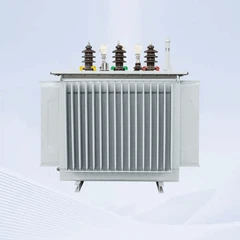
We make replacement seamless, offering units that are often direct physical replacements and supporting you from decommissioning to startup. Explore our reliable 30 kVA distribution transformers designed for long-life and low TCO (Total Cost of Ownership).
GNEE 30 kVA Dry Type Transformer: Key Parameters Affecting Lifecycle Cost
| Parameter | GNEE New Model Specification |
|---|---|
| Rated Capacity | 30 kVA |
| Efficiency Class | IE3 (Premium Efficiency) |
| No-Load Loss (P0) | Very Low (< 150W) |
| Load Loss (Pk) | Optimized Design |
| Insulation Class | Class H (180°C) |
| Winding Material | High-Conductivity Copper |
| Temperature Rise | 80K (Standard) |
| Protection Degree | IP20 (Indoor) / IP23 (Outdoor) |
| Standard Warranty | 5 Years |
| Optional Monitoring |
Integrated PT100 Sensors |
Conclusion: Invest in Long-Term Value, Not Short-Term Fixes
While regular maintenance is crucial, there comes a point where investing in a new 30 kVA dry type transformer is the more economically sound decision. The combined savings from drastically reduced energy bills, near-zero maintenance, and eliminated failure risk typically outweigh the upfront investment.
Let GNEE help you crunch the numbers. Contact us today for a free, no-obligation Lifecycle Cost-Benefit Analysis for your specific operation and discover how upgrading to an efficient GNEE transformer can boost your bottom line.
Send Inquiry