





What Factors Affect the Price of a 50kVA Oil Immersed Transformer?
Jan 30, 2026
Leave a message
Are you evaluating quotes for a 50kVA oil immersed transformer and finding significant price differences?
Understanding the variables behind the cost is essential for making a smart investment.
As a leading transformer manufacturer with over two decades of experience, GNEE believes in transparent pricing.
We are not just a factory:we are your technical partner, committed to explaining how material quality, design choices, and specifications directly impact the final price of your 50kVA oil immersed transformer.
This guide will empower you to compare quotes intelligently and select a transformer that offers true long-term value.
Core Factor 1: Raw Material Quality and Costs
The price of a transformer is fundamentally tied to the cost and quality of its core components. Fluctuations in global commodity markets have a direct and immediate impact.
- Electrical Steel (Core Steel): This is the heart of the transformer. High-grade, low-loss cold-rolled grain-oriented (CRGO) silicon steel is significantly more expensive than lower-grade alternatives. Thinner gauges and better magnetic properties reduce core losses (no-load losses) but increase material cost.
- Copper vs. Aluminum Windings: Copper windings offer superior conductivity, better mechanical strength, and higher efficiency (lower load losses) but come at a premium price. Aluminum windings reduce initial cost but result in a larger, slightly less efficient transformer. The choice dramatically affects both performance and price.
- Insulating Oil: Standard mineral oil is cost-effective. Upgrading to high-performance synthetic ester oil (better fire safety, higher moisture tolerance, biodegradable) or naphthenic oil can add 20-40% to the fluid cost alone.
- Tank and Structural Steel: The quality, thickness, and corrosion protection (e.g., standard paint vs. multi-layer heavy-duty coating) of the enclosure affect durability and price.

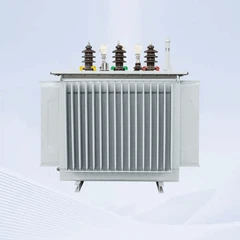
Premium raw materials like aluminum and copper directly influence transformer efficiency, lifespan, and cost.
Core Factor 2: Design Specifications and Efficiency Class
The required technical performance is a major price driver. A "standard" 50kVA transformer and a "high-efficiency" 50kVA transformer are fundamentally different products.
- Efficiency Level: Transformers are classified by efficiency (e.g., IE1, IE2, IE3 per IEC 60076-20). Achieving a higher efficiency class (like IE3 or IE4) requires more and better materials (e.g., more copper, superior core steel) to reduce losses, which increases manufacturing cost but saves substantially on electricity bills over its lifetime.
- No-Load and Load Losses: The contractually guaranteed maximum loss values are critical. Specifying lower loss values forces the manufacturer to use more expensive design and material approaches.
- Impedance Voltage: Custom impedance values outside the standard range may require special design adjustments.
- Cooling Method: A standard ONAN (Oil Natural Air Natural) design is most common. Adding ONAF (Oil Natural Air Forced) fans for increased capacity adds cost.
Core Factor 3: Customization and Special Requirements
Off-the-shelf units are priced for volume. Customization to meet specific project needs inherently increases engineering and production costs.
- Voltage Combinations & Tappings: Non-standard primary/secondary voltages (e.g., 6.6kV/480V) or requiring an on-load tap changer (OLTC) instead of off-load taps adds complexity and cost.
- Special Environmental Protections: Enclosures rated above IP55 for dust and water ingress, corrosion-resistant coatings for coastal areas, or special paints for chemical environments add expense.
- Accessories and Monitoring: Basic units include minimal accessories. Adding items like digital temperature controllers, remote monitoring modules, surge arresters, protective relays, or advanced Buchholz relays increases the price.
- Certifications and Testing: Compliance with specific standards (IEEE, ANSI, CSA, GOST) beyond standard IEC requirements, or demanding additional routine tests (like temperature rise test) or type tests, involves more time and cost.

Each added feature or customization-from bushings to monitoring systems-contributes to the final price of your transformer.
Core Factor 4: Manufacturing Standards, Brand, and Service
The "maker" of the transformer significantly influences its price through reputation, quality systems, and service offerings.
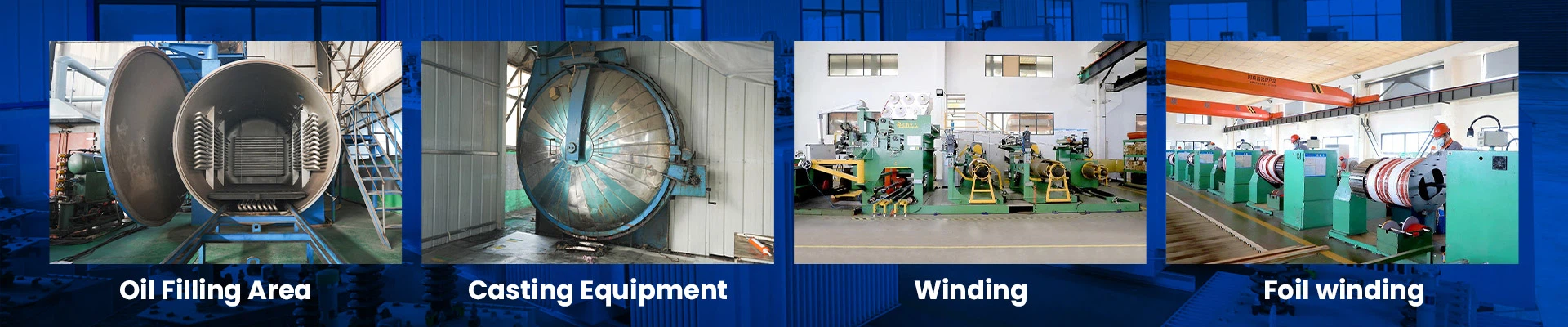
- Manufacturing Quality & Process: Automated, precision winding machines, vacuum pressure impregnation (VPI) systems, and rigorous quality control protocols ensure reliability but require significant capital investment, reflected in the price.
- Brand Value & Experience: Established manufacturers like GNEE command a fair premium based on proven field performance, technical expertise, and reliability, reducing long-term project risk.
- Warranty and After-Sales Support: Comprehensive warranty terms (e.g., 5 years vs. 2 years) and accessible global technical support are valuable services built into the product's price.
- Supply Chain and Logistics: A manufacturer's ability to source materials stably and manage export logistics efficiently can affect cost, especially during volatile market periods.
Price Breakdown Table: What You're Paying For
The table below illustrates how different specifications for a 50kVA transformer can shift the cost allocation. (Note: Percentages are illustrative).
| Cost Component | Standard 50kVA Transformer (IE1, Aluminum Windings) | High-Efficiency 50kVA Transformer (IE3, Copper Windings) | Premium/Custom 50kVA Transformer (IE3, Copper, Special Protections) |
|---|---|---|---|
| Core & Windings (Materials) | ~50% | ~60-65% | ~55-60% |
| Tank & Cooling | ~20% | ~15% | ~20% (due to enhanced cooling/coating) |
| Insulating Oil & Bushings | ~10% | ~10% | ~10% (premium oil adds cost) |
| Accessories & Controls | ~10% (Basic) | ~5% (Basic) | ~15% (Advanced monitoring) |
| Labor & Manufacturing Overhead | ~10% | ~10% | ~10% |
| Key Cost Drivers | Commodity material prices, basic design. | High-grade CRGO steel, copper conductor. | Custom engineering, special protections, premium accessories. |
| Long-Term Value | Lower CAPEX, higher operational losses (OPEX). | Higher CAPEX, significantly lower OPEX (saves on electricity). | Highest CAPEX, optimized for specific harsh conditions, lowest risk. |
Contact GNEE for a detailed cost-benefit analysis comparing standard vs. high-efficiency models for your operational profile.
Market Factors and Smart Procurement Tips
External economic factors also play a role. Here's how to navigate them:
- Commodity Price Volatility: Copper and steel prices can fluctuate weekly. A quote's validity period is crucial.
- Order Quantity: Single-unit pricing is higher than bulk order pricing.
- Shipping and Incoterms: FOB China port price is very different from CIF your destination port or DDP site delivery. Always compare the same delivery terms.
- Smart Procurement Tip: Request a detailed technical offer specifying guaranteed loss values (no-load & load losses), efficiency class, material specifications (copper/aluminum, CRGO grade), and a complete list of included accessories. This allows for a true apples-to-apples comparison.
Conclusion: Invest in Knowledge, Then Invest in Your Transformer
The price of a 50kVA oil immersed transformer is a complex equation of materials, design, customization, and market forces. The cheapest option often carries hidden long-term costs through higher energy consumption and shorter service life.
Understanding these factors empowers you to move beyond price-tag shopping to value-based procurement. Partner with a manufacturer who provides clarity and prioritizes your long-term operational success.
Ready to receive a transparent, detailed quote for a reliable 50kVA oil immersed transformer? Contact GNEE today. Provide us with your specifications, and we will deliver a comprehensive proposal that clearly breaks down cost drivers and helps you make the most informed investment for your project's power needs.
Send Inquiry