







Case Study: Installation and Energy-Efficiency Optimisation of a 75kVA Oil-Immersed Transformer in a Solar Power Plant
Jan 30, 2026
Leave a message
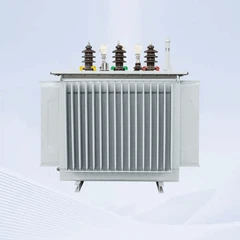
In distributed photovoltaic projects, the installation and energy-efficiency optimisation of a 75kVA oil-immersed transformer plays a critical role in ensuring stable grid connection, reducing power losses and maximising solar energy utilisation. This case study analyses how a 75kVA oil-immersed transformer was applied in a solar power plant to achieve long-term operational stability and improved energy efficiency.

1. Project Background
This case involves a grid-connected solar power plant located in a high-irradiance rural area. The project required a 75kVA oil-immersed transformer to step up inverter output voltage and ensure smooth integration with the local distribution network.
Key project requirements:
- Stable voltage regulation under fluctuating solar output.
- High energy efficiency to reduce transmission losses.
- Outdoor installation with high ambient temperature.
- Long service life and low maintenance.
2. Installation Design
Correct installation is essential for maximising the performance of the transformer in solar applications. Installation highlights:
- Outdoor concrete foundation with anti-vibration pads.
- ONAN cooling to ensure effective heat dissipation.
- Proper grounding and lightning protection.
- Adequate ventilation clearance around the transformer.
These measures ensured safe operation even during peak solar generation periods.

3. Energy-Efficiency Optimisation
The transformer was selected with low no-load loss and an optimised winding design:
- Transformer capacity matched to inverter output.
- Low-loss silicon steel core.
- Optimised copper windings to reduce load loss.
- High-quality insulating oil to improve thermal stability.
As a result, overall system efficiency improved and unnecessary energy dissipation was minimised.
4. Performance Results (Qualitative)
After commissioning, the transformer demonstrated stable and efficient operation under variable solar conditions. Observed benefits: stable voltage output despite fluctuating solar input; reduced transformer temperature rise; lower annual energy losses; improved grid compatibility and reliability. The transformer operated reliably throughout seasonal load variations.
5. Technical Parameters
| Parameter | Specification |
|---|---|
| Rated capacity | 75 kVA |
| Transformer type | Oil-immersed distribution transformer |
| Cooling method | ONAN |
| Rated primary voltage | 0.4 / 0.48 kV (inverter side) |
| Rated secondary voltage | 10 / 11 kV (grid side) |
| Frequency | 50 / 60 Hz |
| Phase | Three-phase |
| Insulation class | Class A |
| Vector group | Dyn11 |
| Standards | IEC / ANSI / GB |
| Installation / application |
Outdoor / solar power plant |
6. Conclusion
This case study shows that proper installation and energy-efficiency optimisation of a 75kVA oil-immersed transformer are essential for stable, efficient and reliable solar power plant operation. Through careful capacity matching, low-loss design and professional installation, the transformer significantly improved system performance and grid stability.
As a trusted manufacturer, GNEE offers customized 75kVA oil-immersed transformer solutions for solar power plants worldwide.
👉 Contact GNEE now to optimize your renewable energy project with professional transformer support.

Send Inquiry