


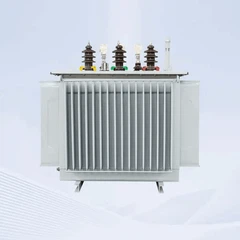
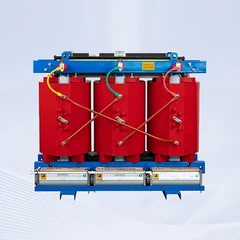





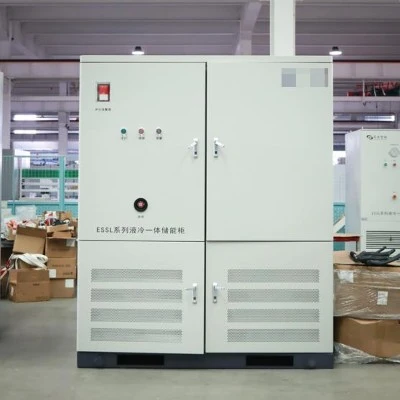


Reducing Costs When Purchasing a 75 kVA Oil-Immersed Transformer
Jan 30, 2026
Leave a message
Why the Initial Price Is Not the Real Cost
In industrial and commercial power systems, a 75 kVA oil-immersed transformer is often a crucial piece of equipment. However, purchasing one is not just about the upfront price. Many businesses face unexpected costs down the line, from maintenance expenses to inefficiencies that drive up energy bills. To make a truly cost-effective purchase, it is essential to look beyond the initial price tag and consider the Total Cost of Ownership, or TCO.
Understanding the TCO Model
The TCO model takes into account all the costs associated with owning and operating a 75 kVA oil-immersed transformer over its entire lifespan. Initial purchase price is the obvious cost, the amount paid to acquire the transformer, but it is just the starting point; different manufacturers may offer different prices based on quality, features, and efficiency ratings. Installation costs include labor, any necessary infrastructure modifications, and the cost of connecting the transformer to the power system. Energy costs are determined by efficiency: a more efficient transformer consumes less electricity over time, and the core material and winding design play a large role. Maintenance and repair costs include oil testing, inspections, and component replacements, and a well-built transformer requires less frequent and less costly maintenance. Downtime costs arise when breakdowns cause production losses in industrial settings or inconvenience in commercial ones.
Strategies to Reduce Costs
Compare multiple suppliers: do not settle for the first quote; compare offerings on energy efficiency ratings, maintenance schedules, and warranty terms. Opt for energy-efficient models: a transformer with higher efficiency may have a slightly higher upfront cost, but long-term energy savings more than make up for it. Negotiate installation and maintenance packages: some manufacturers offer discounted rates when these services are bundled. Consider the warranty: a longer, more comprehensive warranty reduces potential repair costs and provides peace of mind.
Technical Parameters of the 75 kVA Unit
| Parameter | Description |
|---|---|
| Rated power | 75 kVA |
| Voltage ratio | Varies by application, e.g., 10 kV / 0.4 kV |
| Frequency | 50 Hz or 60 Hz |
| Insulation class | Typically Class A or Class F |
| Cooling method | ONAN oil-immersed self-cooling |
Long-Term Value Perspective
A low-priced transformer with poor efficiency or frequent failures becomes the most expensive option over its life. Buyers should request loss values, efficiency certificates, and maintenance documentation from every supplier and compare the projected energy cost over a 15 to 20 year operating horizon, since energy losses typically dominate the lifecycle cost of a continuously loaded distribution transformer.
Frequently Asked Questions
Q: What is the Total Cost of Ownership of a transformer?
A: TCO includes purchase price, installation, energy losses over life, maintenance, repair, and downtime costs.
Q: Why is a cheap transformer often more expensive?
A: Higher no-load and load losses raise the electricity bill for years, and weaker construction increases maintenance and downtime costs.
Q: How much does a 75 kVA transformer cost to operate?
A> The operating cost is dominated by no-load loss running continuously plus load loss proportional to the square of the load current.
Q: What is the most important parameter for cost?
A: Efficiency, because energy losses accumulate over the entire service life and usually exceed the purchase price.
Q: What should be compared between suppliers?
A: Efficiency ratings, loss values, maintenance schedules, warranty terms, and installation support.
Q: How long is the typical service life?
A: A well-built oil-immersed transformer serves 20 to 30 years with proper maintenance and oil management.
For a 75 kVA oil-immersed transformer quotation with loss values and certification, contact our sales team.
Send Inquiry