


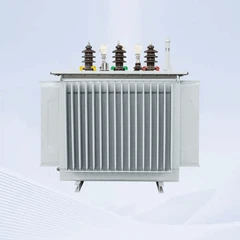
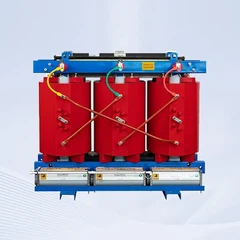





Are dry type transformers better?
Jan 09, 2026
Leave a message
A dry type transformer is defined as a transformer that uses air or gas-instead of liquid-as the insulating and cooling medium for its windings and core, all contained within a pressurized sealed tank.
Dry type transformers are widely used in various industries and applications because of their safety, reliability, and environmental benefits. They can operate in harsh conditions such as high humidity, fire risk, and seismic events without compromising their performance or posing any hazard to people or property.

This article explains when dry type transformers are better, why they are widely used, and how to make the right choice for your project.
Key Advantages of Dry Type Transformers
1. Higher Fire Safety
One of the strongest arguments for dry type transformers is fire protection.
- No flammable insulating oil
- Self-extinguishing or non-combustible insulation
- Low smoke emission in fault conditions
For buildings such as hospitals, data centers, airports, and high-rise offices, fire safety regulations often require dry type transformers.

2. Environmentally Friendly Design
Dry type transformers are considered a clean and eco-friendly solution:
No oil leakage or soil contamination risk
No oil handling, filtering, or disposal
Lower environmental liability
As environmental regulations tighten globally, dry transformers help projects meet ESG and sustainability goals.
3. Lower Maintenance Requirements
Compared with oil-filled transformers, dry type units require:
- No oil testing or replacement
- Minimal routine inspection
- Reduced downtime and labor cost
Over the transformer's lifetime, this results in lower total cost of ownership, especially in installations where maintenance access is limited.

4. Ideal for Indoor and Urban Installations
Dry type transformers are compact and can be installed:
Inside buildings
Close to the load
In basements or underground substations
This reduces cable losses and improves system efficiency. For urban power distribution, dry transformers are often the preferred choice.
5. Strong Mechanical and Electrical Performance
Modern dry type transformers, especially cast resin types, offer:
- High short-circuit withstand capability
- Excellent resistance to vibration and seismic activity
- Stable performance in humid or polluted environments
This makes them suitable for industrial plants, transportation systems, and coastal areas.
Are Dry Type Transformers Always Better?
Not always. Oil-filled transformers still have advantages in certain scenarios.
Where Oil-Filled Transformers Perform Better
- Very high power ratings (typically above 20–30 MVA)
- Outdoor substations with good fire separation
- Applications requiring maximum overload capability
- Lower initial capital cost projects
The key is matching the transformer type to the application, not choosing based on one parameter alone.
Dry Type vs Oil-Filled Transformers: Quick Comparison
| Feature | Dry Type Transformer | Oil-Filled Transformer |
|---|---|---|
| Fire Risk | Very low | Higher |
| Environmental Impact | Minimal | Oil spill risk |
| Maintenance | Low | Moderate to high |
| Indoor Installation | Excellent | Limited |
| Initial Cost | Higher | Lower |
| Lifecycle Cost | Lower | Higher |
When Are Dry Type Transformers the Better Choice?
Dry type transformers are better when:
✔ The transformer is installed indoors
✔ Fire safety is a top priority
✔ Environmental regulations are strict
✔ Maintenance access is limited
✔ Long-term reliability is required
These conditions explain why dry type transformers dominate in:
- Commercial buildings
- Data centers
- Hospitals
- Metro and rail systems
- Industrial facilities with safety constraints
Worried about high later maintenance costs of dry-type transformers?
Submit your operating environment (normal/harsh) to get a free full-lifecycle maintenance plan with maintenance cycles and cost estimates for transparent cost control!
What are the advantages of a dry type transformer?
since dry type power transformers do not use harmful liquids or fluids to function, they do not release harmful gases into the environment. Also, they have no flammable fluid, so low risk of exploding or catching fire. Because of this, dry transformers are the most preferred for indoor use due to their reliability.
What are the disadvantages of dry transformers?
Dry-type transformer also has some disadvantages , mainly including high price, generally can only be installed in the indoor, poor moisture and dust resistance, loud noise, and relatively poor tolerance in harsh environments.
Which is better, an oil type or dry type transformer?
Oil-immersed transformers have several advantages over dry-type transformers. Firstly, they are more efficient, as the oil helps to dissipate heat and reduces energy losses. Secondly, they can operate at higher temperatures, which makes them suitable for high-temperature applications.
When to use a dry type transformer?
Great for indoor use: Dry-type transformers are popular for indoor use due to their safety and low fire risk. Ideal for medium and low-voltage sites: Dry transformers are a good choice for medium and low-voltage sites
Send Inquiry