







How to Clean Your Dry-Type Transformer
Jan 09, 2026
Leave a message
Over time, dirt and dust can accumulate inside your dry-type transformer. Periodically removing this dirt is necessary to keep your transformers running properly.

If left unchecked, this buildup can:
- Restrict airflow
- Raise operating temperatures
- Increase the risk of insulation failure.
A routine cleaning and inspection schedule is one of the simplest ways to extend the life of your transformer.
Why Dry-Type Transformer Cleaning Matters
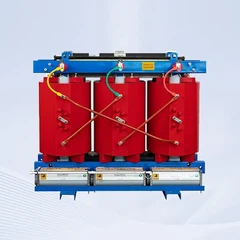
Dry-type transformers rely on air cooling and solid insulation (e.g., epoxy resin) to operate safely. Unlike oil-immersed transformers, their internal components are more exposed to environmental contaminants. Here's why regular cleaning is non-negotiable:
- Prevents overheating: Dust buildup on windings and cooling fins reduces heat dissipation, leading to increased core losses and potential thermal damage.
- Protects insulation: Debris (especially conductive particles) can compromise insulation resistance, raising the risk of short circuits or breakdowns.
- Extends service life: Clean transformers experience less wear and tear, reducing the need for premature repairs or replacements.
- Ensures compliance: Many industry standards (e.g., IEC 60076, GB/T 1094) require regular maintenance to meet safety and performance criteria.
Dry-Type Transformer Inspection and Cleaning Guidelines
Regularly inspect the transformer for signs of dust or debris accumulation. Conducting inspections at least once annually helps prevent overheating, arcing, or overvoltage tracking.
Ensure the transformer is de-energised before inspecting or cleaning the equipment.
During inspections, pay particular attention to:
- Live busbars, tap changers, and connection points: These exposed, non-insulated areas are prone to debris accumulation.
- Top and bottom of winding assemblies: Deposited dust often hides in the corners of the coils.
- Enclosure ventilation openings: Blockage here directly impacts cooling performance.
If insulation surfaces show signs of tracking or carbonisation, this indicates potential damage to the transformer – manifested as black scorch marks on the insulation layer.

If you see burn marks, immediately remove the unit from service. It should be inspected and tested before it is used again. It may need to be repaired or replaced.
How to Clean Transformer Windings
For a light cleaning, you can use a vacuum or compressed air to clear your transformer's windings of debris. Or, use both:
1. Vacuum Cleaning
First use a vacuum to remove loose dust from coil surfaces and crevices.
2. Low-Pressure Compressed Air
After vacuuming, a second pass with compressed air helps loosen any particles the vacuum didn't reach.
- Keep air pressure below 25 PSI to avoid damaging insulation or shifting conductors.
These two steps together provide a thorough dry cleaning without risking moisture intrusion.

Cleaning Insulating Surfaces and Connections
For components such as jumper leads, voltage adjustment taps, and various connection points:
- Use a dry, lint-free, non-abrasive cloth to wipe away any dust or debris.
- Avoid liquid cleaners entirely. Many solvents and detergents can degrade insulation materials or leave conductive residue.

Cleaning the Vent Filters
Some larger dry-type substations have removable vent filters to help maintain clean airflow. These filters should also be inspected and cleaned regularly.

To clean these filters:
- Remove the steel filter cover by loosening the retaining screws.
- Pull the filter out using the provided tabs.
- Wash the filter with mild soap and water.
- Allow it to dry completely before reinstalling.

How often should you clean your transformer?
If the transformer is installed in a relatively dust-free environment, an annual cleaning is enough. In a dusty environment, more frequent cleaning and inspection may be necessary.
Facing issues like excessive noise or decreased insulation resistance of dry-type transformers? Click to consult-GNEE technical team is available 24/7
How to clean a dry type transformer?
Maintenance While the Dry Type Transformer Is De-energized
First, clean any dust or dirt from the cooling fans and windings. Use either a vacuum or compressed air to avoid directly touching the components. Ideally, use both methods.
When performing maintenance on dry type transformers?
Dry-Type Transformer Maintenance Checklist
When you clean a transformer, be on the look out for rust on the clamps and core steel, carbonization or tracking on the windings and insulation, discoloration on surfaces that could be a sign of overheating, and loose connections.
What is the lifespan of a dry type transformer?
between 20 and 30 years
Dry-type Transformers: Typically last between 20 and 30 years. Power Transformers (oil-filled): These can last anywhere from 30 to 50 years, depending on the operating conditions and the frequency of maintenance.
Do dry type transformers have oil?
The most significant distinction between the two transformers is their cooling medium. Dry-type transformers employ air as a cooling medium, while oil-filled ones, as the name suggests, use oil.
Send Inquiry