





How Long Do Dry Type Transformers Last?
Jan 12, 2026
Leave a message
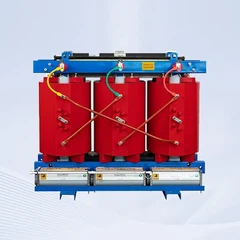
Dry type transformers are widely used in commercial buildings, industrial plants, renewable energy projects, and infrastructure applications due to their safety, low maintenance, and environmental friendliness.
Understanding transformer lifespan helps optimize investment decisions, reduce downtime, and ensure long-term power system reliability.

As a professional dry type transformer supplier, GNEE provides high-quality solutions designed for durability and stable performance. This article explains the typical service life of dry type transformers, the key factors that influence longevity, and how to extend their operational life.
Typical Lifespan of a Dry Type Transformer
Under normal operating conditions, a dry type transformer typically lasts 20–30 years. With proper design, installation, and maintenance, some units can operate reliably for more than 35 years.
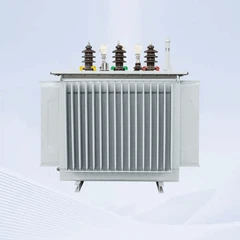
Compared with oil-immersed transformers, dry type transformers often have a slightly shorter nominal lifespan, mainly due to insulation aging. However, their lower fire risk, cleaner operation, and reduced maintenance costs make them an ideal choice for indoor and safety-critical environments.
Key Factors That Affect Dry Type Transformer Lifespan
1. Insulation Class and Thermal Design
 Insulation aging is the primary life-limiting factor of any transformer. Dry type transformers commonly use:
- Class F insulation (155°C)
- Class H insulation (180°C)
Higher insulation classes allow the transformer to withstand higher operating temperatures, significantly extending service life. A well-designed transformer with adequate cooling margins will age much more slowly.
Rule of thumb: Every 6–8°C increase above the rated temperature can reduce insulation life by nearly 50%.
2. Load Conditions and Overloading
Continuous operation within rated capacity ensures optimal lifespan. Frequent or long-term overloading accelerates insulation deterioration.
Occasional short-term overloads may be acceptable
Long-term overload operation significantly shortens transformer life
Choosing a properly sized dry type transformer-or allowing future expansion capacity-is essential for long-term reliability.
 3. Installation Environment
Although dry type transformers are oil-free, environmental conditions still matter:
- High humidity can degrade insulation
- Dust accumulation reduces cooling efficiency
- Poor ventilation leads to excessive heat buildup
Indoor installation with adequate airflow, clean surroundings, and stable ambient temperature can dramatically extend transformer service life.
4. Manufacturing Quality and Materials
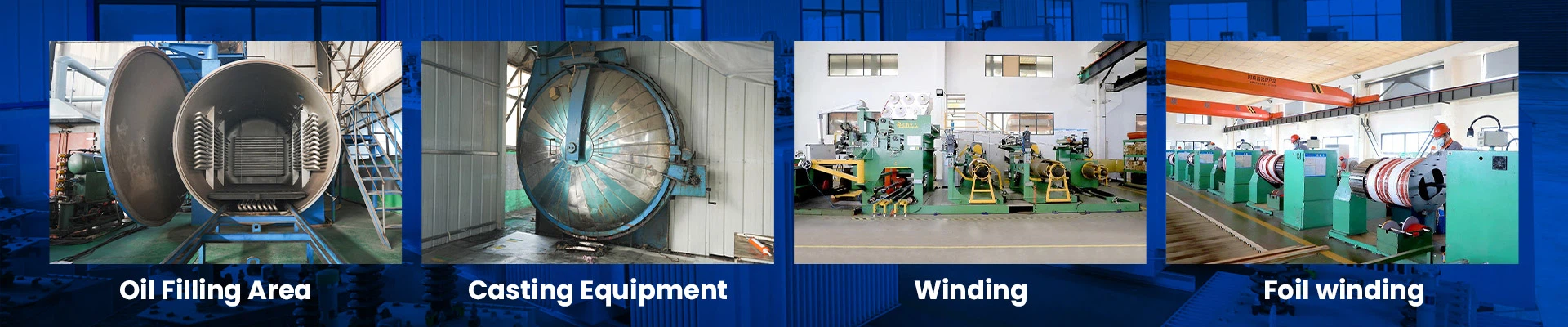
Not all dry type transformers are equal. Core materials, conductor quality, vacuum pressure impregnation (VPI) processes, and strict quality control all influence lifespan.
A reputable dry type transformer manufacturer like GNEE uses:
- Low-loss silicon steel cores
- High-purity copper or aluminum windings
- Advanced resin casting or VPI insulation systems
These features minimize losses, reduce heat, and slow aging.
Maintenance and Its Impact on Transformer Life
One of the major advantages of dry type transformers is low maintenance, but "low" does not mean "no maintenance".
Recommended maintenance practices include:
- Regular visual inspections
- Cleaning dust and debris from windings and ventilation paths
- Checking connections for overheating or looseness
- Monitoring operating temperature and noise levels
Proactive inspection helps detect problems early and can add 5–10 years to transformer service life.
Dry Type vs Oil-Immersed Transformer Lifespan
| Item | Dry Type Transformer | Oil-Immersed Transformer |
|---|---|---|
| Typical lifespan | 20–30 years | 25–40 years |
| Fire risk | Very low | Higher |
| Maintenance | Minimal | Oil testing & replacement |
| Environmental impact | Clean & eco-friendly | Oil leakage risk |
| Indoor use | Excellent | Limited |
While oil-immersed transformers may last longer in some cases, dry type transformers are often preferred where safety, indoor installation, and environmental compliance are critical.
How to Extend the Life of a Dry Type Transformer
To maximize transformer lifespan, consider the following best practices:
- Select the correct transformer rating and insulation class
- Avoid continuous overloading
- Ensure good ventilation and clean installation environment
- Perform routine inspections and cleaning
- Work with a trusted dry type transformer supplier
These measures help maintain stable performance and reduce total lifecycle cost.
 Why Choose GNEE Dry Type Transformers?
GNEE is an experienced dry type transformer manufacturer and exporter, offering customized solutions for global markets. Our transformers are designed according to IEC, ANSI, and GB standards, ensuring long service life, high efficiency, and operational safety.
We provide:
- Custom capacity and voltage design
- Strict quality inspection before delivery
- Technical support for installation and operation
- Competitive pricing with reliable lead times
Whether for industrial facilities, commercial buildings, or renewable energy systems, GNEE helps you build a safer and more reliable power infrastructure.
Conclusion
So, how long do dry type transformers last?
With proper design, quality manufacturing, and correct operation, a dry type transformer can reliably serve 20–30 years or more. Investing in the right transformer and working with a professional supplier is the key to long-term performance and cost efficiency.
If you are planning a project or looking to replace an existing unit, contact GNEE today for expert advice and a customized dry type transformer solution tailored to your needs.
Send Inquiry