









How to Perform Effective Maintenance on Dry-Type Transformers
Jan 12, 2026
Leave a message
Proper maintenance is crucial for delivering reliable power, maximizing operational efficiency and protecting your transformer investment. Routine inspections and regular upkeep extend equipment life while helping prevent unexpected downtime and costly replacements. Organizations implementing effective maintenance practices can expect transformer life spans to exceed 30 years.

Why Effective Transformer Maintenance Is Important
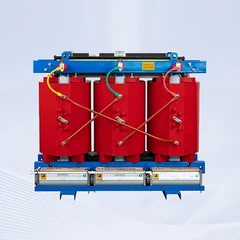
Dry type transformers are critical components in power distribution systems across various applications, from manufacturing plants and health care facilities to colleges and universities. While these units are known for high reliability and safety, their performance can degrade when exposed to environmental factors and operational stress.
A strategic maintenance program helps identify potential issues before they become more significant problems, ensuring high performance and increasing your return on investment.
Best Maintenance Practices for Dry Type Transformers
A comprehensive maintenance program starts with the proper operating conditions for your transformer. Adequate ventilation is crucial - the area around your unit must remain clear of obstructions that could impede airflow.
The frequency of maintenance checks should align with your facility's environmental conditions. Dusty environments may require inspections every three to six months, while clean, dry spaces may only need annual checks.
Follow these recommended maintenance steps to maintain optimal performance:
 Pre-maintenance safety: Always de-energize the transformer before performing any maintenance work. Additionally, be sure to perform lockout/tagout (LOTO) practices, which include a list of procedures needed to disable equipment properly. The maintenance crew should also wear electrical PPE, such as insulating gloves and sleeves, hard hats and flame-resistant clothing.
- Visual inspections: Check for dust accumulation and environmental contamination in and around the unit. Look for loose connections or corroded components indicating underlying problems.
- Cleaning and hardware checks: Use appropriate vacuum equipment or compressed air to remove dirt and contaminants, and remember to wear respiration and projectile PPE. Inspect and tighten all accessible hardware to prevent connection issues. Pay special attention to signs of discoloration on insulation or components that may signal overheating.
- Professional testing: If you notice discoloration, unusual operation, burning odors or other signs of electrical problems, contact a qualified professional to perform specialized tests like the Transformer Turns Ratio (TTR) test or dielectric absorption test (DAT). These diagnostic evaluations help assess the transformer's electrical integrity and insulation condition.
Why Trust GNEE Transformers?
GNEE offers unmatched expertise and support for your transformer needs. We provide various solutions, from stock and custom medium-voltage transformers to services like retrofitting and custom bus work. Our emergency replacement capabilities ensure you receive fast support when time is critical.
Our deep understanding of transformer design, operation and maintenance helps organizations maintain reliable power distribution while maximizing equipment longevity.
Contact Us Today to Learn More
If you want to learn more about transformer maintenance and upkeep, our experts can help. Contact GNEE today to discuss your transformer needs or request a quote. Our team is ready to help you develop a maintenance strategy that protects your investment and ensures peak performance.
Confused between epoxy resin and non-encapsulated dry-type transformers? Fill in your application scenario (data center/factory/construction), and we'll send a free scenario-adapted comparison table with 1-on-1 selection consultation!
|
Category |
Details |
|
Product Name |
Dry type transformer |
|
Place of Origin |
China |
|
Capacity |
≥10KVA |
|
Primary Voltage |
6-35KV |
|
Secondary Voltage |
120-450V |
|
Winding materials |
Copper/Aluminum |
Send Inquiry