







How to Maximize the Service Life of Dry-Type Transformers
Jan 12, 2026
Leave a message
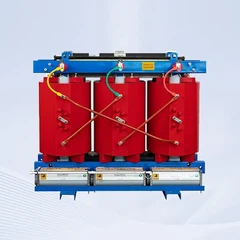
The quality of a dry type transformer can directly affect your facility's power reliability and efficiency for years down the road. High-quality units can provide reliable power for decades, while inferior systems may require premature replacement many years sooner. Informed decisions during the selection process and following recommended maintenance guidelines after installation can help maximize your unit's life span.

Select the Right Transformer for Your Applications
Maximizing the life span of your dry type transformer begins during the research stage before purchasing the transformer. It's critical to pick a transformer made from durable components that can handle the load and environment.
Understanding Transformer Longevity
The expected life span of a dry type transformer depends on several critical factors that begin long before installation, including:
Material quality: Premium-grade components - especially in the cores and windings - deliver better performance and resistance to degradation over time. High-quality materials also offer enhanced thermal properties that increase efficiency, even under demanding conditions.
Engineering and manufacturing: Precision in design and engineering directly influences a transformer's durability. Expert engineers consider factors like load requirements, environmental conditions and safety to create designs that withstand the test of time. Strict quality control and attention to detail during winding and assembly significantly impact long-term reliability.
Key Components of a Long-Lasting Transformer
Several primary elements affect a dry type transformer's life span, including:
Core construction: A well-designed core with high-grade materials decreases energy loss while reducing operating temperatures. This increased efficiency results in longer service life and lower operating costs. An example of quality core construction is one made from laminated sheets of silicon steel.
Winding quality: Hand-wound transformers crafted by skilled technicians perform better than machine-wound units. Precise winding techniques provide optimal distribution of electromagnetic forces and improved thermal management.
Temperature management: Proper temperature ratings and thermal design help prevent insulation breakdown. Engineers must carefully calculate requirements to ensure the transformer can handle regular loads and occasional spikes.
Ensure Proper Installation and Regular Maintenance
Careful consideration of ventilation, accessibility and protection from environmental factors helps create optimal operating conditions. Adequate airflow and protection from contaminants are especially crucial for long-term reliability.
Professional installation ensures proper connections, appropriate clearances and correct alignment. These factors prevent stress on components and help maintain peak performance throughout the transformer's life.
Regular maintenance significantly impacts a transformer's longevity. Best maintenance practices include maintaining proper ventilation, performing visual inspections, keeping the operating environment clean and scheduling professional testing when needed.
Not sure about the required capacity/voltage of the dry-type transformer for your project? Submit your load requirements and installation environment, and GNEE engineers will provide a free accurate selection plan to avoid cost waste caused by incorrect selection!
Product Parameters

Send Inquiry