







The Evolution of Transformer Technology — Driving Efficiency and Sustainability in Modern Grids
Jan 09, 2026
Leave a message
The electrical grid is the backbone of modern civilization, quietly powering everything from hospitals and manufacturing plants to educational campuses and correctional facilities. At the heart of the grid are transformers - electromagnetic workhorses that have been converting power for over a century. Although the fundamental principle of these devices remains unchanged, transformer technology has undergone many evolutions, driven by the need for higher efficiency, cost savings and environmental sustainability.

Today's transformers are far more complex than the units produced over a hundred years ago. Modern systems use sensors, high-performance materials and eco-friendly designs to create a more efficient and sustainable power grid. As worldwide businesses and organizations contend with increasing energy demands, aging infrastructure and carbon reduction initiatives, the evolution of dry type transformer technology has never been more critical to our energy future.
Early Transformer Development
The first transformers date back to the 1880s, when Lucien Gaulard, John Dixon Gibbs, the Westinghouse team and other industry pioneers developed the earliest working designs. Based on Michael Faraday's principle of electromagnetic induction, these devices made it possible to transmit electricity over long distances by stepping up the voltage for efficient transmission and stepping it down for safe end-use.
However, these early units had many limitations, including:
- High energy loss: Excessive heat generation significantly impacted overall efficiency.
- Inferior insulation: Simple paper- and oil-based cooling methods limited performance.
- Rectangular coils: This style was much less effective than modern round-coil designs.
- Limited materials: Basic iron cores delivered poor magnetic performance.
- Insufficient quality control: Manual labor lacked consistent accuracy and productivity.
Despite these challenges, the fundamental electromagnetic theories established in those early years are still the same today. The primary principles showed that magnetic fields could induce electric current in the secondary windings, enabling voltage conversion without an electrical connection. This breakthrough made the modern electrical grid possible, setting the stage for more than a century of continuous refinement and innovation.

Key Advancements of Modern Transformer Technology
From the solid iron bars of the 19th century to today's high-efficiency dry type and padmount designs, each era has taken technology one step further. Modern manufacturers have introduced copper windings, higher-temperature insulation, mitered cores and round coils to deliver quieter, cooler and more reliable transformers with a smaller carbon footprint.
Advanced Materials
While the early transformer designs struggled with frequent failures and high energy losses, today's units operate for decades at efficiency levels that once seemed impossible.
The most significant advancements arrived through innovative engineering with the use of higher-performing materials like:
- Copper windings: Significantly better conductivity and short circuit strength than aluminum.
- Synthetic insulation: Increased temperature ratings for maximum durability.
- Mitered cores: Lower flux density for reduced energy loss and quieter operation.
- Round coils: Superior thermal performance and cooling properties versus rectangular coils.
Precision Manufacturing and Quality Control
Using the best available materials only goes so far without accurate and consistent manufacturing processes. Precision winding, controlled clearances and multistage testing are a few examples of what make today's quality control processes so much better. The final result is a transformer that ships with predictable, repeatable performance and operates reliably for decades with minimal maintenance.
Examples of these processes include:
- Winding: Tight, uniform coil winding with continuous hand checks strengthens mechanical integrity while minimizing partial discharge risk.
- Clearances: Electrical and thermal clearances improve dielectric performance and maximize airflow for cooler operation.
- Bus work: Precise bus work reduces drops in voltage, minimizes energy losses and helps enhance heat dissipation.
- Impregnation: Vacuum-pressure varnishes protect the coils from contamination and moisture while eliminating the voids that can cause electrical discharges.
- Testing: Multistage testing catches issues early and verifies full functionality before shipment.

Enhanced Efficiency Standards
Many performance advancements over the years have involved increasing transformer efficiency, since even the smallest improvements can deliver increased lifetime savings and reductions in emissions. In addition, most transformers today are required to meet or exceed NEMA, ANSI, IEEE and DOE standards for design, construction, performance and safety.
Key design strategies that boost efficiency include:
- Flux: Lower flux density in the core reduces hysteresis and eddy-current losses, which also lowers sound levels.
- Conductors: Optimized conductor sizing and geometry minimize load losses while increasing thermal performance.
- Temperature: Lower C-rise options keep operating temperatures low and extend the unit's service life.
- Harmonics: K-factor designs handle harmonic distortions from nonlinear loads without excessive heating.
Sustainability and Environmental Impact
The world's focus on sustainability has reshaped how businesses and organizations choose a transformer for their facility. Several factors that make today's systems more eco-friendly than units from decades ago include:
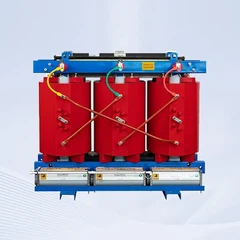
- Dry types: Dry type transformers eliminate the need for liquid in indoor locations, reducing fire risk and spill concerns for hospitals, schools and other sensitive applications.
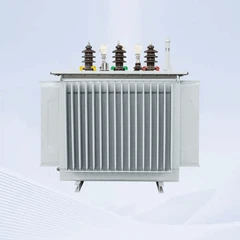
- Oil-filled units: Natural ester fluids provide a biodegradable alternative to mineral oil with higher fire points and strong moisture tolerance when liquids are required for outdoor units.
- High-efficiency transformers: Higher efficiency reduces wasted energy, cuts operational costs and lowers the carbon footprint.
- Recyclability: Recyclable materials - including copper, steel and some insulation systems - help recover valuable resources and reduce landfill waste.

Increased Transformer Efficiency for Modern Grids
Technologically advanced transformers boost performance even more with sensors and analytical capabilities that help maintenance crews identify small operational issues before they worsen and turn into costly failures. Remote terminal units can transmit load, temperature and other performance parameters over secure networks for easy access. Paired with predictive maintenance algorithms, this data helps teams schedule service during planned outages, balance loads across assets and optimize cooling for longer insulation life.
Need special dry-type transformers for data centers/new energy power stations? Submit your customization requirements (capacity/voltage/protection class)-GNEE will provide a customization plan + quote within 7 days, supporting small-batch customization!
What is the dry type of transformer?
Dry Type Transformers are transformers that use air instead of liquid for insulation and cooling. These transformers are safe, environmentally friendly, and require less maintenance. They are commonly used in indoor applications like commercial buildings, hospitals, and data centers, where fire safety is a priority.
What is the difference between dry and oil transformers?
Oil-filled transformers are ideal for larger applications requiring higher voltages, while dry transformers are better at handling medium and small voltage ratings.
How do you clean a dry type transformer?
Ideally, use both methods. Start by vacuuming off the parts followed by spraying them with compressed air that has a pressure of no more than 20 to 25 psi. Only use dry compressed air. Avoid using chemical cleaners to protect the surfaces of the transformer from damage
Send Inquiry