





Cost-Benefit Analysis of Dry Type vs. Oil-Filled Transformers
Jan 09, 2026
Leave a message
Understanding the true cost differences between dry type and oil-filled transformers involves more than just comparing the initial price tag. Some of the most significant costs revolve around what you will pay over the transformer's service life. In the end, it's a cost-of-ownership decision that considers installation requirements, energy efficiency, maintenance needs, safety and the expected lifespan of the system.

Depending on the application, some facilities save money over the long term with dry type transformers despite higher initial equipment costs, while others benefit from the proven reliability and cooling efficiency of oil-filled units. Knowing what drives costs for each type helps you make informed decisions that benefit your budget today while avoiding unnecessary expenses in the future.
Primary Differences Between Dry Type and Oil-Filled Transformers

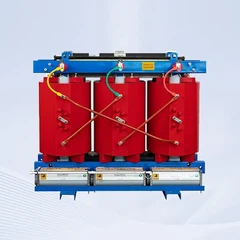
Dry type transformers use air circulation for cooling and rely on high-temperature insulation to protect the copper windings. Because they do not contain liquid coolant, they do not need special containment or fire suppression systems. Dry types dissipate heat through natural air circulation or the use of forced-air fans, making them ideal for indoor environments where temperature and humidity levels are relatively stable.

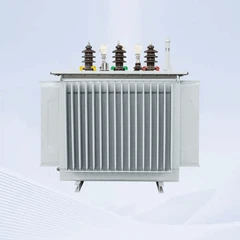
Oil-filled transformers - often referred to as pad mount transformers when installed outdoors - use mineral oil or natural ester fluid as an insulator and a cooling medium. The oil circulates around the windings, absorbing heat and transferring it to the tank walls, where it dissipates into the surrounding air. These sealed units sit on concrete pads and feature tamper-proof lockable doors that protect the electrical connections from weather and unauthorized access.
Both types serve the same purpose of stepping voltage up or down to match your facility's electrical requirements. Where you'll install the transformer, the size of the load you need to handle and your efficiency goals all determine whether a dry type or oil-filled transformer costs more across its service life.
Cost Factors Beyond Purchase Price
The upfront costs of buying a new transformer represent only a fraction of your total investment. Several other factors affect the actual amount you'll spend over the course of the equipment's service life. Understanding these cost drivers helps you compare options objectively rather than making decisions based solely on the initial price.

- Installation: Installation costs vary significantly between transformer types based on their infrastructure needs and safety considerations. Site preparation, electrical connections, containment systems and fire protection all contribute to the total project cost. Some installations require extensive modifications to the operating area, while others can plug directly into your current setup with minimal effort.
- Maintenance: The maintenance requirements also differ between dry type and oil-filled systems. Oil‑filled units require fluid‑related work - dissolved gas analysis (DGA), moisture and acidity testing, gasket inspections and tap‑changer service - often performed by qualified professionals. Dry type units avoid fluid maintenance, but they require regular connection checks, fan service on forced‑air models and regular cleaning to remove dust.
- Efficiency: Efficiency affects your overall costs every hour the transformer is in operation. Even the smallest differences in efficiency can translate to measurable savings or expenses over years of continuous operation. Space utilization is also critical - transformers occupy valuable real estate at your location, with some types requiring more room than others.
- Safety and compliance: Safety and compliance costs involve variouus factors, including fire suppression systems and environmental monitoring equipment. Regulatory requirements vary by type, rating and application. Industry standards are based on electrical and fire codes, minimum efficiency requirements and environmental regulations.
Lifespan Cost of Dry Type vs. Oil-Filled Transformers
A transformer's lifespan affects your total ownership costs significantly - the longer it lasts, the longer you avoid a costly replacement. Dry type transformers from reputable manufacturers can last beyond 35 years when properly maintained and operated within their design parameters. The lack of liquid coolant eliminates concerns about oil degradation, leaks or contamination that sometimes shorten equipment life.
Exposure to heat is the primary factor that determines the lifespan of a dry type transformer. Insulation breakdown due to excessive temperatures can shorten the service life by several years. Operating conditions are also critical - transformers installed in clean, climate-controlled environments avoid the stress that dust, moisture and temperature fluctuations create.
Oil-filled transformers can also provide decades of service when maintenance crews properly maintain them and keep the oil clean and free from contaminants. The liquid cooling provides excellent heat transfer, which protects the windings from thermal stress. Periodic sampling and oil changes if needed help improve performance, but these processes also contribute to your long-term costs.
Overloading shortens the lifespan of dry type and oil filled pad mount transformers by breaking down the insulation over time. Facilities that consistently push transformers beyond their rated capacity pay for that extra performance through premature failure and early replacement costs. Ensuring your transformer is rated for your actual load requirements protects your investment better than buying undersized equipment and running it at maximum capacity.
Cost Benefits of Dry Type Transformers
Dry type transformers offer several cost advantages that make them ideal for most indoor applications. Dry type transformer installations typically cost less because they do not require oil containment systems, spill prevention equipment or the environmental protection that liquid-filled transformers need. You can place them directly in electrical rooms alongside other equipment, saving on space and labor.
Maintenance requirements for dry types are minimal compared to oil-filled transformers. These units need periodic inspections to check connections, verify proper ventilation and confirm that cooling fans operate correctly. There is no oil to test, no fluid levels to monitor and no risk of leaks that require cleanup or environmental remediation.
 Other cost benefits include:
- Space efficiency: Businesses can install dry type units as part of an electrical lineup with high-voltage gear on one side and low-voltage breakers on the other. Integrated configurations like these help conserve floor space compared to stand-alone installations that require clearance on all sides.
- Fire safety: Non-flammable insulation eliminates many fire protection requirements for lower-quality units. In many applications, this premium-grade insulation enables designers to forgo specialized suppression systems and secondary containment, lowering total installation costs.
- Customization options: Direct plug-and-play retrofits and custom bus work let you replace old transformers with new units that match your existing electrical connections. These capabilities simplify upgrades and help reduce installation time without requiring modifications to your existing setup.
Cost Advantages of Oil-Filled Transformers
Pad mount transformers offer numerous cost advantages, making them the preferred choice for outdoor applications and higher power requirements. The liquid cooling systems handle heat more efficiently than air cooling, allowing these transformers to deliver higher kilovolt-ampere (kVA) ratings in a more compact size. When you need higher power capacities, oil-filled units often provide better value than an oversized dry type system.
Installing these units outdoors means you don't need to dedicate valuable interior building space to electrical equipment. This placement works well for facilities where indoor space is at a premium or where having power close to the load point requires long cables. Pad mount transformers sit outside on concrete pads, freeing up valuable square footage inside your building for other productive use.
 Other advantages that optimize the cost of oil-filled transformers include:
- Lower installation costs: Despite the need for containment systems, underground connections and outdoor placement often cost less than bringing power indoors and creating a dedicated electrical room. Depending on the application, site prep for a concrete pad typically costs less than modifying an entire area to accommodate dry type equipment.
- All-weather operation: Sealed tank construction enables pad mount transformers to withstand rain, snow, extreme temperatures and humidity without requiring additional protection. You do not need enclosed rooms or climate-controlled spaces to keep the equipment operating properly.
- Increased efficiency at higher capacities: The superior cooling characteristics of oil let these transformers handle larger loads in smaller physical packages. For large-scale, high-power applications, oil-filled units often deliver better value per kVA than air-cooled alternatives.
Maintenance for oil-filled transformers involves regular oil testing to monitor condition and periodic replacement when the fluid degrades. These requirements involve ongoing costs, but they are manageable with proper planning and budgeting.
Contact Us Today for More Information
If you want to learn more about how our products and services can benefit your business or organization, the experts at ELSCO Transformers can guide you. We can help you evaluate all the cost factors for your application and recommend a solution that protects your investment while meeting your power requirements. Contact us today to request a quote or discuss your upcoming project needs.
How do you clean a dry type transformer?
Ideally, use both methods. Start by vacuuming off the parts followed by spraying them with compressed air that has a pressure of no more than 20 to 25 psi. Only use dry compressed air. Avoid using chemical cleaners to protect the surfaces of the transformer from damage
What is the life expectancy of a dry type transformer?
between 20 and 30 years
Dry-type Transformers: Typically last between 20 and 30 years. Power Transformers (oil-filled): These can last anywhere from 30 to 50 years, depending on the operating conditions and the frequency of maintenance.
Why would you use a dry transformer?
Low Noise Levels: Dry-type transformers produce less noise than oil-filled systems, making them ideal for indoor environments where noise control is essential. Space Efficiency: Designed to be compact, these units fit well into confined spaces, allowing for efficient installation in a variety of building layouts
What are the three types of transformers?
A transformer can be categorized into three types based on its action on input voltage: Step-Up, Step-Down, and Isolation Transformer.
Send Inquiry