







Understanding Transformer Sizing and Selection for Industrial Applications
Jan 09, 2026
Leave a message
Choosing the wrong size transformer can cause premature equipment failure, hours of unplanned downtime and thousands of dollars in wasted energy. Despite these risks, some managers and maintenance supervisors do not take the necessary steps when purchasing a new or replacement unit for their facility.

Selecting the right transformer goes far beyond finding a size that works with your existing infrastructure - it requires understanding load ratings, environmental factors and future expansion needs. These factors are critical, whether you are buying a transformer for a manufacturing plant, hospital/medical center, university/school, power plant/utility, or correctional facility.
Why Proper Transformer Sizing and Selection Matters
Installing the incorrect size transformer can affect you in two ways - undersized units typically fail from the stresses of being overloaded, while oversized transformers usually waste energy through inefficiency and power loss.
Undersized Transformer Issues
Selecting a unit with a kilovolt-ampere (kVA) power rating that is too low for the electrical load it needs to serve can result in the following:
- Overheating and fire risk: When transformers operate beyond their temperature and insulation limits, damage occurs more rapidly the farther over capacity they go. This damage often results in the degradation of the insulation, creating issues that can cause dangerous short circuits, fires or explosions.
- Reduced efficiency: The transformer wastes energy trying to handle the excessive load, leading to increased utility bills, a shortened service life and possible equipment failure.
- Increased downtime: When an undersized transformer attempts to convert more power than it is rated for, the excess current can trigger breakers that cause frequent interruptions or shutdowns.
- Equipment failure: Overloading causes voltage instability, damaging the connected machinery and leading to equipment breakdowns.
 Problems With Oversized Transformers
Choosing a transformer with a power rating higher than what you need wastes money in various ways, including:
- Higher initial costs: Larger transformers are more expensive to build because they require more materials for conductors, windings and insulation. Oversized units may also involve increased installation costs.
- Wasted energy: Transformers that are too large cause no-load losses that occur whenever the unit is energized, regardless of the connected load. These constant losses often consume most of the total energy produced, leading to wasted energy and lower overall efficiency.
- Increased space requirements: Oversized units require larger areas to operate due to their increased size and the additional clearance space needed for safety and maintenance.
Key Factors in How to Determine Transformer Size
Load requirements
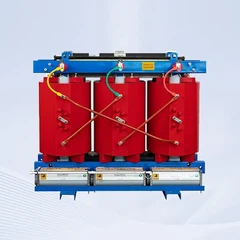
Load requirements are the primary factor in choosing the best size transformer for your operational needs. You must understand kVA ratings, which typically range from 500 to 3,750 kVA for most dry type transformers. Voltage is also critical - primary voltages typically range from 2,400 to 34,500 volts, with the ability to convert down to standard secondary voltages like 480 or 208 volts for your equipment.
 transformer's operational environment
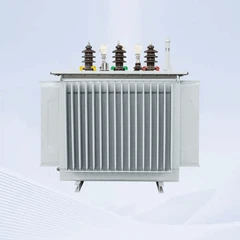
You must also consider the transformer's operational environment. Indoor installations give you more flexibility with medium voltage dry type transformers, while outdoor applications may require padmount units. Dry type transformers convert high primary voltages to the proper voltage with cooled air that prevents overheating, while padmount transformers use oil-filled cooling systems.
regulatory standards and local electrical codes
Additionally, you must keep in mind regulatory standards and local electrical codes. While Institute of Electrical and Electronics Engineers (IEEE) standards set the baseline for transformer performance requirements, including voltage regulation, efficiency and degree C-rise, your local jurisdiction may have additional requirements. Energy efficiency may also influence your selection if your utility company offers rebates for high-efficiency equipment.
When planning for your future power needs, you want some room for growth without oversizing the system. A transformer sized perfectly for your facility's current needs may become stressed, overheat or fail prematurely even when pushed slightly beyond its limits.
Common Transformer Sizes for Industrial Applications
Understanding how load ratings apply to most industrial applications can give you a solid starting point for choosing a transformer that meets your needs.
- Small Industrial (3 to 225 kVA): Smaller manufacturing facilities, university buildings and health care clinics that need reliable power for production equipment, lighting and HVAC systems.
- Medium Industrial (225 to 1,000 kVA): Midsized manufacturing plants, major hospital complexes or commercial buildings with increased electrical demands from machines and utilities.
- Large Industrial (over 1,000 kVA): Heavy manufacturing operations, major utility installations and large educational campuses that handle massive electrical loads.
Mistakes to Avoid in Transformer Sizing and Selection
Even the most experienced facility managers can make costly errors when choosing a transformer for their facility. These common mistakes lead to problems that show up sooner or later after installation, including:
 Ignoring the total cost of ownership: If not sized correctly, a transformer purchased based on price alone can result in efficiency losses, higher maintenance costs and a decreased service life. Transformers that deliver reliable service for decades justify higher upfront costs through lower lifetime expenses and reduced downtime.
- Poor physical installation planning: Make sure your transformer fits through doors and has adequate clearance for transport. Some facilities have purchased equipment only to discover they need to remove walls or roof sections for installation, which can significantly increase project costs and operational downtime.
- Ignoring environmental factors: While medium voltage dry type transformers work well in controlled environments indoors, units need special enclosures and grounding for outdoor use. Temperature, humidity and altitude all affect performance and must be considered to ensure proper operation throughout the system's lifespan.
- Neglecting maintenance access: Your maintenance team needs space to work safely around the transformer, and local codes specify minimum clearances for both safety and code compliance. Planning for these requirements during selection prevents future complications and helps your crew do their job more accurately, efficiently and safely.
Trust the Professionals at GNEE Transformers for Your Industrial Needs
If you're still unsure how to design a transformer for your operation, the experts at GNEE Transformers can help. For decades, we have helped customers across a broad industry range choose the most practical and effective units. Since we began manufacturing dry type transformers, we've had zero product failures resulting from workmanship, materials or design issues.
Need special dry-type transformers for data centers/new energy power stations? Submit your customization requirements (capacity/voltage/protection class)-GNEE will provide a customization plan + quote within 7 days, supporting small-batch customization!
What are the three types of transformers?
A transformer can be categorized into three types based on its action on input voltage: Step-Up, Step-Down, and Isolation Transformer.
Can dry type transformers be used outside?
Dry type transformers can be installed indoor and outdoor but should dry type transformers be installed indoor or outdoor depends on a number of factors including the application, dry type transformer specification like the size, the power capacity, space, ventilation, fire safety, and security requirements.
What is the maintenance of a dry type transformer?
Dry-Type Transformer Maintenance Checklist
When you clean a transformer, be on the look out for rust on the clamps and core steel, carbonization or tracking on the windings and insulation, discoloration on surfaces that could be a sign of overheating, and loose connections.
What are the disadvantages of dry transformers?
Dry-type transformer also has some disadvantages , mainly including high price, generally can only be installed in the indoor, poor moisture and dust resistance, loud noise, and relatively poor tolerance in harsh environments.
Send Inquiry