








Dry-Type Transformer Insulation Classes B, F and H Explained
Apr 17, 2026
Leave a message
When designing or procuring electrical equipment, understanding the thermal class B / F / H difference for dry type transformer windings is essential for ensuring system reliability and safety. The thermal class, or insulation class, dictates the maximum temperature the transformer's insulation system can withstand before its lifespan begins to degrade rapidly. Selecting the wrong thermal class for your dry-type transformer can lead to premature failure, fire hazards, and costly downtime.
As a premier cast resin dry type transformer manufacturers and global supplier, GNEE has over 18 years of expertise in producing high-performance three-phase dry-type transformer units. We operate a world-class manufacturing facility equipped with precision winding and vacuum casting technology.
Whether you need an indoor three-phase transformer for a commercial skyscraper or a rugged cast resin distribution transformer for industrial use, GNEE provides factory-direct solutions tailored to your specific thermal requirements.
Defining the Thermal Class B / F / H Difference for Dry Type Transformer Windings
The thermal class B / F / H difference for dry type transformer windings is primarily defined by the international standards (IEC 60085 and NEMA). These classes represent the "thermal endurance" of the materials used in the dry core transformer, such as the resin, tapes, and wire coatings.
- Class B: Allows for a maximum operating temperature of 130°C. It is the traditional standard but is increasingly rare in modern high-performance units.
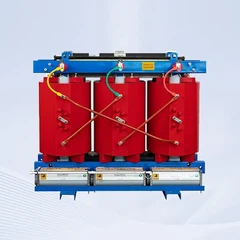
- Class F: Allows for a maximum operating temperature of 155°C. This is currently the industry standard for a three-phase cast resin transformer.
- Class H: Allows for a maximum operating temperature of 180°C. This class is reserved for high-demand environments where space is limited and heat generation is high.
For a cast coil dry type transformer, the insulation system must be able to handle not just the ambient temperature, but also the temperature rise caused by electrical resistance (load losses).

A close-up shot of high-quality copper windings
Temperature Rise and Limits in Three-Phase Dry-type Transformer Units
To truly understand the thermal class B / F / H difference for dry type transformer windings, we must look at how "Temperature Rise" is calculated. The total temperature of a cast resin power transformer is the sum of the ambient temperature (usually assumed at 40°C), the allowable temperature rise, and a safety margin for the "hot spot."
In a three-phase dry-type transformer, Class F is highly favored because it offers a perfect balance between cost and durability. A Class F unit allows for a temperature rise of 100K (Kelvin). If the environment is exceptionally hot or if the dry distribution transformer must handle frequent overloads, moving to Class H is a safer investment. This extra thermal headroom prevents the insulation from becoming brittle over time, which is a common cause of short circuits in inferior dry cast resin transformers.
Comparative Technical Parameters for Insulation Classes
Below is a detailed comparison table to help you visualize the thermal class B / F / H difference for dry type transformer windings based on standard operating conditions (assuming a 40°C ambient temperature).
Class Comparison (Reference, IEC 60085)
| Class | Max Total Temp | Allowable Rise | Hot-Spot Margin | Typical Use |
|---|---|---|---|---|
| B | 130 C | 80 K | 10 C | Small, older LV units |
| F | 155 C | 100 K | 15 C | Standard cast-resin transformers |
| H | 180 C | 125 K | 15 C | High-load indoor installations |
Why Modern Projects Prefer Class F and H Cast Resin Power Transformer Designs
In the current market, the difference between thermal class B / F / H for dry type transformer windings often translates to the physical size and efficiency of the unit. A low loss dry-type transformer utilizing Class H insulation can be designed more compactly because the materials can safely handle higher heat densities.
Furthermore, GNEE's cast resin power transformer models utilize advanced epoxy resins that are specifically formulated for Class F and H compliance. These resins provide:
- Flame Retardancy: Self-extinguishing properties that are vital for indoor three-phase transformer installations.
- Moisture Resistance: The cast resin encapsulates the windings, making it superior to Class B open-ventilated units in humid conditions.
- Mechanical Strength: High thermal classes often involve tougher resins that resist cracking during the thermal expansion and contraction cycles of the three-phase cast resin transformer.

Impact on Lifespan and Reliability of Cast Resin Dry Type Transformer
The "Rule of 10" in electrical engineering states that for every 10°C increase above the rated thermal limit, the lifespan of the insulation is halved. This highlights why the thermal class B / F / H difference for dry type transformer windings is so critical for your ROI.
By choosing a cast resin distribution transformer with a higher thermal class (like Class H) but operating it at Class F temperatures, you create a massive safety buffer. This is a common strategy used by GNEE's engineers to provide our clients with "Ultra-Reliable" solutions.
As a leading cast resin dry type transformer manufacturers, we ensure that our dry cast resin transformers are tested under full-load conditions to verify that the temperature rise stays well within the limits of the designated thermal class.
Application Scenarios: Choosing the Right Class for Your Indoor Three-Phase Transformer
Where you install your indoor three-phase transformer dictates which thermal class you should select:
- Commercial Buildings: Class F is usually sufficient and most cost-effective for HVAC and lighting loads.
- Data Centers & Hospitals: Class H is recommended due to the critical nature of the load and the potential for harmonic-induced heating in the cast coil dry type transformer.
- Renewable Energy (Solar/Wind): Often require Class H or higher to handle the fluctuating loads and ambient heat found in inverter rooms.
GNEE's low loss dry-type transformer range is designed to exceed these requirements, providing you with a dry core transformer that stays cool under pressure.

A row of finished transformers in GNEE's warehouse
Why GNEE is Your Trusted Transformer Partner
Choosing GNEE means working with a manufacturer that prioritizes technical transparency. We don't just sell a dry distribution transformer; we provide a fully engineered solution. Our cast resin type transformer production line follows ISO 9001 standards, and every unit undergoes rigorous routine tests, including partial discharge tests and temperature rise tests, to prove its thermal class integrity.
When you compare the thermal class B / F / H difference for dry type transformer windings, you will find that GNEE's commitment to using superior Class F and H materials ensures your project meets the highest global standards for safety and energy efficiency.
Conclusion: Secure Your Energy Future with GNEE
Understanding the thermal class B / F / H difference for dry type transformer windings is key to making a smart procurement decision. Whether you need the standard reliability of Class F or the heavy-duty performance of Class H, selecting the right insulation class ensures your dry-type transformer will operate safely for decades.
Ready to specify the right insulation for your next project? Don't settle for "standard" when you can have "optimized."
Contact GNEE today for a comprehensive technical consultation and a competitive quote on our three-phase dry-type transformer and cast resin power transformer products. Our team of experts is ready to help you navigate the complexities of thermal classes to find the perfect fit for your needs. Inquire now to get started!
What is the delivery time for a 1000 kVA transformer?
The typical production time for a 1000 kVA transformer is 30–45 days. Customized designs or large quantities may require additional time.
Do you provide test reports for 1000 kVA transformers?
Yes, high-quality suppliers provide full test reports for 1000 kVA transformers, including routine tests, type tests, and optional third-party inspection reports (SGS, BV, etc.).
What is the primary role of oil in oil immersed transformers?
The oil in oil immersed transformers serves dual functions: insulation and cooling. It acts as a barrier to prevent electrical leaks and dissipates heat generated, preventing overheating and potential electrical faults.
How often should the dielectric strength test be conducted?
Dielectric strength tests are typically recommended annually or as advised by the manufacturer, aligning with operational conditions to maintain optimal transformer performance.
Why is monitoring oil levels essential for transformer maintenance?
Monitoring oil levels is crucial because low oil levels can lead to overheating and reduced insulation ability, increasing the risk of electrical faults.
What measures can prevent thermal overloads in transformers?
Preventive measures for thermal overloads include optimizing load distribution, employing advanced cooling techniques, and continuous temperature monitoring with prompt corrective actions when necessary.
How can thermal imaging help in transformer maintenance?
Thermal imaging captures infrared images to identify hotspots that may indicate electrical issues or potential component failures, allowing for early intervention and prevention of larger failures.
Send Inquiry