








Installation Requirements & Clearance for 1000kVA Dry Type Transformer Indoor
Apr 17, 2026
Leave a message
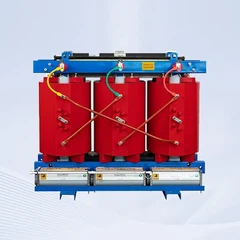
As a professional transformer manufacturer, GNEE specializes in advanced Dry-type Transformer solutions, including Three-Phase Dry-type Transformer and Three-Phase Cast Resin Transformer systems. When installing a 1000kVA Dry Type Transformer Indoor, proper planning, clearance, and compliance with standards are critical to ensure safety, performance, and long service life.
Indoor installations are widely used in commercial buildings, industrial plants, and infrastructure projects due to their fire safety and low maintenance advantages. However, improper installation can lead to overheating, reduced efficiency, and operational risks.
Installation Requirements for 1000kVA Dry Type Transformer Indoor
Site Selection for 1000kVA Dry Type Transformer Indoor Installation
Choosing the right installation location is the first step to ensure reliable operation.
Key requirements:
- Install in a clean, dry, and well-ventilated room
- Avoid areas with excessive dust, corrosive gases, or moisture
- Ensure easy access for maintenance and inspection
For Indoor Three-Phase Transformer applications, proper environmental control significantly improves performance and lifespan.
Foundation and Mounting Requirements
The transformer must be installed on a solid and level foundation.
Important considerations:
- Reinforced concrete base recommended
- Anti-vibration pads to reduce noise and mechanical stress
- Adequate load-bearing capacity for 1000kVA unit
Cast Resin Power Transformer designs are compact but still require stable structural support.

Transformer installed in indoor substation
Clearance Requirements for 1000kVA Dry Type Transformer Indoor
Minimum Clearance Distance for 1000kVA Dry Type Transformer Indoor
Proper clearance ensures safe operation and effective cooling.
Typical clearance guidelines:
- Front clearance: ≥ 1.5 meters (operation and maintenance space)
- Side clearance: ≥ 1.0 meter
- Rear clearance: ≥ 1.0 meter
- Top clearance: ≥ 1.0 meter
These distances may vary depending on local standards (IEC, NEC, or GB).
Ventilation Clearance for 1000kVA Dry Type Transformer Indoor
Dry-type transformers rely on air cooling, so airflow is critical.
Ventilation requirements:
- Ensure natural or forced air circulation
- Avoid blocking air inlet and outlet
- Maintain sufficient spacing from walls and other equipment
Low Loss Dry-type Transformer designs improve efficiency but still depend on proper cooling conditions.

Cooling Methods For Dry Type Transformers
Electrical Installation Requirements for 1000kVA Dry Type Transformer Indoor
Cable and Busbar Connection Requirements
Proper electrical connections are essential for safe operation.
Guidelines:
- Use appropriately rated cables or busbars
- Ensure tight and secure connections
- Provide proper insulation and phase separation
Cast coil dry type transformer systems often support flexible connection options for various applications.
Grounding and Protection System
Grounding is critical for safety and fault protection.
Requirements:
- Reliable grounding of transformer core and enclosure
- Install surge protection devices
- Use protective relays and circuit breakers
Dry core transformer and cast resin type transformer systems must comply with international safety standards.
Environmental Requirements for 1000kVA Dry Type Transformer Indoor
Temperature and Humidity Conditions
Operating environment directly affects performance.
Recommended conditions:
- Ambient temperature: -5°C to +40°C
- Relative humidity: ≤ 90% (non-condensing)
Dry cast resin transformers perform well in humid environments but still require controlled conditions.
Fire Safety and Protection Measures
Dry-type transformers are safer than oil-filled units, but precautions are still necessary.
Measures include:
- Fire-resistant installation materials
- Smoke detection systems
- Fire barriers if installed near critical equipment
Cast resin dry type transformer manufacturers design products with flame-retardant properties for enhanced safety.

Indoor transformer room with fire safety equipment
Maintenance Space and Accessibility Requirements
Maintenance Clearance for 1000kVA Dry Type Transformer Indoor
Adequate space must be reserved for routine maintenance.
Requirements:
- Easy access to terminals and control panels
- Space for inspection tools and personnel
- Clear pathways for equipment removal if needed
Dry distribution transformer systems are designed for minimal maintenance, but accessibility remains essential.
Noise and Vibration Considerations
Indoor installations must consider noise control.
Solutions:
- Install vibration dampers
- Use soundproof enclosures if necessary
- Maintain distance from offices or residential areas
Parameter Table of 1000kVA Dry Type Transformer Indoor Installation
| Parameter | Specification |
|---|---|
| Rated Capacity | 1000 kVA |
| Voltage Level | 10kV / 0.4kV |
| Phase | Three-Phase |
| Cooling Method | AN / AF |
| Insulation Type | Cast Resin |
| Installation Type | Indoor |
| Minimum Front Clearance | ≥ 1.5 m |
| Side/Rear Clearance | ≥ 1.0 m |
| Top Clearance | ≥ 1.0 m |
| Ambient Temperature | -5°C to +40°C |
| Protection Level | IP20 / IP23 |
| Standard | IEC / ANSI / GB |
Why Choose GNEE for Indoor Dry Type Transformer Solutions?
GNEE is one of the leading cast resin dry type transformer manufacturers, offering:
- High-quality cast resin distribution transformer solutions
- Advanced Three-Phase Dry-type Transformer technology
- Custom Indoor Three-Phase Transformer designs
- Compliance with IEC, ANSI, and GB standards
- Global project experience and fast delivery
We provide complete technical support from design to installation, ensuring your project runs smoothly.
Conclusion: Ensure Safe Installation with Proper Clearance for 1000kVA Dry Type Transformer Indoor
Understanding the Installation Requirements & Clearance for 1000kVA Dry Type Transformer Indoor is essential for ensuring safety, efficiency, and long-term reliability. Proper site selection, ventilation, electrical connections, and maintenance space all contribute to optimal transformer performance.
👉 Need expert guidance or customized transformer solutions? Contact GNEE today and get professional support for your indoor transformer projects!
What are the advantages of a 1000 kVA oil immersed transformer?
A 1000 kVA oil immersed transformer offers:
- Superior cooling performance
- Higher efficiency and overload capacity
- Longer service life
- Lower initial purchase cost
This makes it a preferred choice for industrial and utility applications.
Is a 1000 kVA dry type transformer maintenance-free?
A 1000 kVA dry type transformer requires less maintenance compared to oil-filled types, as it does not use oil. However, periodic inspections, cleaning, and thermal checks are still necessary to ensure optimal performance.
Can a 1000 kVA transformer be customized?
Yes, both 1000 kVA dry type transformers and 1000 kVA oil immersed transformers can be fully customized. Parameters such as voltage, frequency, impedance, cooling method, and enclosure protection can be tailored to meet specific project needs.
What standards should a 1000 kVA transformer comply with?
A reliable 1000 kVA transformer should comply with international standards such as IEC, ANSI, or IEEE. Certification ensures performance, safety, and compatibility with local power systems.
How to choose the right 1000 kVA transformer for your project?
To select the right 1000 kVA transformer, consider:
- Installation environment (indoor vs outdoor)
- Load requirements
- Budget and lifecycle cost
- Safety and maintenance needs
Dry type is ideal for indoor safety, while oil immersed is better for heavy-duty outdoor use.
What affects the price of a 1000kVA oil immersed transformer?
The 1000kVA oil immersed transformer cost depends on:
- Core material quality (CRGO steel)
- Winding material (copper vs aluminum)
- Loss level (standard vs energy-efficient)
- Brand and certification
- Customization requirements
Send Inquiry