








Operation & Maintenance Guide for 1000 kVA Dry-Type Transformers
Apr 17, 2026
Leave a message
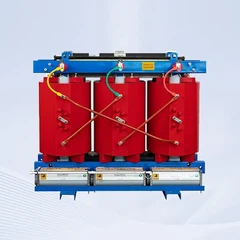
A 1000 kVA cast-resin dry-type transformer is not "maintenance-free" - it is maintenance-light, and only if the basics are done on schedule: a 2500 V megger test before first energisation, dust control (the single biggest silent killer of dry-type insulation), F-class temperature settings of 130°C alarm / 150°C trip, and quarterly cooling-fan verification. This guide turns those basics into a checkable routine.
Key Takeaways
- Pre-commissioning: 2500 V megger test between HV/LV windings and to ground; verify ≥ 500 MΩ at 20°C (reference - follow the manufacturer's minimum and GB 50150).
- Running rules: F-class controller at 130°C alarm / 150°C trip, fans start ≈ 100°C; no sustained overload above rating.
- Routine: monthly visual dust check; de-energised cleaning every 6–12 months; quarterly cooling-fan test; bi-annual bolt torque check.
- Environment: ambient humidity ≤ 90% non-condensing; ≥ 500 mm clearance around the unit for airflow.
1. Pre-Commissioning Checks
Before energising a new or relocated 1000 kVA dry-type transformer, verify that transit and installation have not damaged the unit:
- Location and clearances: well-ventilated indoor room with at least 500 mm clearance from walls and adjacent equipment for natural convection.
- Connections: re-torque all electrical connections - vibration during shipping loosens bolts.
- Insulation resistance: with a 2500 V megger, measure between HV and LV windings and between each winding and ground. A reference acceptance value is ≥ 500 MΩ at 20°C; the governing figures are the manufacturer's minimum specifications and the applicable commissioning standard (e.g. GB 50150).
- Earthing: verify tank and enclosure earth continuity.

If insulation resistance reads low after long storage in a humid environment, dry the unit out (space heaters or a controlled "bake out" per the manufacturer's manual) before energising - energising a damp winding is how insulation fails young.
2. Daily Operating Procedures
- Temperature monitoring: keep the digital temperature controller (e.g. BWDK series) in view. For Class F insulation, typical settings are alarm at 130°C and trip at 150°C, with cooling fans starting near 100°C.
- Load management: avoid continuous operation above rated capacity. Units with forced-air (AF) cooling may carry short-term overloads with fans running, per IEC 60076-12, but sustained overload accelerates insulation ageing.
- Sound check: a healthy unit hums steadily at low frequency. Buzzing, crackling or uneven noise indicates loose parts or internal discharge - investigate immediately.
3. Routine Maintenance Schedule
Cleanliness is the core of dry-type maintenance. Dust on the windings acts as an insulator that traps heat and, once moist, can form a conductive path leading to tracking or flashover.
| Maintenance Item | Standard Value / Requirement | Frequency |
|---|---|---|
| Winding temperature (Class F) | Alarm 130°C, Trip 150°C | Continuous (digital controller) |
| Insulation resistance (HV–ground) | ≥ 500 MΩ at 20°C | Annually |
| Cooling system check | Fans must start at ~100°C | Quarterly |
| Bolt torque (M12 / M16) | 45–60 Nm / 80–120 Nm | Bi-annually |
| Ambient humidity | ≤ 90% (non-condensing) | Daily (hygrometer) |
| Cleaning requirement | Remove all visible dust from air ducts | Every 6 months |
Reference values for a typical GNEE 1000 kVA dry-type transformer. Confirm against the unit's technical manual and the manufacturer's documentation.
- Cleaning method: vacuum loose dust; use a dry, lint-free cloth for stubborn grime. Do not use liquid cleaners on cast-resin coils unless approved by the manufacturer.
- Cooling fans: verify start at the preset temperature; replace noisy or failed fans before they cause overheating.
- Busbar connections: periodically inspect LV-side connections - high current plus oxidation or looseness means localised heating and a fire risk.

4. Troubleshooting Common Issues
| Symptom | Likely Cause | Action |
|---|---|---|
| High-temperature alarm | Poor room ventilation; blocked coil cooling ducts; failed fans | Clear air paths; clean ducts; repair/replace fans |
| Low insulation resistance | Long de-energised period in high humidity | Space-heat or bake out per manual; retest before energising |
| Vibration / metallic noise | Loose foundation bolts or dampers; foreign objects on core/housing | Tighten bolts; remove objects; check dampers |
| Crackling sound | Partial discharge; loose connection | De-energise and inspect; contact manufacturer |
5. Long-Term Care and Support
Long-term efficiency depends on the "tightness" of the system. Keep the LV busbar connections torqued and clean - a 1000 kVA dry-type transformer carries high current on the LV side, and any oxidation at the joints converts efficiency into heat. Spare parts (fans, temperature controllers, insulators) and maintenance kits should be sourced from the manufacturer to keep the unit within its certified design.
Technical Parameters for 1000kVA Maintenance Reference
To assist your maintenance team, refer to these standard parameters for a GNEE 1000kVA dry type transformer.
| Maintenance Item | Standard Value / Requirement | Frequency |
| Winding Temp (Class F) | Alarm:130∘C, Trip:150∘C | Continuous (Digital) |
| Insulation Resistance (HV-Ground) |
≥500MΩ≥500MΩ (At 20∘C) |
Annually |
| Cooling System Check | Fans must start at 100∘C | Quarterly |
| Bolt Torque (M12/M16) | 45-60 Nm / 80-120 Nm | Bi-Annually |
| Ambient Humidity |
≤90%(Non-condensing) |
Daily |
| Cleaning Requirement | Remove all visible dust from air ducts | Every 6 months |

Need professional support or a quote for a new project?
At GNEE, we offer more than just hardware; we provide customized power solutions.
Contact GNEE today for a free consultation on our 1000kVA dry type transformer series.
Whether you need technical advice on a cast resin power transformer or are looking for a reliable cast resin dry type transformer manufacturers for your next project, our team is ready to assist. Click here to send your inquiry and get a fast response within 24 hours!
Frequently Asked Questions
What is the difference between a 1000 kVA dry-type and a 1000 kVA oil-immersed transformer?
A 1000 kVA dry-type transformer cools with air and suits indoor installations with high fire-safety requirements. A 1000 kVA oil-immersed transformer uses insulating oil, which gives better cooling, higher overload capacity and generally lower first cost, making it the choice for outdoor and heavy-duty applications.
How often should a dry-type transformer be cleaned?
Perform a visual dust check monthly. Every 6 to 12 months, de-energise the unit and clean the windings and air ducts - a vacuum cleaner for loose dust and a dry, lint-free cloth for stubborn grime. Do not use liquid cleaners on cast-resin coils unless approved by the manufacturer.
What insulation resistance should a 1000 kVA dry-type transformer show?
As a reference, HV-to-ground insulation resistance of at least 500 MΩ at 20°C is commonly used for acceptance, measured with a 2500 V megger between HV and LV windings and between windings and ground. The governing values are the manufacturer's minimum specifications and the commissioning standard (e.g. GB 50150); values below the limit indicate moisture ingress and require drying before energising.
At what temperatures do dry-type transformer alarms and trips operate?
For a Class F (155°C) dry-type transformer with a digital temperature controller (e.g. BWDK series), the typical settings are alarm at 130°C and trip at 150°C, with cooling fans starting around 100°C. Confirm the exact set points with the controller manual and the manufacturer's documentation.
Can a dry-type transformer be overloaded?
Yes, within limits: units with forced-air (AF) cooling can carry short-term overloads with the fans running, and loading rules follow IEC 60076-12 for dry-type transformers. Continuous overloading above rating degrades insulation life rapidly - monitor winding temperature and avoid sustained overload.
References
- IEC 60076-11:2018 - Power transformers, Part 11: Dry-type transformers.
- IEC 60076-12 - Power transformers, Part 12: Loading guide for dry-type power transformers.
- GB 50150-2016 - (Standard for hand-over test of electric equipment installation engineering).
- GB/T 10228-2015 - (Technical parameters and requirements for dry-type power transformers).
- GNEE Electric - Dry Type Transformer range.
Standards and figures above were verified against the cited sources as of the publication date. Maintenance values are reference guidance; always follow the manufacturer's manual for the specific unit. If you spot an error, contact us so we can correct it.
Need Technical Support or a Quote for a 1000 kVA Dry-Type Transformer?
GNEE supplies cast-resin dry-type transformers with maintenance kits, spare parts and full documentation. Ask our team for a consultation or a quotation.
Or email sales@gneeelectric.com · WhatsApp +86 158 2468 7445
Disclaimer: This article is provided for general information and does not constitute engineering advice or a product warranty. Temperature set points, insulation values and schedules are reference guidance; the manufacturer's manual and the applicable standard govern the actual unit. Henan GNEE Electric Co., Ltd. makes no representation regarding the accuracy of third-party references.
Send Inquiry