








Transformers in Solar Photovoltaic Systems
May 19, 2026
Leave a message
Solar photovoltaic systems generate clean energy, but without the right transformer, that energy cannot efficiently reach the grid or end users. The solar photovoltaic system transformer is the backbone of every utility-scale and commercial PV installation, responsible for stepping up low-voltage inverter output to medium-voltage levels suitable for transmission and distribution.
Whether you are developing a 2 MW rooftop array or a 100 MW solar farm, understanding your transformer options is critical to project success-and we are here to support you from design through delivery.

Understanding the Role of Transformers in Solar Photovoltaic Systems
What Does a Solar Photovoltaic System Transformer Do?
A solar photovoltaic system transformer performs three essential functions within any PV power plant.
- First, it converts the low-voltage alternating current output from solar inverters-typically 400 V, 480 V, 600 V, or 800 V-to medium-voltage levels such as 10 kV, 11 kV, 13.8 kV, 20 kV, 33 kV, or 35 kV for efficient transmission.
- Second, it provides galvanic isolation between the PV array and the utility grid, preventing dangerous DC injection and ensuring compliance with grid interconnection standards.
- Third, it withstands the harmonic currents generated by modern inverter switching, managing thermal stress that would degrade a standard distribution transformer over time.
Key Selection Parameters for PV Transformers
When specifying transformers for photovoltaic projects, several critical technical indicators need priority confirmation:
- Capacity matching: The rated transformer capacity should be reserved with a 10%~20% margin based on the total output power of supporting inverters to adapt to irradiance fluctuation.
- Short-circuit impedance: 6%~8% is the mainstream selection range for solar transformers, which restricts short-circuit current and suppresses harmonic amplification.
- Winding structure: Double-split winding design is widely adopted for centralized PV stations, realizing independent power supply for multiple inverter groups and reducing mutual interference.
- Environmental protection grade: Outdoor units require anti-salt-spray, dust-proof and ultraviolet-resistant coating schemes to adapt to deserts, coastal and high-altitude working conditions.
- Equipment type selection principle: Oil-immersed transformers are preferred for large ground-mounted solar farms; cast-resin dry-type transformers are selected for indoor buildings, rooftop PV and fire-restricted areas.
Key Functions of PV Transformers in Modern Solar Farms
Modern solar power plants place unique demands on transformers that go far beyond conventional distribution applications.
The transformer must handle fluctuating power output throughout the day-from zero at night to full rated capacity during peak sunlight hours-while maintaining stable voltage transformation. It must operate reliably in harsh outdoor environments including deserts, coastal areas, and high-altitude locations where temperature extremes, dust, and salt spray pose constant challenges.
Additionally, the transformer must deliver high energy efficiency to maximize the financial return on every kilowatt-hour generated by the PV array.

Technical Parameters of Solar Photovoltaic System Transformers
|
Rated Capacity(kVA) |
Voltage Combination |
Vector group |
No-load Loss(kW) |
Load Loss(kW) |
No-load Current(%) |
Short-Circuit Impedance(%) |
||
|
High Voltage(kV) |
High Voltage Tapping Range(%) |
Low Voltage(LV) |
||||||
|
30 |
20 |
±2×2.5 or ±5 |
0.4 |
Dyn11 or Yzn11 or |
0.08 |
0.66/0.63 |
1.7 |
5.5 |
|
50 |
0.1 |
0.96/0.91 |
1.6 |
|||||
|
63 |
0.12 |
1.14/1.09 |
1.5 |
|||||
|
80 |
0.14 |
1.37/1.30 |
1.4 |
|||||
|
100 |
0.16 |
1.64/1.57 |
1.2 |
|||||
|
125 |
0.19 |
1.98/1.88 |
1.2 |
|||||
|
160 |
0.23 |
2.41/2.30 |
1.1 |
|||||
|
200 |
0.27 |
2.85/2.72 |
1 |
|||||
|
250 |
0.32 |
3.34/3.18 |
0.96 |
|||||
|
315 |
0.38 |
4.00/3.81 |
0.88 |
|||||
|
400 |
0.46 |
4.72/4.39 |
0.8 |
|||||
|
500 |
0.54 |
5.64/5.48 |
0.8 |
|||||
|
630 |
0.65 |
6.48 |
0.72 |
|||||
|
800 |
0.78 |
7.84 |
0.64 |
|||||
|
1000 |
0.92 |
10.7 |
0.56 |
6 |
||||
|
1250 |
1.1 |
12.5 |
0.56 |
|||||
|
1600 |
1.33 |
15.1 |
0.48 |
|||||
|
2000 |
1.56 |
19.1 |
0.48 |
|||||
|
2500 |
1.87 |
22.2 |
0.4 |
|||||
Why Low-Loss Design Matters for PV Transformer Performance
No-load losses and load losses directly impact the lifetime profitability of any solar power plant. GNEE solar transformers utilize high-grade grain-oriented silicon steel cores and oxygen-free copper windings to minimize these losses. During nighttime hours when the PV array produces no power, the transformer remains energized on the grid side-making low no-load loss a critical parameter for reducing wasted energy. Our S13-M series oil-immersed transformers, for example, deliver no-load losses as low as 80 W for 30 kVA units and 570 W for 630 kVA configurations.
Typical No-Load and Load Loss Comparison (S13-M Series Oil-Immersed)
| Rated Capacity (kVA) | No-Load Loss (W) | Load Loss at 75°C (W) | Impedance (%) |
|---|---|---|---|
| 200 | 240 | 3,000 / 3,860 | 5.5 |
| 315 | 340 | 4,210 / 4,010 | 5.5 |
| 500 | 480 | 5,940 / 5,660 | 5.5 |
| 630 | 570 | 6,820 | 6.0 |
| 800 | 700 | 8,250 | 6.0 |
| 1000 | 830 | 12,000 | 6.0 |
| 1250 | 970 | 13,200 | 6.0 |
| 1600 | 1,170 | 15,950 | 6.0 |
| 2000 | 1,380 | 19,140 | 6.0 |
Types of Transformers Used in Solar Photovoltaic Systems
Oil-Immersed Transformers for Utility-Scale PV Power Plants
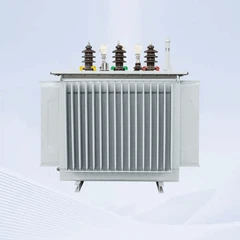
Oil-immersed transformers remain the dominant choice for large-scale solar farms, and for good reason. The transformer oil provides superior cooling performance-approximately 2 to 3 times more effective than air cooling-enabling the unit to handle sustained high loading during peak solar hours without thermal degradation.
GNEE's oil-immersed PV transformers feature fully sealed tank construction with pressure relief devices, anti-corrosion coatings suitable for desert and coastal environments, and optional FR3 natural ester fluid for projects requiring enhanced fire safety and environmental sustainability. Capacity options span from compact 200 kVA units for small commercial installations to 31,500 kVA main power transformers for mega-scale solar parks.

Advantages of Oil-Immersed PV Transformers
- Superior cooling capacity - Oil circulation dissipates heat 2–3x more efficiently than air, allowing continuous operation at high load factors.
- Lower initial cost - At equivalent capacity, oil-immersed units typically cost 20–30% less than comparable dry-type transformers.
- Proven outdoor durability - Fully sealed, weatherproof tank designs withstand decades of sun, rain, dust, and temperature extremes.
- Higher overload tolerance - Oil thermal mass absorbs short-term overloads common during cloud-edge effects and peak irradiance events.
- Longer track record - Decades of field data in utility-scale applications provide confidence in long-term reliability.
Dry-Type Transformers for Indoor and Safety-Critical Solar Installations
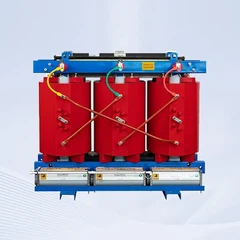
For rooftop PV systems, building-integrated photovoltaics, and installations where fire safety regulations prohibit oil-filled equipment, dry-type transformers offer a compelling alternative.
GNEE's cast-resin dry-type transformers use epoxy insulation that is inherently flame-retardant, maintenance-free, and capable of operating at 100% humidity without pre-drying after extended shutdowns. These units can be installed directly inside buildings or in load centers, eliminating the need for separate fire-rated transformer vaults. They also offer excellent partial discharge performance and can operate at 150% rated load under forced air cooling conditions.

Advantages of Dry-Type PV Transformers
- Fire-safe and flame-retardant - Epoxy resin insulation eliminates fire risk, making these transformers ideal for rooftop and indoor PV installations.
- Zero fluid containment - No oil means no risk of leaks or groundwater contamination; no bund walls or oil containment pits required.
- Low maintenance - No oil sampling, filtration, or dissolved gas analysis required over the operating life.
- Compact footprint - Smaller and lighter than equivalent oil-immersed units, ideal for space-constrained locations.
- Rapid deployment - No pre-drying needed; units can be energized immediately after installation even in humid environments.
Cases Study of Solar Photovoltaic Transformer

Large-Scale Solar Power Plant Integration
Our turnkey photovoltaic transformer solution was successfully implemented in a large-scale commercial solar power plant. Containerized transformers integrated with switchgear and transformer enabled seamless installation and robust performance, cutting commissioning time by 50% while reducing overall project costs.
Remote Industrial Solar Installation
In a remote industrial facility, our highly durable, container-type transformer solutions delivered exceptional environmental resilience. Engineered with weather-resistant steel and built-in insulation, they withstood extreme conditions, provided reliable voltage regulation, and
significantly reduced maintenance and installation complexities.
Utility-Scale Energy Storage Integration
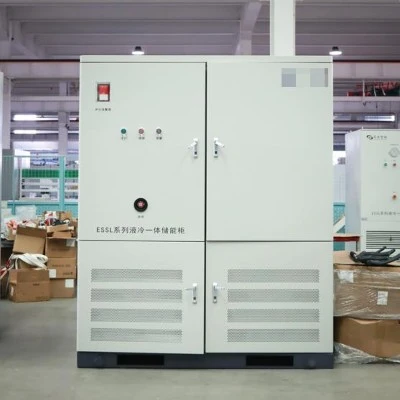
Our photovoltaic transformer solution played a pivotal role in a utility-scale solar energy storage project by integrating advanced inverters, transformers including three phase padmount transformer, and switchgear into a single containerized system. This optimized design ensured high reliability and safety, delivering significant cost savings and streamlined installation processes.
Customized Off-Grid Microgrid Project
Our flexible solar inverter transformer solutions were tailored for a challenging off-grid microgrid project. With custom-designed components and streamlined integration, our products enabled efficient solar energy conversion, enhanced system stability, and reduced infrastructure requirements, perfectly meeting specific customer demands.
Ready to specify the right transformer for your solar PV project?
Contact GNEE Electric today for a customized quotation. Whether you need a single 630 kVA oil-immersed unit for a commercial rooftop, a fleet of dry-type transformers for an indoor substation, or pad-mounted transformers for a utility-scale solar farm, our engineering team is ready to design a solution that meets your exact technical parameters and budget requirements. Send us your project specifications now, and let's build the future of clean energy together.
Are there transformers in solar panels?
One essential component in a solar power system is the transformer, which is responsible for converting the generated electricity into a form suitable for distribution.
What is a transformer in a solar system?
As its name suggests, a solar transformer is a device that transforms solar power into another form of energy. Solar transformers are used in a variety of applications, including grid-tied systems, off-grid systems, and hybrid systems. They are used to convert sunlight into electricity, heat, or chemical energy.
What are the 4 types of transformers?
Transformers are designed with their application in mind. Thus, transformer application is often used to classify a transformer into one of the four categories: Power, Instrument, Distribution, and Current Transformer.
What are the different types of solar transformers?
There are different types of solar transformers including distribution, station, sub-station, pad mounted and grounding. All solar transformers have specialised needs that impact costs. For example, solar power applications experience steady state loading during inverter operation.
Send Inquiry