





Difference Between Oil Type And Dry Type Transformers
Mar 13, 2024
Leave a message
Oil-type transformers and dry-type transformers are two common types of transformers. Their main differences are as follows:
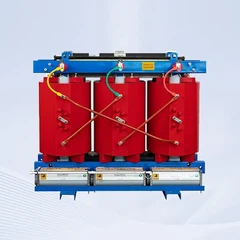
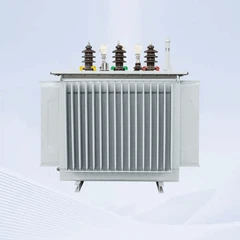
1. Insulating medium: Oil-type transformers use oil as the insulating medium, while dry-type transformers use solid insulating materials (usually insulating paper) or resin as the insulating medium. Oil-type transformers have better insulation properties and can better dissipate heat during high loads and long-term operation, but they also require regular maintenance. Dry-type transformers do not require maintenance oil and have less impact on the environment.
2. Cooling method: Oil-type transformers usually use natural cooling or forced air cooling systems to dissipate heat through the cooling oil in the cooling system; dry-type transformers usually use natural ventilation or forced air cooling systems to dissipate heat through air.
3. Safety: Since oil-type transformers use oil as the insulating medium, once leakage or short circuit occurs, it may cause fire or explosion. Because dry-type transformers use solid insulating materials, they are friendly to the environment and human safety and are less likely to cause fires.
4. Scope of application: Due to the good insulation performance of oil-type transformers, they are usually widely used in high-voltage and large-capacity situations, such as power systems and large industrial equipment. Dry-type transformers are usually used in medium and low voltage and small equipment, such as buildings, ships and computer equipment, because they are safer, more environmentally friendly and easier to maintain.
The appropriate transformer type needs to be selected based on specific actual needs and usage environment.
Send Inquiry