


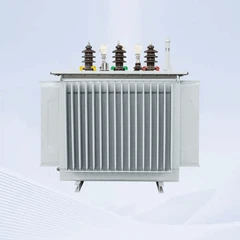






What Is The Difference Between Oil-filled And Dry-type Transformers?
Aug 06, 2025
Leave a message
What is the difference between oil-filled and dry-type transformers?
The main difference is their cooling method: dry-type transformers use air (often enhanced with fans), while oil-filled transformers use oil for cooling and insulation. This leads to differences in application, safety, maintenance, cost, and efficiency, with dry-type transformers favored for safety in indoor, fire-prone areas like large buildings, and oil-filled transformers chosen for higher voltage and power applications due to their greater efficiency and lower operating costs.

Dry-Type Transformers
Advantages:
Safer.Eliminate the fire hazard associated with oil.
Lower Maintenance.No oil to test or filter, leading to simpler maintenance.
Environmentally Friendly.No risk of oil leaks or spills.
Installation.Lower installation costs.
Applications:
Ideal for low and medium-voltage applications in environments requiring fire and explosion prevention, such as indoor commercial spaces, high-rise buildings, and high-voltage settings.
Oil-Filled Transformers
Advantages:
Higher Efficiency.Offer better insulation and heat dissipation, leading to higher power density and efficiency.
Lower Operating Costs.Conventional energy efficiency and longer lifespan reduce ongoing operational expenses.
Versatility.Can handle a wide range of capacities and voltages, including very high levels.
Applications:
Used for high-voltage and high-power applications, typically outdoors for large-scale power transmission and distribution systems.
Send Inquiry