


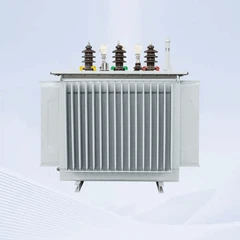





Why Do Oil-type Transformers Need Maintenance?
Mar 30, 2024
Leave a message
1. Prevent transformer from overload operation. If it is overloaded for a long time, it will cause the coil to heat up, gradually aging the insulation, causing short circuits between boxes, phase short circuits or ground short circuits and oil decomposition.
2. Ensure the quality of insulating oil. During storage, transportation or operation and maintenance of transformer insulating oil, if the oil quality is poor or there are too many impurities and moisture, the insulation strength will be reduced. When the insulation strength is reduced to a certain value, the transformer will short-circuit and cause sparks, arcs or dangerous temperatures. Therefore, the oil quality of the transformer should be tested regularly during operation, and unqualified oil should be replaced in time.
3. Prevent transformer core insulation from aging and damage. Aging of the iron core insulation or damage to the clamping bolt sleeve will cause large eddy currents in the iron core, causing long-term heating of the iron core and aging of the insulation.
4. Prevent inadvertent damage to the insulation during maintenance. When overhauling the hanging core of the transformer, attention should be paid to protecting the coil or insulating sleeve. If any scratch damage is found, it should be dealt with in time.
5. Make sure the wires are in good contact. Poor contact between the internal connectors of the coils, the connection points between the coils, the contacts leading to the high and low voltage side bushings, and the fulcrum points on the tap changer will cause local overheating, damage to the insulation, and short circuit or open circuit. The high-temperature arc generated at this time will decompose the insulating oil, produce a large amount of gas, and increase the pressure inside the transformer. When the pressure exceeds the protection setting value of the gas breaker without tripping, an explosion will occur.
6. Protect against electric shock. The power supply of power transformers generally comes from overhead lines, and overhead lines are easily struck by lightning, and the transformer will burn due to breakdown of insulation.
7. Short circuit protection must be reliable. If the transformer coil or load is short-circuited, the transformer will bear a considerable short-circuit current. If the protection system fails or the protection setting is too large, the transformer may be burned. For this reason, reliable short-circuit protection must be installed.
8. Stay well grounded. For low-voltage systems that adopt protective zero connection, the neutral point on the low-voltage side of the transformer must be directly grounded. When the three-phase load is unbalanced, current will appear on the neutral line. When this current is too large and the contact resistance is large, high temperatures will occur at the grounding point, igniting surrounding combustible materials.
9. Prevent overheating. Temperature changes should be monitored when the transformer is operating. If the transformer coil wire is Class A insulated, the insulator is mainly paper and cotton yarn. The temperature has a great impact on the insulation and service life. For every 8°C increase in temperature, the insulation life will be reduced by about 50%. The transformer operates at a normal temperature of 90°C and has a service life of about 20 years; if the temperature rises to 105°C, the lifespan is 7 years; if the temperature rises to 120°C, the lifespan is only 2 years. Therefore, when the transformer is running, good ventilation and cooling must be maintained. If necessary, forced ventilation can be used to reduce the temperature rise of the transformer.
Send Inquiry