









How to check the oil level in an oil - immersed three - phase power transformer?
Jul 28, 2026
Leave a message
As a supplier of three - phase power transformers, I understand the importance of proper maintenance for these crucial electrical devices. One of the key maintenance tasks is checking the oil level in an oil - immersed three - phase power transformer. In this blog, I'll guide you through the process step by step.
Why is Checking the Oil Level Important?
Oil - immersed three - phase power transformers use oil for insulation and cooling. The oil helps to prevent electrical arcing between the transformer's windings and dissipates heat generated during operation. An improper oil level can lead to several problems. If the oil level is too low, it may expose the windings, increasing the risk of electrical breakdown and overheating. On the other hand, an excessively high oil level can cause the oil to spill out when the transformer heats up, leading to environmental contamination and potential safety hazards.
Pre - Check Preparations
Before you start checking the oil level, you need to take some safety precautions. First, make sure the transformer is de - energized. This is essential to avoid the risk of electric shock. Wear appropriate personal protective equipment (PPE), including safety glasses, gloves, and a safety helmet. Also, gather the necessary tools, such as a flashlight and a clean cloth.
Locating the Oil Level Indicator
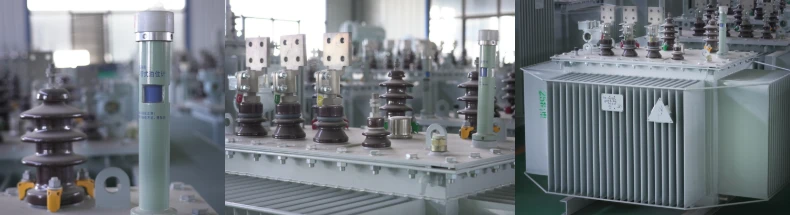
Most oil - immersed three - phase power transformers are equipped with an oil level indicator. This indicator can be a sight glass or a float - type gauge. The sight glass is a transparent window on the side of the transformer tank, allowing you to directly observe the oil level. The float - type gauge, on the other hand, has a float that rises and falls with the oil level, and a pointer on the outside of the tank shows the corresponding level.
Checking the Oil Level
Using a Sight Glass
If your transformer has a sight glass, follow these steps:
- Clean the sight glass with a clean cloth to ensure a clear view. Dirt and grime on the glass can make it difficult to accurately determine the oil level.
- Use a flashlight to illuminate the sight glass, especially in low - light conditions.
- Observe the oil level. There are usually markings on the sight glass indicating the minimum and maximum oil levels. The oil level should be between these two marks. If the oil level is below the minimum mark, it indicates a potential problem, such as an oil leak. If it is above the maximum mark, it may be due to over - filling or a temperature - related expansion issue.
Using a Float - Type Gauge
For a float - type gauge:
- Check the position of the pointer on the gauge. The pointer should indicate a level within the normal operating range.
- If the pointer is not moving freely or seems stuck, it may be a sign of a mechanical problem with the gauge. In this case, further inspection or replacement of the gauge may be required.
-

-

Additional Checks
In addition to checking the oil level, it's also important to inspect the oil for any signs of contamination or degradation. Look for discoloration, cloudiness, or the presence of debris in the oil. If the oil appears dirty or has an unusual odor, it may need to be sampled and analyzed in a laboratory to determine its condition.
What to Do if the Oil Level is Incorrect
Low Oil Level
If the oil level is low, first check for any visible signs of oil leaks, such as oil stains around the transformer tank or on the ground beneath it. If a leak is detected, it should be repaired as soon as possible. Once the leak is fixed, you can add oil to the transformer. Use only the type of oil recommended by the transformer manufacturer. It's important to add the oil slowly and carefully, and re - check the oil level after each addition to avoid over - filling.
High Oil Level
If the oil level is high, it may be due to over - filling or a temperature - related expansion. If it's due to over - filling, you can carefully drain some oil until the level is within the normal range. However, if the high level is caused by temperature expansion, you need to monitor the situation closely. As the transformer cools down, the oil level should return to normal.
Our Product Range
At our company, we offer a wide range of three - phase power transformers to meet different customer needs. For example, we have the 35kv Power Transformer, which is suitable for medium - voltage applications. Our Substation Power Transformer is designed for use in electrical substations, providing reliable power distribution. The 400kVA 10KV On Load Tap Changer Electric Transformer allows for voltage regulation during operation. We also have the 33 - 38kV Oil - immersed Power Transformer and the 200 MVA three - phase oil immersed power transformer for high - power applications.
Contact Us for Purchase
If you are in the market for a high - quality three - phase power transformer, we are here to assist you. Our team of experts can provide you with detailed product information, technical support, and competitive pricing. We are committed to delivering reliable and efficient transformers to meet your specific requirements. Whether you need a small - scale transformer for a local project or a large - capacity transformer for an industrial application, we have the right solution for you. Contact us today to start the purchasing process and discuss your needs.
References
- Electrical Power Transformer Engineering by Turan Gonen
- Transformer Maintenance and Testing by EPRI (Electric Power Research Institute)
Send Inquiry