





How to optimize the design of Amorphous Metal Transformers for better performance?
Jun 27, 2025
Leave a message
As a supplier of Amorphous Metal Transformers, I've witnessed firsthand the remarkable evolution of this technology and its growing importance in the power distribution sector. Amorphous metal transformers offer significant advantages over traditional transformers, such as lower core losses, reduced energy consumption, and a smaller carbon footprint. However, to fully capitalize on these benefits, it's essential to optimize their design for better performance. In this blog post, I'll share some key strategies and considerations for achieving this goal.
Understanding the Basics of Amorphous Metal Transformers
Before delving into optimization strategies, let's briefly review the fundamentals of amorphous metal transformers. These transformers use amorphous metal alloy cores, which have a disordered atomic structure compared to the crystalline structure of traditional silicon steel cores. This unique structure results in lower hysteresis and eddy current losses, making amorphous metal transformers more energy - efficient.
The core is the heart of a transformer, and in amorphous metal transformers, the core material's properties play a crucial role in determining overall performance. The amorphous metal alloy is typically made of iron, boron, and silicon, and it is produced by rapidly cooling a molten metal alloy. This rapid cooling process freezes the atoms in a random arrangement, giving the material its unique magnetic properties.
Core Design Optimization
One of the primary areas for optimization in amorphous metal transformers is the core design. The shape, size, and construction of the core can significantly impact the transformer's performance.
- Core Shape: The most common core shapes for amorphous metal transformers are the C - core and the wound - core. The wound - core design, in particular, offers several advantages. It provides a continuous magnetic path, which reduces magnetic leakage and improves the efficiency of the transformer. Additionally, the wound - core design allows for a more compact and lightweight transformer, which is beneficial for both installation and transportation.
- Core Size: Determining the optimal core size is crucial for balancing performance and cost. A larger core can handle higher power loads, but it also increases the cost and size of the transformer. On the other hand, a smaller core may result in higher losses and reduced performance. Therefore, it's important to carefully analyze the specific requirements of the application and select the appropriate core size accordingly.
- Core Lamination: The lamination of the amorphous metal core also affects the transformer's performance. Thinner laminations can reduce eddy current losses, but they also increase the manufacturing complexity and cost. A balance must be struck between reducing losses and maintaining cost - effectiveness.
Winding Design Optimization
The winding design of an amorphous metal transformer is another critical aspect that can be optimized for better performance.
- Winding Material: The choice of winding material is important for minimizing resistance and maximizing conductivity. Copper is a popular choice due to its high conductivity and low resistance. However, aluminum can also be used in some applications, especially when cost is a major consideration. Aluminum is lighter and less expensive than copper, but it has a slightly lower conductivity.
- Winding Configuration: The winding configuration, such as the number of turns and the arrangement of the windings, can impact the transformer's voltage regulation, efficiency, and impedance. For example, a well - designed winding configuration can reduce the voltage drop across the transformer and improve the power factor.
- Insulation: Proper insulation of the windings is essential for preventing short - circuits and ensuring the long - term reliability of the transformer. High - quality insulation materials, such as epoxy resin or paper - based insulation, should be used to provide adequate protection.
Cooling System Optimization
Efficient cooling is vital for maintaining the performance and longevity of amorphous metal transformers.
- Natural Cooling vs. Forced Cooling: Amorphous metal transformers can be cooled using natural convection or forced air or oil circulation. Natural cooling is a simple and cost - effective option for small - to medium - sized transformers. However, for larger transformers or those operating in high - temperature environments, forced cooling may be necessary. Forced cooling systems, such as fans or oil pumps, can remove heat more effectively and prevent the transformer from overheating.
- Cooling Channel Design: The design of the cooling channels in the transformer can also impact the cooling efficiency. Well - designed cooling channels ensure that the coolant (air or oil) can flow freely around the core and windings, removing heat effectively.
Thermal Management
Proper thermal management is closely related to the cooling system but also encompasses other aspects of heat control in the transformer.
- Thermal Monitoring: Installing temperature sensors in the transformer can help monitor the temperature of the core and windings. This allows for early detection of overheating issues and enables timely maintenance or adjustment of the cooling system.
- Thermal Protection Devices: Over - temperature protection devices, such as thermal switches or fuses, can be installed to automatically shut down the transformer in case of excessive heat. This helps prevent damage to the transformer and ensures the safety of the electrical system.
Application - Specific Optimization
Different applications have different requirements for amorphous metal transformers. For example:
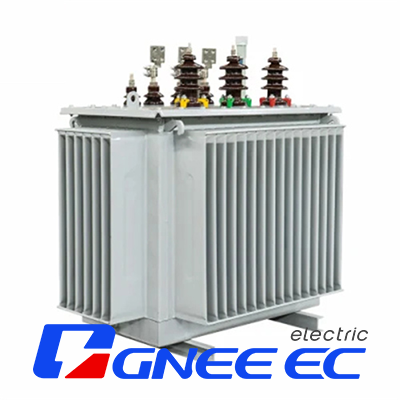
- Industrial Applications: In industrial settings, transformers may need to handle high - power loads and operate continuously. Therefore, they require robust designs with high efficiency and reliability. Amorphous Alloy Power Transformers are well - suited for these applications, as they can provide stable power supply with low losses.
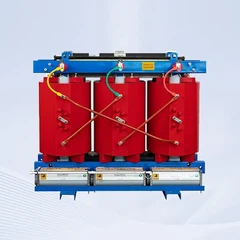
- Residential Applications: For residential use, transformers need to be compact, quiet, and energy - efficient. SHC(B) Amorphous Alloy Dry Type Distribution Transformer is an ideal choice for residential power distribution, as it offers low noise levels and high energy efficiency.
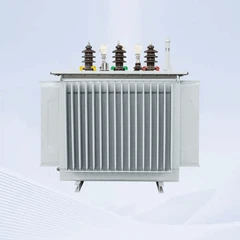
- Renewable Energy Applications: In renewable energy systems, such as solar or wind power plants, transformers need to be able to handle variable power inputs. Amorphous metal transformers can adapt well to these variable loads due to their low losses and high efficiency. Amorphous Oil - Immersed Transformer can be used in these applications to step up or step down the voltage as required.
Conclusion
Optimizing the design of amorphous metal transformers is a multi - faceted process that involves core design, winding design, cooling system design, and thermal management. By carefully considering these aspects and tailoring the design to the specific application, we can achieve better performance, higher efficiency, and longer service life.
As a supplier of amorphous metal transformers, we are committed to providing high - quality products that meet the diverse needs of our customers. If you are interested in learning more about our products or have specific requirements for your power distribution project, we encourage you to contact us for a detailed discussion and procurement negotiation.

References
- "Transformer Engineering: Design, Technology, and Diagnostics" by G. Sarma
- "Handbook of Electric Power Calculations" by H. H. Woodruff
- Industry research reports on amorphous metal transformer technology and applications.
Send Inquiry