







What are the requirements for the oil circulation system of an oil - immersed transformer?
Jun 27, 2025
Leave a message
As a well - established supplier of oil - immersed transformers, I understand the critical role that the oil circulation system plays in the overall performance and longevity of these essential electrical devices. In this blog, I will delve into the key requirements for the oil circulation system of an oil - immersed transformer.
1. Adequate Cooling Capacity
The primary function of the oil circulation system in an oil - immersed transformer is to dissipate the heat generated during the transformer's operation. Transformers convert electrical energy, and in the process, some energy is lost in the form of heat. If this heat is not removed efficiently, it can lead to a significant increase in the temperature of the transformer's windings and core, which may damage the insulation and ultimately reduce the transformer's lifespan.
To ensure adequate cooling, the oil circulation system must be designed to maintain the temperature of the transformer within acceptable limits. This typically means keeping the hottest spot in the windings below a certain temperature, usually around 95 - 110 degrees Celsius, depending on the type of insulation used. The system should be able to transfer heat from the core and windings to the radiator or cooling fins, where it can be dissipated into the surrounding environment.
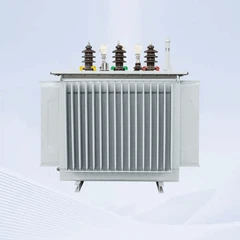
For example, larger transformers may require forced - oil circulation systems, where pumps are used to circulate the oil more rapidly through the transformer and the cooling equipment. This helps to increase the heat transfer rate and ensures that the transformer remains cool even under heavy load conditions. Our China 5mva Oil Immersed Distribution Transformer Manufacturer offers a range of transformers with well - designed oil circulation systems to meet different cooling requirements.
2. Clean and Dry Oil
The quality of the oil in the circulation system is of utmost importance. The oil serves not only as a coolant but also as an insulator. Contaminated or wet oil can significantly reduce the insulation properties of the transformer and increase the risk of electrical breakdown.
The oil should be free from impurities such as dirt, moisture, and dissolved gases. Moisture, in particular, can have a detrimental effect on the insulation. Even a small amount of water in the oil can lower its dielectric strength and increase the likelihood of partial discharges. To maintain the cleanliness and dryness of the oil, the circulation system often includes filters and dehydrators.
Filters are used to remove solid particles from the oil, while dehydrators help to remove moisture. Regular oil testing is also essential to monitor the quality of the oil. If the oil quality deteriorates, it may need to be replaced or purified. Our 250kVA Oil Immersed Rectifier Transformer models are equipped with advanced oil filtration and purification systems to ensure the long - term health of the transformer.
3. Proper Sealing
A well - sealed oil circulation system is necessary to prevent oil leakage and the ingress of air and moisture. Oil leakage not only leads to a loss of coolant but can also pose a safety hazard, especially in areas where there is a risk of fire.
The seals used in the transformer, including gaskets and O - rings, must be made of high - quality materials that can withstand the temperature and chemical conditions inside the transformer. Regular inspections should be carried out to check for any signs of oil leakage or seal deterioration.
In addition, the oil tank should be designed to prevent the entry of moisture and air. This can be achieved by using breather systems that filter the air entering the tank and remove moisture. The breather typically contains a desiccant, such as silica gel, which absorbs moisture from the incoming air.
4. Compatibility with Transformer Components
The oil used in the circulation system must be compatible with all the components of the transformer, including the insulation materials, conductors, and seals. Incompatible oil can cause chemical reactions that may damage the components over time.
For example, some types of insulation materials may be sensitive to certain additives or contaminants in the oil. The oil should also be able to maintain its physical and chemical properties over a wide range of temperatures. This ensures that the oil circulation system can operate effectively under different environmental conditions.
Our S9 - M 6 - 10kv Oil Immersed Transformer is designed with careful consideration of oil - component compatibility to ensure reliable long - term operation.
5. Monitoring and Control
An effective oil circulation system should be equipped with monitoring and control devices. These devices help to ensure that the system is operating within the desired parameters and can detect any potential problems early.
Temperature sensors are commonly used to monitor the temperature of the oil and the windings. If the temperature exceeds a certain limit, an alarm can be triggered, and appropriate actions can be taken, such as reducing the load on the transformer or increasing the cooling capacity.


Flow sensors can also be installed to monitor the flow rate of the oil. A decrease in the flow rate may indicate a blockage in the system or a problem with the pump. Pressure sensors can be used to monitor the pressure in the oil circulation system, which can help to detect leaks or other issues.
6. Safety Features
Safety is a top priority when it comes to the oil circulation system of an oil - immersed transformer. The system should be designed to prevent over - pressure and over - temperature conditions, which can lead to dangerous situations such as oil explosions or fires.
Pressure relief devices, such as explosion vents, are installed in the transformer tank to release excess pressure in case of an internal fault. These vents are designed to open at a predetermined pressure, preventing the tank from rupturing.
In addition, fire - prevention measures should be in place. This may include the use of fire - resistant oil, installation of fire - detection systems, and proper placement of the transformer in a fire - safe area.
Conclusion
In conclusion, the oil circulation system of an oil - immersed transformer is a complex and critical component that requires careful design, installation, and maintenance. Meeting the requirements of adequate cooling, clean and dry oil, proper sealing, compatibility with components, monitoring and control, and safety features is essential for the reliable and long - term operation of the transformer.
If you are in the market for high - quality oil - immersed transformers with well - designed oil circulation systems, we invite you to contact us for more information and to discuss your specific requirements. Our team of experts is ready to assist you in finding the right solution for your needs.
References
- Electrical Power Transformer Engineering: Design and Application by L. E. Berlingeri
- Transformer Engineering: Design, Technology, and Diagnostics by G. C. Swarup
Send Inquiry