





How to optimize the design of dry transformers?
Jul 18, 2025
Leave a message
Hey there! As a supplier of dry transformers, I've been in the game for quite a while now. Over the years, I've learned a thing or two about optimizing the design of these bad boys. So, I thought I'd share some tips and tricks with you all.
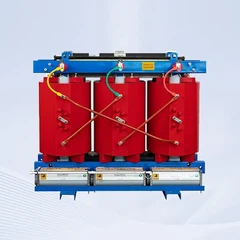
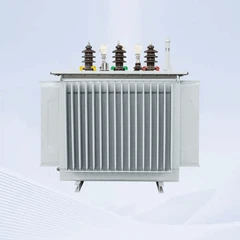
First off, let's talk about what dry transformers are. These are transformers that use air or a dry dielectric material as the cooling medium, instead of oil. They're commonly used in industrial and commercial applications where safety, reliability, and low maintenance are key.
One of the most important aspects of optimizing the design of dry transformers is to ensure that they're energy-efficient. This means minimizing the amount of energy that's lost during the transformation process. One way to do this is by using high-quality core materials, such as grain-oriented electrical steel. These materials have low core losses, which means they can convert electrical energy more efficiently.
Another way to improve energy efficiency is by reducing the resistance of the windings. This can be achieved by using larger cross-sectional areas of copper or aluminum wire. Additionally, using a lower number of turns in the windings can also help to reduce resistance and improve efficiency.
In addition to energy efficiency, it's also important to consider the thermal performance of dry transformers. These transformers generate heat during operation, and if this heat isn't dissipated properly, it can lead to premature failure. To optimize thermal performance, it's important to design the transformer with adequate ventilation and cooling channels. This can help to ensure that the heat is dissipated effectively and that the transformer operates at a safe temperature.
Another factor to consider when optimizing the design of dry transformers is the insulation system. The insulation system is responsible for preventing electrical breakdown and ensuring the safety and reliability of the transformer. To optimize the insulation system, it's important to use high-quality insulation materials that are resistant to heat, moisture, and chemicals. Additionally, the insulation system should be designed to provide adequate electrical clearance and creepage distances to prevent arcing and other electrical problems.
Now, let's talk about some specific design features that can help to optimize the performance of dry transformers. One such feature is the use of a modular design. A modular design allows for easy installation, maintenance, and replacement of components. This can help to reduce downtime and maintenance costs, while also improving the overall reliability of the transformer.
Another design feature to consider is the use of a low-noise design. Dry transformers can generate noise during operation, which can be a nuisance in some applications. To reduce noise levels, it's important to use low-noise core materials and to design the transformer with proper vibration isolation.
Finally, let's talk about some of the products we offer as a dry transformer supplier. We offer a wide range of dry transformers, including OEM ODM 3 Phase 22kv Industrial Dry Type Transformer, 100KVA/10KV Epoxy Resin Cast Dry-type Transformer, and Double High-Voltage Dry-Type Transformer. These transformers are designed to meet the specific needs of our customers and are built to the highest standards of quality and reliability.


If you're in the market for a dry transformer, I encourage you to get in touch with us. We'd be happy to discuss your specific requirements and help you find the right transformer for your application. Whether you're looking for a standard product or a custom-designed solution, we have the expertise and experience to meet your needs.
In conclusion, optimizing the design of dry transformers is all about finding the right balance between energy efficiency, thermal performance, insulation system, and other design features. By following the tips and tricks outlined in this blog post, you can ensure that your dry transformers operate at peak performance and provide reliable service for years to come. So, if you're looking to improve the performance of your dry transformers, don't hesitate to contact us. We're here to help!
References:
- Electrical Power Transformer Engineering by Turan Gönen
- Transformer Engineering: Design, Technology, and Diagnostics by J. C. Das
Send Inquiry