





What is the transportation and storage requirements for a 75 kva dry type transformer?
Jul 18, 2025
Leave a message
As a supplier of 75 kVA dry type transformers, I understand the importance of proper transportation and storage to ensure the optimal performance and longevity of these critical electrical devices. In this blog post, I'll delve into the specific requirements for transporting and storing a 75 kVA dry type transformer, providing valuable insights for both industry professionals and potential customers.
Transportation Requirements
Packaging
Before transportation, the 75 kVA dry type transformer must be carefully packaged to protect it from physical damage, moisture, and other environmental factors. The transformer should be placed in a sturdy wooden or metal crate that is designed to withstand the rigors of transportation. Inside the crate, the transformer should be secured with shock - absorbing materials such as foam or rubber pads to prevent movement during transit.
The packaging should also include a moisture - proof barrier, such as a plastic liner, to prevent water from seeping into the transformer. Additionally, desiccant bags can be placed inside the crate to absorb any moisture that may be present.
Handling
During loading and unloading, the 75 kVA dry type transformer should be handled with extreme care. It is recommended to use appropriate lifting equipment, such as cranes or forklifts, that are capable of safely lifting the weight of the transformer. The lifting points on the transformer should be clearly marked, and the lifting equipment should be attached to these points to ensure a balanced and stable lift.
When moving the transformer, it should be kept in an upright position at all times to prevent damage to the internal components. Avoid any sudden jerks or impacts, as these can cause internal parts to shift or become damaged.


Transportation Mode
The choice of transportation mode depends on several factors, including the distance, the destination, and the availability of transportation infrastructure. For short - distance transportation, trucks are often the most convenient option. However, when transporting over longer distances or across international borders, other modes such as rail or sea may be more suitable.
If transporting by truck, ensure that the vehicle is in good condition and has a flatbed or a well - secured trailer. The transformer should be properly tied down to prevent it from moving during transit. When transporting by rail or sea, the transformer should be loaded into a container that meets the relevant safety standards.
Environmental Conditions
During transportation, the 75 kVA dry type transformer should be protected from extreme environmental conditions. High temperatures, humidity, and exposure to direct sunlight can all have a negative impact on the performance and lifespan of the transformer. If possible, choose a transportation route that avoids areas with extreme weather conditions.
In addition, the transformer should be protected from dust and dirt, which can accumulate on the surface of the transformer and affect its cooling efficiency. If the transformer is being transported in an open vehicle, it should be covered with a tarpaulin or other protective material.
Storage Requirements
Storage Location
The storage location for a 75 kVA dry type transformer should be dry, clean, and well - ventilated. The area should be free from any sources of moisture, such as leaks or standing water. A concrete floor is ideal, as it provides a stable and moisture - resistant surface.
The storage location should also be protected from direct sunlight, as prolonged exposure to sunlight can cause the temperature of the transformer to rise and potentially damage the insulation. If possible, store the transformer in an enclosed building or a covered storage area.
Temperature and Humidity
The temperature and humidity in the storage area should be carefully controlled. The recommended temperature range for storing a 75 kVA dry type transformer is between - 20°C and 40°C. High humidity can cause moisture to condense on the surface of the transformer, which can lead to corrosion and electrical insulation problems.
To maintain the appropriate humidity level, a dehumidifier can be used in the storage area. Additionally, the storage area should be regularly monitored to ensure that the temperature and humidity levels remain within the recommended range.
Stacking and Placement
When storing multiple 75 kVA dry type transformers, they should be stacked in a stable and safe manner. Ensure that the transformers are not over - stacked, as this can cause damage to the bottom transformers. Each transformer should be placed on a flat and level surface, and there should be sufficient space between the transformers to allow for proper ventilation.
It is also important to keep the transformers away from any sources of vibration or mechanical stress, as these can cause damage to the internal components.
Inspection and Maintenance
Regular inspection and maintenance are essential during the storage period. Before storing the transformer, it should be thoroughly inspected for any signs of damage or wear. During storage, the transformer should be inspected periodically to check for any changes in its condition, such as signs of corrosion or moisture.
If any issues are detected, they should be addressed immediately to prevent further damage. Additionally, the transformer should be maintained according to the manufacturer's recommendations, which may include tasks such as cleaning the surface, checking the connections, and testing the insulation resistance.
Related Products
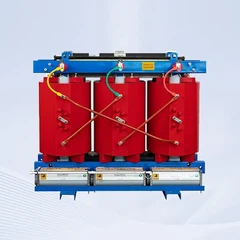
If you are interested in other dry - type transformers, we also offer a range of high - quality products. For example, you can check out our 125kVA 10kV 0.4kV Dry Type Transformer, 125KVA No - Excitation Dry - type Transformer, and 125KVA Three Phase Electrical Dry Type Voltage Transformer.
Conclusion
Proper transportation and storage are crucial for maintaining the quality and performance of a 75 kVA dry type transformer. By following the transportation and storage requirements outlined in this blog post, you can ensure that your transformer arrives at its destination in good condition and remains in optimal working order during storage.
If you are in the market for a 75 kVA dry type transformer or have any questions about transportation and storage, please feel free to contact us for more information and to discuss your specific requirements. We are committed to providing high - quality products and excellent customer service.
References
- Electrical Power Transformer Engineering: Design and Practice by L. Gyugyi, B. Kasztenny
- Transformer Handbook: A Practical Technology Guide by John D. McDonald
Send Inquiry