







How to optimize the economic operation of a unit substation transformer?
Sep 24, 2025
Leave a message
Optimizing the economic operation of a unit substation transformer is a critical aspect for businesses aiming to reduce costs, enhance efficiency, and ensure reliable power supply. As a trusted supplier of Unit Substation Transformers, I have witnessed firsthand the impact of proper optimization on the overall performance of electrical systems. In this blog, I will share some valuable insights and strategies to help you achieve optimal economic operation of your unit substation transformer.
Understanding the Basics of Unit Substation Transformer Operation
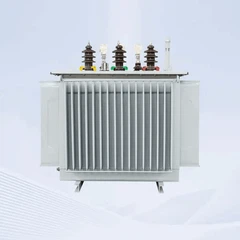
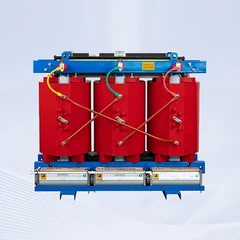
Before delving into optimization strategies, it is essential to have a solid understanding of how unit substation transformers work. A unit substation transformer is a crucial component in an electrical distribution system that steps down high-voltage electricity from the power grid to a lower voltage suitable for use in industrial, commercial, or residential settings. The transformer consists of a primary winding, a secondary winding, and a core made of laminated steel. When an alternating current flows through the primary winding, it creates a magnetic field that induces a voltage in the secondary winding, allowing for the transfer of electrical energy at a different voltage level.
Factors Affecting the Economic Operation of Unit Substation Transformers
Several factors can influence the economic operation of unit substation transformers. These include:
- Load Profile: The load profile refers to the pattern of electrical demand over time. Understanding the load profile of your facility is crucial for determining the appropriate size and capacity of the transformer. A transformer that is oversized for the load will operate inefficiently, leading to higher energy losses and increased costs. On the other hand, an undersized transformer may not be able to meet the electrical demand, resulting in overheating and potential equipment failure.
- Transformer Efficiency: Transformer efficiency is a measure of how effectively the transformer converts electrical energy from the primary winding to the secondary winding. Higher efficiency transformers have lower energy losses, which can result in significant cost savings over the life of the transformer. When selecting a transformer, it is important to consider the efficiency ratings and choose a transformer with the highest efficiency possible.
- Power Factor: Power factor is a measure of how effectively electrical power is being used in a system. A low power factor indicates that a significant portion of the electrical power is being wasted, resulting in higher energy costs. Improving the power factor of your electrical system can reduce energy losses and improve the overall efficiency of the transformer.
- Maintenance and Monitoring: Regular maintenance and monitoring of the transformer are essential for ensuring its reliable operation and maximizing its lifespan. Proper maintenance includes tasks such as oil sampling, insulation resistance testing, and visual inspections. Monitoring the transformer's performance parameters, such as temperature, voltage, and current, can help detect potential issues early and prevent costly breakdowns.
Strategies for Optimizing the Economic Operation of Unit Substation Transformers
Based on the factors mentioned above, here are some strategies that can help you optimize the economic operation of your unit substation transformer:
- Right-Sizing the Transformer: Conduct a thorough load analysis to determine the actual electrical demand of your facility. Based on the load analysis, select a transformer with the appropriate size and capacity. Avoid over-sizing the transformer, as this can lead to increased energy losses and higher costs.
- Selecting High-Efficiency Transformers: When purchasing a new transformer, choose a transformer with high efficiency ratings. High-efficiency transformers have lower energy losses, which can result in significant cost savings over the life of the transformer. Look for transformers that meet or exceed industry standards for efficiency, such as the DOE (Department of Energy) efficiency standards in the United States.
- Improving Power Factor: Implement measures to improve the power factor of your electrical system. This can include installing power factor correction capacitors, which can help reduce the reactive power demand and improve the overall power factor. Improving the power factor can reduce energy losses and lower your electricity bills.
- Implementing Energy Management Systems: Install an energy management system (EMS) to monitor and control the electrical consumption of your facility. An EMS can provide real-time data on energy usage, allowing you to identify areas of high energy consumption and implement energy-saving measures. It can also help you optimize the operation of your transformer by adjusting the load based on the electrical demand.
- Regular Maintenance and Monitoring: Establish a regular maintenance schedule for your transformer and ensure that it is followed diligently. Regular maintenance can help detect potential issues early and prevent costly breakdowns. In addition, implement a monitoring system to continuously monitor the performance parameters of the transformer. This can help you identify any abnormal operating conditions and take corrective actions promptly.
Case Studies and Examples
To illustrate the effectiveness of these optimization strategies, let's take a look at some real-world case studies:
Case Study 1: Industrial Facility
An industrial facility was experiencing high energy costs due to an oversized transformer and a low power factor. The facility conducted a load analysis and determined that the transformer was significantly oversized for the actual electrical demand. Based on the load analysis, the facility replaced the transformer with a smaller, high-efficiency transformer. In addition, the facility installed power factor correction capacitors to improve the power factor. As a result, the facility was able to reduce its energy consumption by 15% and save thousands of dollars in electricity bills.
Case Study 2: Commercial Building
A commercial building was facing frequent transformer failures and high maintenance costs. The building management implemented a regular maintenance schedule for the transformer and installed a monitoring system to continuously monitor its performance parameters. The monitoring system detected a potential issue with the transformer's insulation resistance, which was addressed promptly through maintenance. As a result, the building was able to prevent a major breakdown and reduce its maintenance costs.
Conclusion
Optimizing the economic operation of a unit substation transformer is a complex but achievable goal. By understanding the factors that affect the economic operation of transformers and implementing the strategies outlined in this blog, you can reduce energy losses, lower your electricity bills, and ensure the reliable operation of your electrical system. As a supplier of Unit Substation Transformers, I am committed to helping my customers optimize the economic operation of their transformers. If you have any questions or need further assistance, please do not hesitate to contact me for procurement discussions.


References
- "Transformer Energy Efficiency: A Guide for Industrial and Commercial Users." U.S. Department of Energy.
- "Power Factor Correction: Principles and Applications." Electrical Engineering Portal.
- "Maintenance and Monitoring of Power Transformers." IEEE Transactions on Power Delivery.
Send Inquiry