







What are the installation requirements for an oil - immersed transformer?
Sep 24, 2025
Leave a message
Hey there! As a supplier of oil-immersed transformers, I often get asked about the installation requirements for these crucial pieces of equipment. In this blog post, I'll break down the key factors you need to consider when installing an oil-immersed transformer.
Site Selection
First off, choosing the right site is super important. The location should be well-ventilated to prevent the build-up of heat. Oil-immersed transformers generate a fair amount of heat during operation, and proper ventilation helps dissipate this heat. You don't want to install it in a cramped, enclosed space where the heat can't escape.
The site also needs to be level. A transformer that's not installed on a level surface can cause uneven stress on the components, which might lead to premature wear and tear. Plus, it could affect the oil circulation inside the transformer.
Another thing to keep in mind is the proximity to other equipment and structures. You need to maintain a safe distance from flammable materials and other electrical equipment. This reduces the risk of fire and electrical interference. For example, if there are any gas pipelines or fuel storage tanks nearby, you've got to make sure there's enough space between them and the transformer.
Foundation Requirements
Once you've picked the right site, it's time to focus on the foundation. The foundation must be strong enough to support the weight of the transformer. Oil-immersed transformers can be pretty heavy, especially the larger ones. You might need to consult an engineer to design a suitable foundation based on the specific model and size of the transformer you're installing.
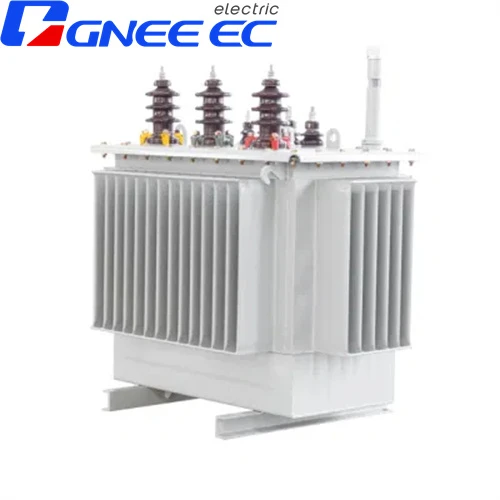

The foundation should also be made of a non-combustible material. This is a safety measure in case of a fire. Concrete is a popular choice for transformer foundations because it's strong, durable, and non-combustible.
Electrical Connections
Making the right electrical connections is crucial for the proper functioning of the transformer. You need to ensure that the incoming and outgoing cables are the correct size and type. Using cables that are too small can lead to overheating and voltage drops, which can damage the transformer and other connected equipment.
The connections should be tight and secure. Loose connections can cause arcing, which is not only dangerous but can also damage the transformer's terminals. You might want to use torque wrenches to make sure the connections are tightened to the recommended specifications.
It's also important to follow the electrical codes and standards when making the connections. These codes are in place to ensure the safety of the installation and the people working around it.
Oil Handling
Oil is a vital part of an oil-immersed transformer. It acts as a coolant and an insulator. When installing the transformer, you need to handle the oil carefully. Make sure the oil is clean and free from contaminants. Contaminated oil can reduce the transformer's efficiency and lifespan.
You also need to have a proper oil storage and handling system in place. This includes having the right containers for storing the oil and the necessary equipment for filling and draining the transformer.
Protection and Monitoring Devices
Installing protection and monitoring devices is essential for the safety and reliability of the transformer. These devices can detect faults such as overcurrent, overvoltage, and temperature abnormalities.
Overcurrent relays can trip the circuit breaker if the current flowing through the transformer exceeds a certain limit. This protects the transformer from damage due to excessive current.
Temperature sensors can monitor the temperature of the oil and the windings. If the temperature gets too high, an alarm can be triggered, and the transformer can be shut down to prevent damage.
Testing and Commissioning
Before putting the transformer into operation, you need to conduct a series of tests. These tests include insulation resistance tests, turns ratio tests, and polarity tests. These tests help ensure that the transformer is functioning properly and that all the connections are correct.
Once the tests are completed and everything checks out, you can commission the transformer. This involves gradually energizing the transformer and monitoring its performance.
Specific Product Considerations
If you're interested in our range of oil-immersed transformers, we have some great options. For example, our 30 - 2500KVA/10KV Oil-immersed Three-phase Double-winding Non-excited Voltage Regulating Distribution Transformer is perfect for smaller to medium-sized distribution networks. It's reliable and efficient, and it meets all the necessary installation requirements we've discussed.
Our 6300 - 42200KVA Large Capacity Outdoor Oil-immersed Power Transformer is designed for high-capacity power transmission and distribution. It's built to withstand the rigors of outdoor use and requires careful installation to ensure optimal performance.
And if you're looking for an energy-efficient option, our Amorphous Metal Core Oil-immersed Transformers are a great choice. They use advanced technology to reduce energy losses and are suitable for a variety of applications.
Conclusion
Installing an oil-immersed transformer is a complex process that requires careful planning and attention to detail. By following the installation requirements we've discussed, you can ensure the safe and reliable operation of the transformer.
If you're in the market for an oil-immersed transformer or have any questions about the installation process, don't hesitate to get in touch. We're here to help you make the right choice and ensure a smooth installation.
References
- Electrical Safety Codes and Standards
- Transformer Manufacturer's Installation Manuals
- Industry Best Practices for Transformer Installation
Send Inquiry