





How to prevent the aging of substation power transformers?
Sep 03, 2025
Leave a message
How to Prevent the Aging of Substation Power Transformers?
As a supplier of Substation Power Transformers, I understand the critical role these transformers play in the power grid. Substation power transformers are the heart of electrical substations, responsible for stepping up or stepping down voltage levels to ensure efficient power transmission and distribution. However, like all electrical equipment, transformers are subject to aging, which can lead to reduced performance, increased maintenance costs, and even catastrophic failures. In this blog post, I will share some effective strategies to prevent the aging of substation power transformers.
1. Regular Maintenance and Inspection
Regular maintenance and inspection are the cornerstones of preventing transformer aging. By conducting routine checks, we can detect early signs of wear and tear, insulation degradation, and other potential issues before they escalate into major problems.
- Oil Analysis: Transformer oil serves as both an insulator and a coolant. Regular oil analysis can provide valuable information about the condition of the transformer. Parameters such as dissolved gas analysis (DGA), moisture content, and dielectric strength can indicate the presence of internal faults or insulation degradation. For example, an increase in the concentration of certain gases, such as methane, ethane, or acetylene, may suggest overheating or arcing inside the transformer.
- Insulation Resistance Testing: Insulation resistance testing measures the resistance of the transformer's insulation system. A decrease in insulation resistance can indicate moisture ingress, contamination, or insulation degradation. By performing this test regularly, we can monitor the condition of the insulation and take appropriate measures to prevent further deterioration.
- Visual Inspection: Visual inspection of the transformer can reveal physical damage, such as cracks in the tank, leaks, or loose connections. Inspecting the bushings, radiators, and cooling fans can also help identify potential issues. For instance, damaged bushings can lead to electrical flashovers, while malfunctioning cooling fans can cause overheating.
2. Proper Cooling and Ventilation
Maintaining proper cooling and ventilation is essential for preventing transformer aging. Transformers generate heat during operation, and excessive heat can accelerate insulation degradation and reduce the lifespan of the transformer.
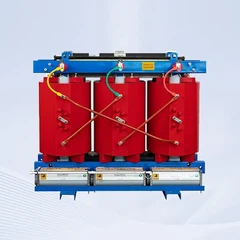
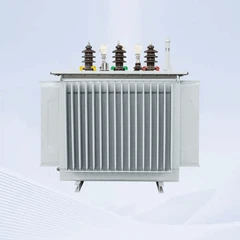
- Cooling Systems: There are several types of cooling systems available for substation power transformers, including oil-immersed cooling, air-cooled, and water-cooled systems. The choice of cooling system depends on factors such as the transformer's rating, location, and environmental conditions. For example, oil-immersed transformers are commonly used in large substations, as they provide efficient cooling and insulation.
- Ventilation: Adequate ventilation is necessary to remove heat from the transformer and prevent the buildup of hot air. Transformer enclosures should be designed with proper ventilation openings to ensure good air circulation. In addition, the surrounding environment should be free from obstructions that could impede ventilation.
3. Load Management
Proper load management is crucial for preventing transformer aging. Overloading a transformer can cause excessive heat generation, which can damage the insulation and reduce the lifespan of the transformer.
- Load Monitoring: Regularly monitoring the transformer's load is essential for ensuring that it operates within its rated capacity. By using load monitoring devices, we can track the transformer's load profile and identify periods of high demand. This information can be used to adjust the load or schedule maintenance during off-peak hours.
- Load Balancing: Load balancing involves distributing the electrical load evenly across multiple transformers or phases. This helps to prevent overloading of individual transformers and ensures that they operate efficiently. Load balancing can be achieved through the use of automatic load transfer switches or by adjusting the tap settings of the transformers.
4. Protection and Monitoring Systems
Installing protection and monitoring systems can help prevent transformer aging by detecting and responding to potential faults in a timely manner.
- Overcurrent Protection: Overcurrent protection devices, such as fuses and circuit breakers, are designed to protect the transformer from excessive current flow. These devices can automatically disconnect the transformer from the power supply in the event of a short circuit or overload, preventing damage to the transformer.
- Overvoltage Protection: Overvoltage protection devices, such as surge arresters, are used to protect the transformer from voltage surges caused by lightning strikes or switching operations. These devices can divert the excess voltage to the ground, preventing damage to the transformer's insulation.
- Condition Monitoring Systems: Condition monitoring systems use sensors and advanced analytics to continuously monitor the condition of the transformer. These systems can detect early signs of aging, such as insulation degradation, overheating, or mechanical stress, and provide real-time alerts to maintenance personnel. By using condition monitoring systems, we can take proactive measures to prevent transformer failures and extend the lifespan of the transformer.
5. Quality of Materials and Manufacturing
The quality of materials and manufacturing processes used in the construction of the transformer can have a significant impact on its lifespan.
- Insulation Materials: High-quality insulation materials are essential for preventing insulation degradation and ensuring the long-term reliability of the transformer. Insulation materials should have good electrical and thermal properties, as well as resistance to moisture, chemicals, and mechanical stress.
- Manufacturing Standards: Transformers should be manufactured in accordance with international standards and best practices. This includes using proper manufacturing techniques, conducting rigorous quality control tests, and following strict safety regulations. By ensuring that the transformers are manufactured to high standards, we can reduce the risk of premature aging and failures.
6. Environmental Considerations
The environment in which the transformer operates can also affect its aging process. Factors such as temperature, humidity, pollution, and seismic activity can all have an impact on the transformer's performance and lifespan.
- Temperature and Humidity: High temperatures and humidity can accelerate insulation degradation and reduce the lifespan of the transformer. Transformers should be installed in a location with a stable temperature and humidity environment. In addition, proper ventilation and cooling systems should be used to maintain the temperature within the recommended range.
- Pollution: Pollution, such as dust, dirt, and chemicals, can contaminate the transformer's insulation and cooling system, leading to reduced performance and increased maintenance costs. Transformers should be installed in a clean environment, and regular cleaning and maintenance should be performed to remove any contaminants.
- Seismic Activity: In areas prone to seismic activity, transformers should be designed and installed to withstand earthquakes. This includes using seismic-resistant mounting systems, reinforcing the transformer structure, and ensuring that the electrical connections are secure.
In conclusion, preventing the aging of substation power transformers requires a comprehensive approach that includes regular maintenance and inspection, proper cooling and ventilation, load management, protection and monitoring systems, quality of materials and manufacturing, and environmental considerations. By implementing these strategies, we can extend the lifespan of the transformers, reduce maintenance costs, and ensure the reliable operation of the power grid.
If you are interested in learning more about our Substation Power Transformers or have any questions about preventing transformer aging, please feel free to contact us for a detailed discussion and procurement negotiation. We offer a wide range of products, including Compact Substation, Electrical Substation, and European Box Type Substation, to meet your specific needs.


References
- IEEE Std C57.104™-2008, IEEE Guide for the Interpretation of Gases Generated in Oil-Immersed Transformers.
- IEC 60076-1:2011, Power transformers - Part 1: General.
- ANSI C57.12.00-2010, Standard General Requirements for Liquid-Immersed Distribution, Power, and Regulating Transformers.
Send Inquiry