





How to protect a three - phase power transformer from dust?
Aug 25, 2025
Leave a message
As a supplier of three - phase power transformers, I understand the crucial role these devices play in electrical systems. One of the significant threats to their performance and longevity is dust. Dust accumulation can lead to various issues such as overheating, insulation breakdown, and reduced efficiency. In this blog, I will share some effective ways to protect a three - phase power transformer from dust.
Understanding the Impact of Dust on Three - Phase Power Transformers
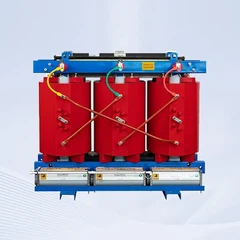
Before delving into the protection methods, it's essential to understand how dust affects three - phase power transformers. Dust particles can settle on the transformer's windings, core, and cooling fins. When dust accumulates on the windings, it acts as an insulator, preventing the efficient dissipation of heat. This can cause the temperature of the transformer to rise, leading to accelerated aging of the insulation materials and potentially resulting in a short - circuit.
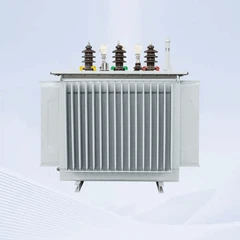
On the cooling fins, dust can block the airflow, reducing the cooling efficiency of the transformer. As a result, the transformer has to work harder to maintain its operating temperature, which increases energy consumption and may also lead to premature failure. Additionally, dust can carry moisture and contaminants, which can corrode the internal components of the transformer over time.
1. Enclosure Design
One of the primary ways to protect a three - phase power transformer from dust is through proper enclosure design. A well - designed enclosure can prevent dust from entering the transformer and damaging its internal components.
Sealed Enclosures: Sealed enclosures are an effective solution for protecting transformers from dust. These enclosures are designed to prevent the ingress of dust and other contaminants. They are typically made of materials such as steel or aluminum and are sealed using gaskets or seals. Sealed enclosures can be used in both indoor and outdoor applications. For example, our 12 MVA Three Phase Power Transformer can be equipped with a high - quality sealed enclosure to ensure maximum dust protection.
Filtered Vents: In some cases, it may be necessary to allow airflow into the enclosure for cooling purposes. In such situations, filtered vents can be used. Filtered vents are designed to allow air to enter the enclosure while preventing dust particles from passing through. The filters can be made of various materials, such as fiberglass or synthetic fibers, and can be easily replaced when they become clogged. This is a cost - effective way to protect the transformer while still maintaining proper ventilation.
2. Installation Location
The location where the three - phase power transformer is installed can also have a significant impact on its dust exposure.


Indoor Installation: Installing the transformer indoors is one of the best ways to protect it from dust. Indoor environments are generally cleaner than outdoor environments and are less likely to be exposed to high levels of dust. However, it's important to ensure that the indoor space is well - ventilated and free from dust - generating activities. If possible, the transformer should be installed in a dedicated room or area that is isolated from other sources of dust, such as manufacturing processes or construction sites.
Outdoor Installation: If outdoor installation is unavoidable, the transformer should be installed in a location that is protected from dust sources. For example, it should be placed away from roads, construction sites, and industrial areas where dust levels are likely to be high. Additionally, the transformer can be installed on a raised platform to prevent dust from accumulating around it.
3. Regular Cleaning and Maintenance
Regular cleaning and maintenance are essential for keeping a three - phase power transformer free from dust.
External Cleaning: The exterior of the transformer should be cleaned regularly to remove any dust or dirt that has accumulated on the surface. This can be done using a soft brush or a compressed air blower. When using a compressed air blower, it's important to ensure that the air pressure is not too high, as this could damage the transformer's components.
Internal Inspection: In addition to external cleaning, the transformer should also undergo regular internal inspections. This involves opening the enclosure and inspecting the internal components for dust accumulation. If dust is found, it can be removed using a vacuum cleaner or a soft brush. It's important to follow the manufacturer's guidelines when performing internal inspections to ensure the safety of the maintenance personnel.
4. Dust - Monitoring Systems
Implementing dust - monitoring systems can help in detecting dust accumulation in the transformer at an early stage.
Particle Sensors: Particle sensors can be installed inside the transformer enclosure to monitor the concentration of dust particles in the air. These sensors can provide real - time data on the dust levels, allowing for timely maintenance and cleaning. If the dust levels exceed a certain threshold, an alarm can be triggered, indicating that the transformer needs to be cleaned.
Thermal Imaging: Thermal imaging can also be used to detect dust - related issues in the transformer. Dust accumulation on the windings or cooling fins can cause uneven heating, which can be detected using thermal imaging cameras. By regularly performing thermal imaging inspections, potential problems can be identified and addressed before they cause significant damage to the transformer.
5. Use of Dust - Repellent Coatings
Applying dust - repellent coatings to the transformer's internal and external components can help in reducing dust adhesion.
Anti - Static Coatings: Anti - static coatings can be applied to the surfaces of the transformer to prevent dust particles from being attracted to them. These coatings work by reducing the electrostatic charge on the surface, which makes it less likely for dust to stick. Anti - static coatings are particularly useful for protecting the windings and other sensitive components of the transformer.
Hydrophobic Coatings: Hydrophobic coatings can also be used to repel dust. These coatings create a water - repellent surface, which prevents dust from adhering to the surface. Additionally, hydrophobic coatings can also help in preventing moisture from accumulating on the transformer, which can further reduce the risk of corrosion.
Conclusion
Protecting a three - phase power transformer from dust is crucial for ensuring its reliable operation and longevity. By implementing the strategies mentioned above, such as proper enclosure design, careful installation location, regular cleaning and maintenance, dust - monitoring systems, and the use of dust - repellent coatings, the risk of dust - related damage can be significantly reduced.
As a leading supplier of three - phase power transformers, we offer a wide range of products, including the 200kVA American Box - Type Combination Transformer and the S11 Double - winding Fully Sealed Oil - immersed Power Transformer, which are designed to meet the highest standards of dust protection. If you are interested in learning more about our products or need assistance in protecting your three - phase power transformer from dust, please feel free to contact us for a consultation. We are committed to providing you with the best solutions for your power transformer needs.
References
- Electrical Power Transformer Engineering, by Theodore Wildi
- Handbook of Transformer Technology: Design and Application, by George E. McPherson and Robert D. Laramore
Send Inquiry