







How to select a step - down power transformer for a specific load?
Aug 05, 2025
Leave a message
Selecting a step - down power transformer for a specific load is a critical decision that requires careful consideration of multiple factors. As a step - down power transformer supplier, I have witnessed firsthand the importance of making the right choice to ensure the efficient and safe operation of electrical systems. In this blog, I will share some key points to help you select the most suitable step - down power transformer for your specific load.
Understanding the Load Requirements
The first step in selecting a step - down power transformer is to thoroughly understand the load requirements. This involves determining the power rating, voltage levels, and load characteristics of the equipment or system that the transformer will be powering.
Power Rating
The power rating of the load is typically measured in kilowatts (kW) or kilovolt - amperes (kVA). It represents the amount of electrical power that the load consumes. To select an appropriate transformer, you need to ensure that its rated power capacity is sufficient to handle the load. It is generally recommended to choose a transformer with a power rating that is at least 10 - 20% higher than the maximum expected load. This provides a safety margin to account for future load growth and potential inrush currents. For example, if your load has a maximum power requirement of 100 kVA, a transformer with a rating of 110 - 120 kVA would be a suitable choice.
Voltage Levels
Determine the input and output voltage requirements of the load. The input voltage is the voltage available from the power source, while the output voltage is the voltage required by the load. Step - down transformers are designed to reduce the input voltage to a lower output voltage. Make sure that the transformer's input and output voltage specifications match the requirements of your load. Common input voltages include 11 kV, 35 kV, etc., and common output voltages are 400 V, 230 V, etc.
Load Characteristics
Consider the nature of the load, whether it is resistive, inductive, or capacitive. Resistive loads, such as heaters and incandescent lamps, have a relatively simple power - consumption pattern. Inductive loads, like motors and transformers, require additional reactive power during startup and operation. Capacitive loads, such as capacitor banks, can improve the power factor of the system. Different load characteristics may affect the transformer's performance and efficiency. For inductive loads, a transformer with a higher kVA rating may be needed to handle the reactive power.
Transformer Types and Their Features
There are several types of step - down power transformers available, each with its own features and applications.
Oil - Immersed Step - Down Power Transformers
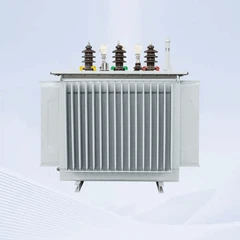
Oil - immersed transformers are widely used in medium - to large - scale power distribution systems. They offer high efficiency, good heat dissipation, and long service life. The oil in the transformer acts as an insulating and cooling medium. For example, our 125kVA Oil Immersed Step Down Power Transformer is designed to provide reliable power conversion for various industrial and commercial applications. It is suitable for outdoor use and can withstand harsh environmental conditions.
Dry - Type Step - Down Power Transformers
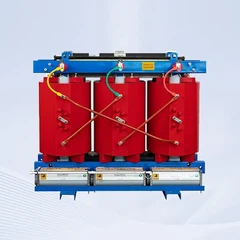
Dry - type transformers are commonly used in indoor applications where there is a concern about fire safety. They do not use oil for insulation and cooling, which eliminates the risk of oil spills and fires. Dry - type transformers are more compact and easier to install compared to oil - immersed transformers. They are often used in commercial buildings, hospitals, and data centers.
High - Voltage Power Transformers
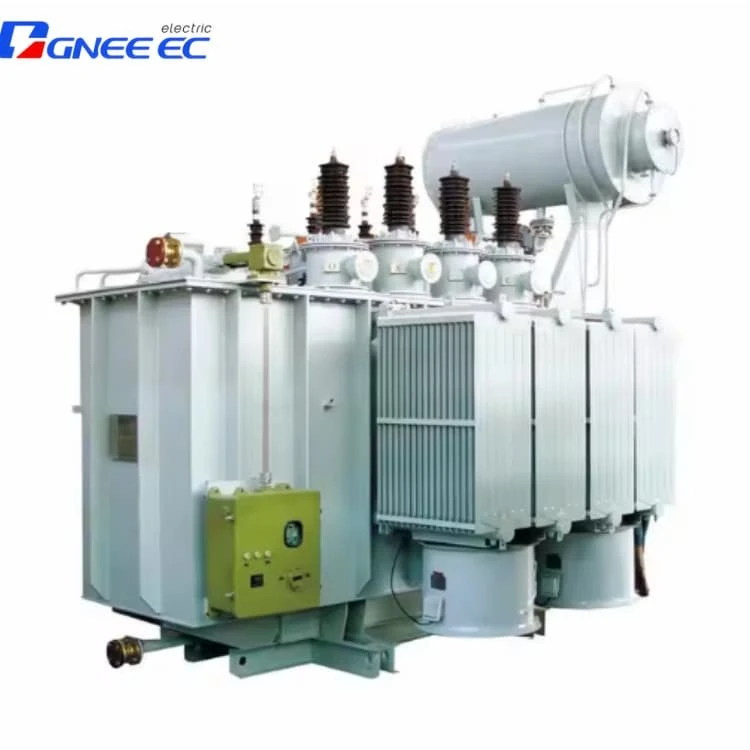
High - voltage power transformers are used to step down high - voltage power from the transmission network to a lower voltage for distribution. Our S11 - 35KV 4000kVA High Voltage Power Transformer is a high - quality product designed for high - voltage applications. It features advanced insulation technology and low losses, ensuring efficient power transmission.
Fully Sealed Power Transformers
Fully sealed power transformers, such as our S13 Series Fully Sealed Power Transformer, are designed to prevent the entry of moisture and dust. They are suitable for use in harsh environments and require minimal maintenance. The fully sealed design also helps to reduce noise levels during operation.
Efficiency and Losses
Efficiency is an important factor to consider when selecting a step - down power transformer. Transformer losses include copper losses and iron losses. Copper losses occur in the transformer windings due to the resistance of the copper conductors. Iron losses, also known as core losses, are caused by the magnetization and demagnetization of the transformer core.
A more efficient transformer will have lower losses, which means less energy is wasted as heat. This not only reduces operating costs but also helps to minimize the environmental impact. Look for transformers with high - efficiency ratings, such as those that meet international standards like IEEE or IEC.
Cooling Method
The cooling method of a transformer affects its performance and lifespan. Different cooling methods are suitable for different applications.
Natural Air Cooling (AN)
Natural air cooling is the simplest and most cost - effective cooling method. It relies on natural convection to dissipate heat from the transformer. This method is suitable for small - to medium - sized transformers with relatively low power ratings.
Forced Air Cooling (AF)
Forced air cooling uses fans to blow air over the transformer windings, increasing the cooling efficiency. This method is suitable for transformers with higher power ratings or those operating in hot environments.
Oil Cooling
Oil - cooled transformers use oil as a cooling medium. The oil absorbs heat from the transformer windings and transfers it to the radiator, where it is dissipated into the atmosphere. Oil cooling is commonly used in large - scale power transformers.
Other Considerations
Sound Level
If the transformer will be installed in a noise - sensitive area, such as a residential neighborhood or a hospital, consider the sound level of the transformer. Some transformers are designed with low - noise features to minimize their impact on the surrounding environment.
Maintenance Requirements
Different transformers have different maintenance requirements. Oil - immersed transformers may require periodic oil sampling and testing, as well as inspection of the oil level and condition. Dry - type transformers generally require less maintenance but still need to be inspected regularly for dust and dirt accumulation.
Safety Features
Ensure that the transformer has appropriate safety features, such as over - current protection, over - voltage protection, and temperature protection. These features help to prevent damage to the transformer and ensure the safety of the electrical system.
Conclusion
Selecting the right step - down power transformer for a specific load is a complex process that requires careful consideration of load requirements, transformer types, efficiency, cooling method, and other factors. As a step - down power transformer supplier, we are committed to providing high - quality products that meet the diverse needs of our customers. If you are in the process of selecting a step - down power transformer for your specific load, we encourage you to contact us for professional advice and guidance. Our team of experts will work with you to understand your requirements and recommend the most suitable transformer for your application.

References
- IEEE C57.12.00 - 2010, Standard General Requirements for Liquid - Immersed Distribution, Power, and Regulating Transformers.
- IEC 60076 - 1:2011, Power transformers - Part 1: General.
- Electric Power Distribution Handbook, by Dugan, McGranaghan, and Beaty.
Send Inquiry