





What are the environmental impacts of power transformers?
Sep 17, 2025
Leave a message
Power transformers are indispensable components in the electrical power system, playing a crucial role in voltage transformation and power transmission. As a power transformer supplier, I am well - aware of the significance of these devices in the modern world. However, it is equally important to understand their environmental impacts. This blog post aims to explore the various environmental aspects associated with power transformers.
1. Manufacturing Phase
The manufacturing process of power transformers has several environmental implications. First, the extraction of raw materials is a significant concern. Transformers are primarily made of copper, steel, and insulating materials such as oil or solid - state insulators.
The mining of copper and iron ore for steel production is an energy - intensive process. It often involves large - scale open - pit or underground mining, which can lead to habitat destruction, soil erosion, and water pollution. For example, acid mine drainage from copper mines can contaminate nearby water sources, harming aquatic life and making water unfit for human use.
In addition, the production of these raw materials generates a substantial amount of greenhouse gas emissions. The steel industry, in particular, is one of the largest emitters of carbon dioxide globally. The energy required for smelting and refining these metals comes mainly from fossil fuels, contributing to climate change.
Moreover, the manufacturing facilities themselves consume a large amount of energy. The assembly, testing, and finishing processes of power transformers require electricity, which is often generated from non - renewable sources. This further adds to the carbon footprint of the manufacturing phase.
2. Operation Phase
During the operation of power transformers, there are both direct and indirect environmental impacts.
2.1 Energy Losses
Power transformers are not 100% efficient. They experience energy losses in the form of heat, which are mainly due to core losses (hysteresis and eddy current losses) and copper losses. These losses mean that more electricity needs to be generated to meet the same load requirements. Since a significant portion of global electricity generation still relies on fossil fuels, the inefficiencies in transformers indirectly contribute to increased greenhouse gas emissions.
For example, older transformers may have relatively high energy losses. Upgrading to more efficient models, such as our S13 Series Fully Sealed Power Transformer, can significantly reduce these losses and, in turn, lower the environmental impact associated with electricity generation.
2.2 Insulating Fluids
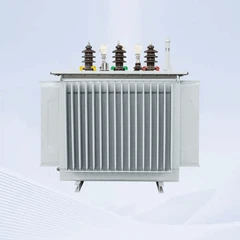
Many power transformers use oil as an insulating and cooling medium. Mineral oil, which is commonly used, can pose a significant environmental risk if it leaks. Oil spills from transformers can contaminate soil and water bodies. The spilled oil can smother plants, harm aquatic organisms, and disrupt the ecological balance of the affected area.
Some older transformers may have used polychlorinated biphenyls (PCBs) as insulating fluids. PCBs are highly toxic and persistent organic pollutants. Although the use of PCBs has been banned in many countries, there are still some old transformers in service that may contain these substances. If these transformers leak or are not properly disposed of, PCBs can enter the environment and cause long - term health and environmental problems.
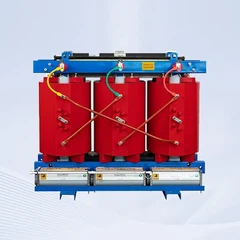
On the other hand, there are also non - oil - based insulating materials available, such as synthetic esters and solid - state insulators. These materials are more environmentally friendly as they are biodegradable and have a lower risk of causing pollution in case of a spill. Our company offers a range of transformers with different insulating options to meet the environmental requirements of our customers.
2.3 Noise Pollution
Power transformers can generate noise during operation. The noise is mainly caused by the vibration of the core and the cooling fans. In urban and residential areas, excessive noise from transformers can be a nuisance to the local population. It can disrupt sleep, cause stress, and have a negative impact on the quality of life.
To mitigate noise pollution, modern transformers are designed with noise - reducing features. For example, the use of better - quality core materials and advanced cooling systems can help reduce the noise levels. We ensure that our transformers, including the 8000 Kva Distribution Power Transformer, are designed to meet strict noise standards.
3. End - of - Life Phase
When power transformers reach the end of their useful life, proper disposal is essential to minimize environmental impacts.
3.1 Recycling
Transformers contain valuable materials such as copper, steel, and insulating materials. Recycling these materials can reduce the need for new raw material extraction and lower the environmental impact associated with manufacturing. However, the recycling process of transformers is complex, especially when dealing with insulating fluids and potentially hazardous substances.
For example, the recycling of oil - filled transformers requires careful handling of the oil to prevent pollution. The oil needs to be properly treated or disposed of, and the metal components need to be separated and recycled. Our company promotes the recycling of end - of - life transformers and can provide guidance on proper recycling procedures to our customers.
3.2 Landfill Disposal
If not recycled, transformers may end up in landfills. This is not an ideal option as it can lead to the release of hazardous substances into the environment over time. For example, the insulating oil may seep into the soil and contaminate groundwater. Additionally, the large size of transformers takes up a significant amount of landfill space.
4. Mitigation Strategies
As a power transformer supplier, we are committed to minimizing the environmental impacts of our products.
4.1 Energy - Efficient Design
We invest in research and development to improve the energy efficiency of our transformers. By using advanced materials and design techniques, we can reduce core losses and copper losses, thereby lowering the energy consumption during operation. Our 33 - 38kV Oil - immersed Power Transformer is designed with high - efficiency features to meet the growing demand for energy - saving solutions.
4.2 Environmentally Friendly Insulating Materials
We offer transformers with a variety of insulating materials, including non - oil - based options. These materials are not only more environmentally friendly but also have excellent insulating and cooling properties. By promoting the use of these materials, we can reduce the risk of oil spills and pollution.


4.3 Recycling Programs
We work with recycling partners to ensure that end - of - life transformers are properly recycled. We also provide support to our customers in terms of recycling procedures and regulations. This helps to close the loop and reduce the environmental impact associated with the disposal of transformers.
5. Conclusion
Power transformers have significant environmental impacts throughout their life cycle, from manufacturing to end - of - life disposal. As a power transformer supplier, we recognize the importance of addressing these issues. By focusing on energy - efficient design, the use of environmentally friendly materials, and proper recycling, we can minimize the environmental footprint of our products.
If you are interested in learning more about our environmentally friendly power transformers or have any procurement needs, please feel free to contact us. We are ready to provide you with high - quality products and solutions that meet both your technical requirements and environmental concerns.
References
- International Energy Agency. (2023). Transformer Energy Efficiency: A Key to Sustainable Power Systems.
- United Nations Environment Programme. (2022). Guidelines for the Management of Electrical and Electronic Waste, including Power Transformers.
- IEEE Standards Association. (2021). IEEE Standards for Power Transformers and Their Environmental Impact Assessment.
Send Inquiry