





What are the insulation materials used in a compact substation transformer?
Jul 03, 2025
Leave a message
Hey there! As a supplier of Compact Substation Transformers, I often get asked about the insulation materials used in these nifty pieces of equipment. So, I thought I'd take a few minutes to break it down for you.
First off, let's talk about why insulation is so important in a compact substation transformer. You see, transformers work by transferring electrical energy from one circuit to another through electromagnetic induction. But this process generates a whole lot of heat. If that heat isn't managed properly, it can damage the transformer's components and even lead to a complete failure. That's where insulation comes in. It helps to keep the heat in check and prevents electrical arcing, which can be extremely dangerous.
Now, let's dive into the different types of insulation materials commonly used in compact substation transformers.
Mineral Oil
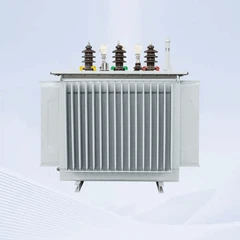
Mineral oil is one of the most traditional and widely used insulation materials in transformers. It's a great conductor of heat, which means it can effectively transfer the heat generated by the transformer to the cooling system. This helps to keep the transformer's temperature under control and extends its lifespan.
Another advantage of mineral oil is its excellent electrical insulation properties. It can withstand high voltages without breaking down, which is crucial for the safe and efficient operation of the transformer. Plus, it's relatively inexpensive and easy to maintain.
However, mineral oil does have a few drawbacks. It's flammable, which means there's a risk of fire if the transformer leaks or malfunctions. And if it spills into the environment, it can cause pollution. That's why many modern transformers are now using alternative insulation materials.
Synthetic Esters
Synthetic esters are a newer type of insulation material that's gaining popularity in the transformer industry. They're made from a combination of organic compounds and have several advantages over mineral oil.
One of the biggest benefits of synthetic esters is their high fire resistance. Unlike mineral oil, they're non-flammable, which makes them a much safer option for transformers. They also have excellent biodegradability, which means they're less harmful to the environment if they spill.
In terms of performance, synthetic esters are comparable to mineral oil. They have good electrical insulation properties and can effectively transfer heat. They're also more resistant to oxidation and aging, which means they can last longer and require less maintenance.
However, synthetic esters are more expensive than mineral oil, which can be a deterrent for some customers. And they may require special handling and storage procedures, which can add to the overall cost.
Natural Esters
Natural esters are another alternative to mineral oil. They're made from renewable resources, such as vegetable oils, and have several environmental benefits.
Like synthetic esters, natural esters are non-flammable and biodegradable. They also have good electrical insulation properties and can effectively transfer heat. And because they're made from renewable resources, they're a more sustainable option than mineral oil.
However, natural esters have some limitations. They're more prone to oxidation and hydrolysis than synthetic esters, which means they may require more frequent maintenance. And they may not be suitable for all applications, especially those that require high-temperature operation.
Solid Insulation Materials
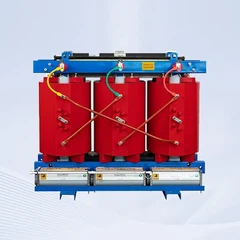
In addition to liquid insulation materials, some compact substation transformers also use solid insulation materials. These materials are typically made from polymers, such as epoxy resin or fiberglass, and are used to insulate the transformer's windings and other components.


Solid insulation materials have several advantages. They're non-flammable, which makes them a safe option for transformers. They're also resistant to moisture and chemicals, which can help to protect the transformer from damage. And they can be designed to have specific electrical and mechanical properties, which makes them suitable for a wide range of applications.
However, solid insulation materials can be more expensive than liquid insulation materials. And they may require more complex manufacturing processes, which can add to the overall cost.
Conclusion
So, there you have it! Those are some of the most common insulation materials used in compact substation transformers. Each material has its own advantages and disadvantages, and the choice of insulation material will depend on several factors, such as the application, the operating environment, and the budget.
As a supplier of Compact Substation Transformers, we offer a range of options to meet our customers' needs. Whether you're looking for a traditional mineral oil transformer or a more advanced synthetic ester or solid insulation transformer, we can help you find the right solution.
If you're interested in learning more about our products or have any questions about insulation materials, please don't hesitate to [contact us for a purchase discussion]. We'd be happy to help you find the perfect transformer for your needs.
References
- "Transformer Insulation Materials: A Review" by X. Chen, et al.
- "Advantages and Disadvantages of Different Insulation Materials for Transformers" by Y. Zhang, et al.
- "The Use of Natural Esters in Transformers" by R. L. McShane, et al.
Unit Substation: /substation-transformer/unit-substation.html
33kV Prefabricated Compact Substation: /substation-transformer/33kv-prefabricated-compact-substation.html
Power Substation: /substation-transformer/power-substation.html
Send Inquiry