







What are the insulation resistance requirements for pole mounted transformers?
May 30, 2025
Leave a message
Hey there, folks! I'm from a pole mounted transformers supplier, and today, I wanna talk about something super important - the insulation resistance requirements for pole mounted transformers. It's crucial stuff if you want your transformers to work well and stay safe for a long time.


First off, let's get into why insulation resistance matters so much. You see, a pole mounted transformer has a job to transfer electrical energy from one circuit to another. And the insulation inside the transformer plays a key role in making sure that this transfer happens smoothly and safely. It stops the electrical current from leaking out where it shouldn't, protecting both the transformer itself and also the people and equipment around it.
Now, when we talk about insulation resistance requirements, there are some standards that we've gotta follow. These standards are like a set of rules that tell us what the insulation resistance of a transformer should be at different times - when it's new, when it's in use, and during maintenance checks.
For a brand - new pole mounted transformer, the insulation resistance should be pretty high. This is because the insulation materials are fresh, without any wear and tear or damage. Generally, we're looking at values in the mega - ohm range. A high insulation resistance at this stage is a sign that the insulation is working as it should be, and it can effectively prevent electrical leakage.
But as the transformer starts operating, things can change. Over time, factors like temperature, humidity, and electrical stress can start to affect the insulation. For example, high temperatures can cause the insulation materials to age faster. When the insulation ages, its resistance tends to drop. That's why we need to regularly check the insulation resistance of in - service transformers.
We do these checks at specific intervals, like once a year or even more frequently if the transformer is in a harsh environment. When we measure the insulation resistance of an in - service transformer, we expect it to be still within an acceptable range. If the resistance drops too low, it could be a sign of insulation problems, such as moisture ingress, physical damage, or chemical degradation.
There are different ways to measure the insulation resistance of a pole mounted transformer. One common method is using an insulation resistance tester. This is a handy tool that sends a small, safe electrical current through the insulation and then measures the resistance. It gives us a numerical value that we can use to assess the condition of the insulation.
Now, let's take a look at some of the different types of pole mounted transformers and how the insulation resistance requirements might vary for them.
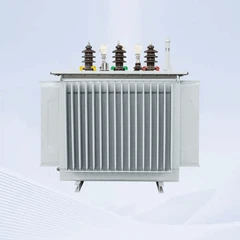
We have the Oil Immersed Single Phase Pole Mounted Transformer. In these transformers, the insulation is not only made up of solid materials but also has oil as an insulating medium. The oil helps to improve the insulation performance and also provides cooling. The insulation resistance requirements for these transformers need to take into account the quality of the oil. If the oil gets contaminated or its properties change, it can affect the overall insulation resistance.
Then there's the Single Phase Pole Mounted Transformer. This type is widely used in residential and small - commercial areas. The insulation resistance requirements for single - phase transformers are designed to ensure reliable power supply to these areas. A low insulation resistance in a single - phase transformer could lead to power outages or even electrical hazards.
Another popular type is the 50 KVA 120/240V Power Pole Transformer. This transformer has a specific power capacity and voltage rating, and its insulation resistance needs to meet the standards for this particular configuration. Higher power transformers usually have more stringent insulation resistance requirements because they handle more electrical energy.
So, what happens if the insulation resistance of a pole mounted transformer doesn't meet the requirements? Well, it can be a big problem. A low insulation resistance can lead to electrical leakage, which not only wastes energy but also poses a safety risk. It can cause short - circuits, overheating, and even fires in extreme cases.
When we detect that the insulation resistance is too low, we have to take action. Sometimes, simple measures like drying out the insulation or cleaning the transformer can solve the problem. In other cases, we might need to replace the insulation materials or even the whole transformer if the damage is too severe.
As a pole mounted transformers supplier, we're committed to making sure that all our products meet the highest insulation resistance requirements. We use high - quality insulation materials in the manufacturing process and perform strict quality control checks. We also provide guidance to our customers on how to maintain the insulation resistance of their transformers.
Regular maintenance is key here. Customers should follow a proper maintenance schedule, which includes insulation resistance tests. And if they notice any abnormal readings or signs of problems, they should contact us right away.
We also keep up with the latest industry standards and research on insulation resistance requirements. New technologies and materials are constantly emerging, which can improve the insulation performance of pole mounted transformers. We work hard to incorporate these advancements into our products, so that our customers get the best - performing and safest transformers.
If you're in the market for pole mounted transformers or need advice on insulation resistance requirements, don't hesitate to reach out. Whether you're a utility company looking for reliable transformers for your power network, or a business owner in need of a transformer for your small business, we can help. We have a wide range of pole mounted transformers to meet different needs, and we can offer personalized solutions based on your specific requirements.
In conclusion, understanding and meeting the insulation resistance requirements for pole mounted transformers is vital for the reliable operation and safety of the electrical systems. We, as a supplier, are here to support you every step of the way, from choosing the right transformer to ensuring its long - term performance. So, let's work together to keep your power flowing safely and efficiently!
References
- IEEE Standards for Power Transformers Insulation Resistance Testing
- ANSI/NEMA Publications on electrical equipment insulation requirements
- Manufacturer's Handbook for Pole Mounted Transformers
Send Inquiry