





How to properly ground a pole distribution transformer?
May 30, 2025
Leave a message
Hey there! As a supplier of pole distribution transformers, I've seen firsthand how crucial proper grounding is for these essential pieces of equipment. In this blog post, I'm gonna break down the ins and outs of grounding a pole distribution transformer, sharing some practical tips and best practices along the way.
First things first, why is grounding so important for a pole distribution transformer? Well, grounding serves several key functions. It helps protect the transformer, as well as the surrounding electrical system, from electrical faults. When a fault occurs, such as a short - circuit, proper grounding provides a low - resistance path for the fault current to flow safely into the ground. This reduces the risk of damage to the transformer and other connected equipment, and it also helps prevent dangerous electrical shocks to people who may come into contact with the system.
Let's start with the basic components needed for grounding a pole distribution transformer. You'll need grounding electrodes, which are typically rods made of materials like copper - clad steel or galvanized steel. These rods are driven into the ground near the transformer. The number of grounding electrodes and the depth they should be driven depend on various factors, including the soil conditions and local electrical codes.
In general, at least two grounding electrodes should be used, and they should be spaced at least 6 feet apart. The electrodes are then connected to each other and to the transformer's grounding conductor using a grounding jumper. This grounding jumper is usually a bare copper wire. The size of the grounding conductor depends on the rated current and fault - current capabilities of the transformer.
So, how do we actually install these grounding electrodes? First, pick a suitable location near the transformer. The soil should provide good electrical conductivity. If the soil is dry or rocky, you might need to take some extra steps to improve its conductivity. One way to do this is by adding a grounding compound around the electrodes. This compound helps increase the surface area of contact between the electrode and the soil, which in turn improves the grounding performance.
Use a post - hole digger or an auger to create a hole for the grounding electrode. The hole should be deep enough to accommodate the full length of the electrode with a few inches to spare. Then, carefully drive the electrode into the hole using a sledgehammer or a mechanical driving tool. Make sure the electrode is vertical and fully embedded in the ground.
After all the grounding electrodes are in place, connect them together using the grounding jumper. Wrap the jumper around the electrodes at their tops and secure it with a grounding clamp. These clamps are designed to provide a solid, low - resistance connection between the wire and the electrode.
Next, we need to connect the grounding jumper to the transformer's grounding terminal. The grounding terminal is usually a clearly marked point on the transformer. Use another section of grounding conductor to make this connection. Make sure the connection is tight and secure. Any loose connections can increase the resistance in the grounding path, which defeats the purpose of grounding.
It's also important to consider the bonding of all non - current - carrying metal parts of the transformer and its associated equipment. This includes the transformer enclosure, pole mounts, and any other metal components. Bonding is the process of connecting these metal parts together and to the grounding system. This helps ensure that in the event of a fault, all the metal parts are at the same electrical potential, reducing the risk of electrical shocks.
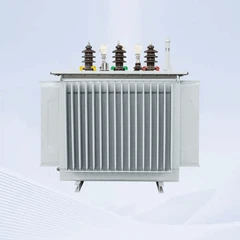
When it comes to our pole distribution transformers, we have some great options for you. Check out our Single Phase Overhead Pole Mounted Distribution Transformer. It's designed with high - quality materials and advanced technology to ensure reliable performance. If you're specifically looking for a single - phase option, our Single Phase Pole Mounted Transformer might be the perfect fit. And for those with specific power requirements, our 25KVA Single Phase Pole Mounted Distribution Transformer offers the right balance of capacity and efficiency.


Now, let's talk about some testing and maintenance aspects. Once the grounding system is installed, it's essential to test its performance. You can use a grounding resistance tester to measure the resistance of the grounding system. The goal is to achieve a low resistance value, typically less than a certain threshold specified by local codes (usually around 25 ohms or less, but it can vary).
Regular maintenance of the grounding system is also important. Over time, the grounding electrodes may corrode, and the connections can loosen. Inspect the grounding system periodically, looking for signs of damage or corrosion. If you notice any issues, such as a broken grounding wire or a corroded electrode, take immediate steps to repair or replace the affected components.
In addition to the technical aspects, it's crucial to comply with all local electrical codes and regulations. These codes are in place to ensure the safety of the electrical system and the people interacting with it. Before starting any grounding installation, make sure you're familiar with the relevant codes and obtain any necessary permits.
If you're in the market for a pole distribution transformer and want to learn more about proper grounding or other related topics, we're here to help. Our team of experts has years of experience in this field and can provide you with detailed information and support. Whether you're a professional electrician, a utility company, or someone involved in an electrical project, we can assist you in choosing the right transformer and ensuring its proper installation.
If you're interested in our products, we'd love to have a chat with you. Contact us and let's discuss your specific requirements. We can provide you with customized solutions to fit your needs. So, don't hesitate to reach out and start the conversation.
References
- Electrical Safety Standards: NFPA 70 – National Electrical Code
- IEEE Standards for Power Transformers and Grounding Systems
Send Inquiry