





What are the international standards for distribution transformers?
Aug 22, 2025
Leave a message
Hey there! As a supplier of distribution transformers, I often get asked about the international standards for these crucial pieces of equipment. So, I thought I'd break it down for you in a simple, easy - to - understand way.
First off, let's talk about why international standards are so important. Distribution transformers play a key role in the electrical power system. They step down the high - voltage electricity from the transmission lines to a lower voltage that can be used in homes, businesses, and industries. Having international standards ensures that these transformers are safe, reliable, and efficient across the globe.
One of the most well - known international standard - setting organizations is the International Electrotechnical Commission (IEC). The IEC has developed a series of standards for distribution transformers, which cover various aspects such as design, construction, performance, and testing.
Design and Construction Standards
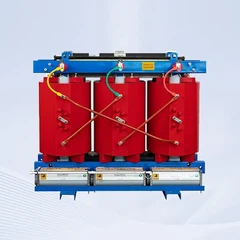
IEC standards define the basic design requirements for distribution transformers. For example, they specify the materials that can be used for the core and windings. The core is usually made of high - quality electrical steel laminations, which help to reduce eddy current losses. The windings are typically made of copper or aluminum conductors, and the IEC standards set guidelines on the cross - sectional area, insulation thickness, and winding configuration.
When it comes to construction, the IEC standards ensure that the transformers are built to withstand different environmental conditions. For outdoor transformers, like our 160kVA Outdoor Combination Transformer, they need to be protected against moisture, dust, and extreme temperatures. The enclosure of the transformer must be weather - resistant and have proper ventilation to prevent overheating.
Performance Standards
Performance is a critical aspect of distribution transformers. The IEC standards set limits on parameters such as efficiency, voltage regulation, and short - circuit withstand capability.
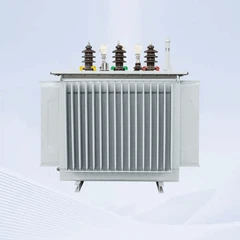
Efficiency is a measure of how well the transformer converts electrical energy from the primary side to the secondary side. Higher efficiency means less energy is wasted as heat, which is not only better for the environment but also reduces operating costs for the end - user. Our Three Phase Oil Filled Distribution Transformer is designed to meet high - efficiency standards, ensuring that you get the most out of your electrical power.
Voltage regulation is another important performance parameter. It refers to the ability of the transformer to maintain a relatively constant output voltage under different load conditions. The IEC standards specify the maximum allowable voltage variation, which is typically within a few percent of the rated voltage.


The short - circuit withstand capability of a transformer is also crucial. In the event of a short - circuit in the electrical system, the transformer must be able to withstand the high - current surge without damage. The IEC standards define the test procedures and requirements for evaluating the short - circuit withstand capability of distribution transformers.
Testing Standards
To ensure that distribution transformers meet the international standards, they need to undergo a series of tests. The IEC standards outline the testing methods and acceptance criteria for different types of tests.
Routine tests are carried out on every transformer before it leaves the factory. These tests include measurements of winding resistance, insulation resistance, and turns ratio. They help to verify the basic electrical characteristics of the transformer and ensure that it is functioning properly.
Type tests are more comprehensive and are usually carried out on a sample of transformers during the product development phase. These tests include short - circuit tests, temperature rise tests, and impulse voltage tests. For example, the temperature rise test measures how much the temperature of the transformer increases under normal operating conditions. The IEC standards specify the maximum allowable temperature rise for different parts of the transformer, such as the windings and the oil.
In addition to the IEC standards, there are also regional and national standards that may apply depending on the location where the transformers are used. For example, in the United States, the National Electrical Manufacturers Association (NEMA) has its own set of standards for distribution transformers. These standards may have some differences from the IEC standards, but they also aim to ensure the safety and performance of the transformers.
Our Commitment as a Supplier
As a distribution transformer supplier, we are committed to meeting and exceeding the international standards. We use the latest manufacturing technologies and high - quality materials to ensure that our transformers are of the highest quality. Our 20kv Series Oil - immersed Distribution Transformer is designed and manufactured in strict accordance with the IEC standards, and it has undergone rigorous testing to ensure its reliability and performance.
We understand that every customer has different requirements, and we offer customized solutions to meet those needs. Whether you need a small - capacity transformer for a residential area or a large - capacity transformer for an industrial complex, we can provide you with the right product.
If you're in the market for distribution transformers, I encourage you to reach out to us for a detailed discussion. We can help you choose the most suitable transformer based on your specific requirements, and we'll work with you to ensure a smooth procurement process.
In conclusion, international standards for distribution transformers are essential for ensuring the safety, reliability, and efficiency of these important electrical devices. By adhering to these standards, we can provide our customers with high - quality transformers that meet their needs and expectations. So, if you're looking for a reliable distribution transformer supplier, don't hesitate to get in touch with us for a procurement discussion.
References
- International Electrotechnical Commission (IEC) standards related to distribution transformers
- National Electrical Manufacturers Association (NEMA) standards for distribution transformers
Send Inquiry