







What are the noise levels of Distribution Transformers?
Sep 02, 2025
Leave a message
What are the Noise Levels of Distribution Transformers?
As a supplier of distribution transformers, understanding the noise levels associated with these essential electrical components is crucial. Distribution transformers play a vital role in the electrical power system, stepping down high-voltage electricity from the transmission network to a level suitable for end-users. However, the operation of these transformers can generate noise, which may have implications for both the environment and the surrounding community.
Sources of Noise in Distribution Transformers
The noise generated by distribution transformers primarily comes from two main sources: magnetostriction and mechanical vibrations.
Magnetostriction is a phenomenon where the core of the transformer expands and contracts as the magnetic field changes. This cyclic expansion and contraction of the core laminations produce audible noise. The frequency of the noise is typically twice the power frequency, which means that in a 50 Hz or 60 Hz power system, the noise frequency will be around 100 Hz or 120 Hz, respectively.
Mechanical vibrations can also contribute to the noise levels of distribution transformers. These vibrations can be caused by the flow of current through the windings, the movement of oil within the transformer, and the interaction between the core and the tank. The mechanical vibrations can be transmitted through the structure of the transformer and radiated as sound waves.
Factors Affecting Noise Levels
Several factors can influence the noise levels of distribution transformers. These factors include:
- Transformer Design: The design of the transformer, including the core material, winding configuration, and tank construction, can have a significant impact on the noise levels. For example, transformers with a well-designed core and low-loss materials tend to produce less noise.
- Load Conditions: The load on the transformer can also affect the noise levels. As the load increases, the current flowing through the windings increases, which can lead to higher mechanical vibrations and, consequently, higher noise levels.
- Ambient Temperature: The ambient temperature can influence the noise levels of distribution transformers. Higher temperatures can cause the core and windings to expand, which can increase the mechanical vibrations and noise levels.
- Installation Location: The installation location of the transformer can also play a role in the noise levels. Transformers installed in enclosed spaces or near buildings may experience higher noise levels due to the reflection and absorption of sound waves.
Measuring Noise Levels
To accurately assess the noise levels of distribution transformers, it is necessary to measure the sound pressure level (SPL) at a specific distance from the transformer. The SPL is typically measured in decibels (dB) and is expressed as a logarithmic ratio of the measured sound pressure to a reference sound pressure.
The International Electrotechnical Commission (IEC) has established standards for measuring the noise levels of distribution transformers. These standards specify the measurement conditions, including the distance from the transformer, the background noise level, and the measurement equipment to be used.
Noise Reduction Techniques
As a supplier of distribution transformers, we are committed to providing products with low noise levels. To achieve this, we employ several noise reduction techniques, including:


- Core Design: We use high-quality core materials and advanced core designs to minimize magnetostriction and reduce noise levels.
- Vibration Damping: We incorporate vibration damping materials and techniques into the transformer design to reduce mechanical vibrations and noise radiation.
- Enclosure Design: We design our transformers with enclosures that are specifically engineered to reduce noise transmission. These enclosures may include sound-absorbing materials and insulation to minimize the impact of the noise on the surrounding environment.
- Installation and Mounting: Proper installation and mounting of the transformer can also help to reduce noise levels. We provide detailed installation instructions to ensure that our transformers are installed correctly and that any potential sources of vibration are minimized.
Applications and Considerations
Distribution transformers are used in a wide range of applications, including residential, commercial, and industrial settings. In each of these applications, the noise levels of the transformers need to be carefully considered to ensure compliance with local noise regulations and to minimize the impact on the surrounding community.
In residential areas, for example, low noise levels are particularly important to avoid disturbing the peace and quiet of the neighborhood. Our 380V Low Voltage Power Distribution Cabinet is designed with noise reduction in mind, making it an ideal choice for residential applications.
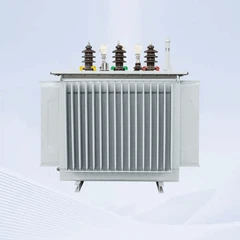
In commercial and industrial settings, the noise levels of distribution transformers may need to be balanced with other factors, such as cost, efficiency, and reliability. Our China Three-Phase Oil-Immersed Distributing Transformer From GNEE offers a combination of low noise levels, high efficiency, and reliable performance, making it suitable for a variety of commercial and industrial applications.
For outdoor applications, such as in pole-mounted transformers, the noise levels need to be carefully managed to minimize the impact on the surrounding environment. Our Pole Distribution Transformers are designed to meet the specific requirements of outdoor applications, including low noise levels and high durability.
Conclusion
In conclusion, understanding the noise levels of distribution transformers is essential for ensuring the proper operation and performance of these critical electrical components. As a supplier of distribution transformers, we are committed to providing products with low noise levels through the use of advanced design techniques and noise reduction measures.
If you are in the market for distribution transformers and have specific noise level requirements, we invite you to contact us for more information. Our team of experts will be happy to assist you in selecting the right transformer for your application and to discuss any noise reduction options that may be available.
References
- International Electrotechnical Commission (IEC). (Year). IEC Standard for Measuring Noise Levels of Distribution Transformers.
- Manufacturer's Technical Documentation for Distribution Transformers.
Send Inquiry