







What are the operation and maintenance costs of a unit substation transformer?
Jun 24, 2026
Leave a message
As a supplier of Unit Substation Transformers, I've had numerous discussions with clients about the various aspects of these crucial electrical components. One of the most frequently asked questions is about the operation and maintenance costs of a unit substation transformer. In this blog, I'll delve into the details of these costs, providing a comprehensive overview to help potential buyers make informed decisions.
Understanding the Basics of a Unit Substation Transformer
Before we discuss the costs, it's essential to understand what a unit substation transformer is. A unit substation transformer is a key component in electrical distribution systems. It steps down high-voltage electricity from the power grid to a lower voltage suitable for use in industrial, commercial, or residential settings. These transformers are typically installed in a single enclosure, which includes the transformer, circuit breakers, and other protective devices.
Initial Purchase and Installation Costs
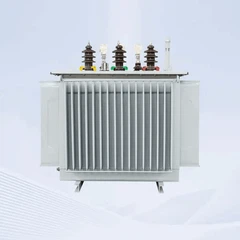
The first cost associated with a unit substation transformer is the purchase price. The cost of a transformer can vary widely depending on its capacity, type, and features. For example, a 300 KVA three-phase oil-filled power transformer will generally cost less than a
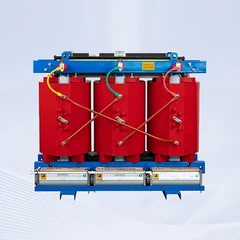
3000 kVA three-phase oil-filled power transformer. The type of transformer also plays a role in the cost. Oil-filled transformers are often more expensive upfront than dry-type transformers, but they can offer better performance and longer lifespan in certain applications.


In addition to the purchase price, there are installation costs to consider. Installation involves several steps, including site preparation, transportation of the transformer to the site, and connection to the electrical system. The complexity of the installation can vary depending on the location and the existing electrical infrastructure. Professional installation is recommended to ensure the transformer is installed correctly and safely.
Operation Costs
The operation costs of a unit substation transformer primarily consist of energy losses and electricity consumption. Transformers are not 100% efficient, and they lose some energy in the form of heat during operation. These losses are classified into two types: no-load losses and load losses.
No-load losses occur even when the transformer is not supplying any load. They are mainly due to the magnetization of the core and are constant regardless of the load. Load losses, on the other hand, are proportional to the square of the load current. They are caused by the resistance of the windings and increase as the load on the transformer increases.
The energy losses in a transformer result in additional electricity consumption, which translates into higher operating costs. To minimize these losses, it's important to choose a transformer with high efficiency. Modern transformers are designed to have lower losses, which can significantly reduce the long-term operating costs.
Maintenance Costs
Maintenance is an essential part of ensuring the reliable operation and longevity of a unit substation transformer. The maintenance costs include regular inspections, testing, and replacement of parts.
Regular inspections are necessary to detect any potential problems early. Inspections typically involve visual checks, measurement of electrical parameters, and oil sampling (for oil-filled transformers). The frequency of inspections depends on the type of transformer, its operating conditions, and the manufacturer's recommendations.
Testing is another important aspect of maintenance. Tests such as insulation resistance testing, turn ratio testing, and oil analysis can provide valuable information about the condition of the transformer. These tests help identify any issues before they become serious problems, which can save on repair costs in the long run.
Over time, some parts of the transformer may need to be replaced. This can include components such as bushings, gaskets, and fuses. The cost of replacement parts and labor can vary depending on the type and size of the transformer.
Factors Affecting Operation and Maintenance Costs
Several factors can affect the operation and maintenance costs of a unit substation transformer. These include the transformer's capacity, efficiency, operating environment, and load profile.
The capacity of the transformer is an important factor. Larger transformers generally have higher initial costs and may also have higher operating and maintenance costs. However, they can handle larger loads, which may be necessary in some applications.
The efficiency of the transformer is another crucial factor. A more efficient transformer will have lower energy losses, resulting in lower operating costs. When choosing a transformer, it's important to consider the efficiency ratings and choose a model that offers the best balance between cost and performance.
The operating environment can also have a significant impact on the costs. Transformers installed in harsh environments, such as areas with high humidity, extreme temperatures, or high levels of pollution, may require more frequent maintenance and may have a shorter lifespan.
The load profile of the transformer is also important. Transformers that operate at full load for long periods may experience higher wear and tear, which can increase the maintenance costs. It's important to choose a transformer with a capacity that matches the expected load to avoid overloading.
Strategies to Reduce Costs
There are several strategies that can be used to reduce the operation and maintenance costs of a unit substation transformer. One of the most effective strategies is to choose a high-efficiency transformer. As mentioned earlier, a more efficient transformer will have lower energy losses, which can result in significant savings over the life of the transformer.
Regular maintenance is also crucial. By conducting regular inspections and tests, potential problems can be detected early, and preventive measures can be taken. This can help avoid costly repairs and downtime.
Proper load management is another important strategy. By ensuring that the transformer is not overloaded, the wear and tear on the transformer can be reduced, which can extend its lifespan and lower the maintenance costs.
Conclusion
The operation and maintenance costs of a unit substation transformer are an important consideration for any potential buyer. By understanding the various factors that affect these costs and implementing strategies to reduce them, buyers can make more informed decisions and choose a transformer that offers the best value for money.
If you're interested in learning more about our Unit Substation Transformers or have any questions about the operation and maintenance costs, please don't hesitate to contact us. We're here to help you find the right solution for your electrical needs.
Request A Quote
References
- IEEE Std C57.12.00-2010, Standard General Requirements for Liquid-Immersed Distribution, Power, and Regulating Transformers
- IEC 60076-1:2011, Power transformers - Part 1: General
- AS/NZS 60076.1:2011, Power transformers - Part 1: General
Send Inquiry