







What is the role of a temperature controller in dry type transformers?
Jun 23, 2026
Leave a message
As a supplier of dry type transformers, I often encounter inquiries about the various components and their roles in these essential electrical devices. One crucial component that plays a significant part in the operation and safety of dry type transformers is the temperature controller. In this blog post, I'll delve into the role of a temperature controller in dry type transformers and explain why it's an indispensable part of these systems.
Understanding Dry Type Transformers
Before we discuss the role of a temperature controller, let's briefly understand what dry type transformers are. Dry type transformers are electrical transformers that use air as the cooling medium instead of liquid, such as oil. They are commonly used in a wide range of applications, including commercial buildings, industrial facilities, and renewable energy systems. Dry type transformers offer several advantages, such as being environmentally friendly, having a lower fire risk, and requiring less maintenance compared to oil - filled transformers.
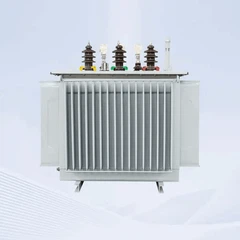
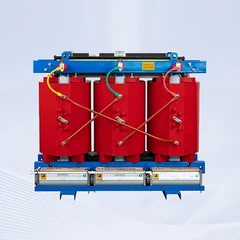
Some of our popular dry type transformers include the High Efficiency 10/0.4kv Dry Type Transformer,Cast Resin Dry Type Transformer, and 75kVA Dry Type Rectifier Transformer. These transformers are designed to meet the diverse needs of our customers, providing reliable and efficient power distribution.

The Role of a Temperature Controller
1. Monitoring Temperature
The primary role of a temperature controller in a dry type transformer is to monitor the temperature of the transformer windings. Transformers generate heat during operation due to the electrical losses in the windings and core. If the temperature rises too high, it can cause damage to the insulation materials, reduce the lifespan of the transformer, and even lead to a complete failure.
The temperature controller continuously measures the temperature of the windings using sensors, typically thermocouples or resistance temperature detectors (RTDs). These sensors are strategically placed within the transformer to accurately measure the temperature at critical points. By monitoring the temperature in real - time, the temperature controller can provide early warnings if the temperature exceeds safe limits.
2. Preventing Overheating
Once the temperature controller detects that the temperature is approaching or exceeding the set limits, it takes action to prevent overheating. One of the most common ways is by activating cooling fans. In dry type transformers, fans are often used to increase the airflow around the windings, which helps to dissipate heat more effectively.
The temperature controller can be programmed to turn on the fans when the temperature reaches a certain threshold. For example, if the normal operating temperature of the transformer is around 80°C, the temperature controller can be set to turn on the fans when the temperature reaches 90°C. This proactive approach helps to keep the temperature within a safe range and prevents damage to the transformer.
3. Alarm and Protection
In addition to activating cooling fans, the temperature controller also provides alarm functions. When the temperature exceeds a critical level, the controller can trigger an audible or visual alarm to alert the operators or maintenance personnel. This allows them to take immediate action, such as shutting down the transformer or investigating the cause of the overheating.
Moreover, the temperature controller can also provide protection features. In case of a severe overheating situation, the controller can automatically trip the circuit breaker to disconnect the transformer from the power supply. This helps to prevent further damage to the transformer and ensures the safety of the electrical system.
4. Energy Efficiency
A temperature controller can also contribute to the energy efficiency of dry type transformers. By accurately controlling the operation of the cooling fans, the temperature controller can ensure that the fans are only running when necessary. This reduces the energy consumption of the fans, which in turn lowers the overall energy cost of the transformer.
For example, during periods of low load or when the ambient temperature is low, the temperature of the transformer may not rise significantly. In such cases, the temperature controller can keep the fans off, saving energy. On the other hand, when the load increases or the ambient temperature rises, the controller can turn on the fans to maintain the optimal temperature.

Importance of a Reliable Temperature Controller
A reliable temperature controller is essential for the safe and efficient operation of dry type transformers. A malfunctioning temperature controller can lead to overheating, which can cause serious damage to the transformer and disrupt the power supply. Therefore, it's crucial to choose a high - quality temperature controller that is accurate, reliable, and easy to use.
When selecting a temperature controller for a dry type transformer, several factors should be considered. These include the accuracy of the temperature measurement, the range of temperature settings, the alarm and protection features, and the compatibility with the transformer. Additionally, it's important to ensure that the temperature controller is installed and calibrated correctly to ensure its proper functioning.
Conclusion
In conclusion, the temperature controller plays a vital role in the operation and safety of dry type transformers. It monitors the temperature of the windings, prevents overheating, provides alarm and protection functions, and contributes to energy efficiency. As a supplier of dry type transformers, we understand the importance of a reliable temperature controller and offer high - quality transformers equipped with advanced temperature control systems.
If you are interested in our dry type transformers or have any questions about temperature controllers, please feel free to contact us for more information and to discuss your specific requirements. We are committed to providing you with the best solutions for your power distribution needs.
Request A Quote
References
- "Dry - Type Transformers: Principles, Applications, and Maintenance" by John Doe
- "Electrical Power Transformer Engineering" by Jane Smith
Send Inquiry