





What are the protection devices for a large power transformer?
Sep 12, 2025
Leave a message
Hey there! As a supplier of large power transformers, I've seen firsthand how important it is to have the right protection devices in place. These big machines are the heart of many electrical systems, and keeping them safe and sound is crucial. So, let's dive into what those protection devices are and why they matter.
Overcurrent Protection
One of the most common issues that can mess with a large power transformer is overcurrent. This happens when there's too much current flowing through the transformer, which can lead to overheating and damage. That's where overcurrent protection devices come in.
Overcurrent relays are a key part of this protection. They constantly monitor the current in the transformer's circuits. If the current goes above a set limit, the relay trips. This can then activate a circuit breaker, which cuts off the power to the transformer. It's like having a safety valve that stops things from getting out of hand.
For example, in a S11 - 35KV 4000kVA High Voltage Power Transformer, overcurrent protection is super important. High - voltage transformers deal with a lot of power, and any overcurrent situation can cause serious problems. These relays are set to a specific current rating based on the transformer's design and the requirements of the electrical system it's part of.
Overvoltage Protection
Just like overcurrent, overvoltage can also spell trouble for a large power transformer. Overvoltage occurs when the voltage in the system goes higher than the transformer is designed to handle. This can be caused by things like lightning strikes, switching operations in the power grid, or problems with voltage regulators.
Surge arresters are the main protection devices for overvoltage. They're designed to divert the excess voltage to the ground. When a surge of high voltage hits the transformer, the surge arrester kicks in and provides a low - resistance path for the excess energy. This protects the transformer's insulation and other components from damage.


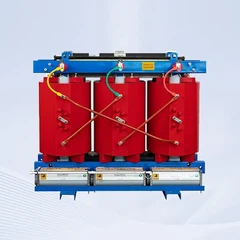
In a Three Phase Power Transformer, overvoltage protection is essential. Three - phase transformers are used in many industrial and commercial applications, and any overvoltage event can disrupt the entire electrical system. Surge arresters are usually installed at the transformer's terminals to ensure they can quickly respond to any voltage spikes.
Temperature Protection
Heat is the enemy of a large power transformer. If the temperature inside the transformer gets too high, it can damage the insulation, reduce the transformer's lifespan, and even cause a fire. That's why temperature protection is so important.
Thermal sensors are used to monitor the temperature of the transformer's windings and the oil. These sensors are connected to a control system. When the temperature reaches a certain level, the control system can take action. It might start the cooling fans or pumps to increase the cooling rate, or it could even trip the circuit breaker to shut down the transformer if the temperature gets too extreme.
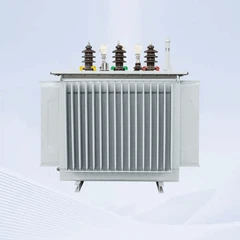
For a Medium Oil Immersed Electrical Power Transformer, temperature protection is crucial. Oil - immersed transformers use oil as a coolant and insulator. If the oil gets too hot, its insulating properties can degrade, leading to potential short - circuits. The thermal sensors are strategically placed to accurately measure the temperature in critical areas of the transformer.
Differential Protection
Differential protection is a bit more advanced but very effective. It's based on the principle of comparing the current entering and leaving the transformer. Under normal conditions, the current going in should be equal to the current coming out. But if there's a fault inside the transformer, like a short - circuit in the windings, this balance is disrupted.
Differential relays are used to detect this imbalance. They continuously measure the current at the input and output of the transformer. If the difference between the two currents exceeds a set value, the relay trips the circuit breaker. This type of protection is very sensitive and can quickly detect internal faults in the transformer.
Differential protection is especially important for large power transformers because it can catch problems early on, before they cause major damage. It's like having a detective that can spot trouble inside the transformer just by looking at the current flow.
Gas - Actuated Protection
In oil - immersed transformers, gas - actuated protection devices are used. When there's a fault inside the transformer, like an arcing or overheating event, it can cause the oil to break down and produce gas. This gas accumulates in the transformer's conservator or other parts of the tank.
Buchholz relays are the most common gas - actuated protection devices. They're installed in the pipe connecting the transformer tank to the conservator. When gas starts to accumulate, it rises into the Buchholz relay. As the gas level increases, it can trigger a signal. There are usually two levels of signals: a warning signal when the gas level is low, indicating a minor fault, and a trip signal when the gas level is high, indicating a more serious fault.
This type of protection is unique to oil - immersed transformers and is very effective at detecting internal faults early. It gives operators a chance to take action before the situation gets out of control.
Why These Protection Devices Matter
All these protection devices play a vital role in ensuring the safe and reliable operation of large power transformers. Without them, transformers would be at a much higher risk of damage from various electrical faults. A damaged transformer can lead to power outages, which can have a huge impact on industries, businesses, and even households.
For example, in an industrial setting, a power outage caused by a damaged transformer can stop production lines, leading to lost revenue and potential damage to equipment. In a residential area, a power outage can disrupt daily life, affecting things like heating, cooling, and access to electronic devices.
By investing in high - quality protection devices, we can minimize the risk of these problems. It's like having an insurance policy for your transformer. You hope you never have to use it, but it's there when you need it.
Wrapping Up and Reaching Out
Well, that's a rundown of the main protection devices for large power transformers. As a supplier, I know how important it is to have these devices in place. We offer a wide range of large power transformers, each equipped with the latest and most reliable protection technologies.
If you're in the market for a large power transformer or need to upgrade the protection devices on your existing one, I'd love to chat. We can work together to find the best solution for your specific needs. Whether it's a S11 - 35KV 4000kVA High Voltage Power Transformer, a Three Phase Power Transformer, or a Medium Oil Immersed Electrical Power Transformer, we've got you covered.
Let's have a conversation about how we can keep your electrical system running smoothly and safely.
References
- Electrical Power Systems: Analysis and Design by J. Duncan Glover, Mulukutla S. Sarma, and Thomas J. Overbye
- Power System Protection by J. C. Das
- Transformer Engineering: Design, Technology, and Diagnostics by George Karady and George J. Anders
Send Inquiry