







What is the emergency response plan for a large power transformer accident?
Jul 24, 2026
Leave a message
Power transformers are the workhorses of the electrical grid, playing a crucial role in stepping up or stepping down voltage levels to ensure efficient power transmission and distribution. As a large power transformer supplier, we understand the critical importance of having a robust emergency response plan in place. In this blog post, we will delve into what an effective emergency response plan for a large power transformer accident entails, highlighting key aspects and protocols to mitigate risks and ensure the safety of personnel, equipment, and the surrounding environment.
Understanding the Risks
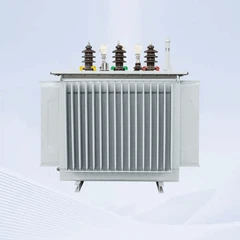
Before diving into the emergency response plan, it's essential to understand the potential risks associated with large power transformer accidents. These may include electrical fires, explosions, oil spills, and the release of hazardous substances. Such incidents can lead to significant damage to the transformer itself, disrupt power supply, and pose a threat to human life and the environment. For instance, an oil - filled transformer contains large quantities of insulating oil, which is flammable and can start a fire if ignited by an electrical fault.


Pre - accident Preparedness
Risk Assessment
We, as a responsible power transformer supplier, assist our clients in conducting comprehensive risk assessments. This involves identifying potential hazards such as electrical faults, mechanical failures, and environmental factors. By understanding these risks, it becomes possible to develop preventive measures. For example, environmental factors like extreme temperatures or high humidity can affect the performance of transformers. Regular inspection of our S11 Series 6kV - 35kV Power Transformer can help detect potential issues early in harsh environmental conditions.
Training
Proper training of personnel is vital. All individuals involved in the operation, maintenance, and response to transformer accidents should be well - versed in safety procedures. This includes training on how to handle fire extinguishers, shut - off valves, and emergency shutdown procedures. We offer training programs to our clients' staff to ensure they can respond effectively in case of an emergency.
Equipment and Supplies
Stockpiling essential emergency equipment and supplies is a key part of pre - accident preparedness. This includes fire - fighting equipment such as foam extinguishers, sand, and fire blankets. Absorbent materials should also be available to handle potential oil spills. Additionally, personal protective equipment (PPE) like gloves, goggles, and fire - resistant clothing must be provided in sufficient quantities.
Emergency Response Protocols
Incident Detection
Early detection of a transformer accident is critical. This can be achieved through the installation of monitoring devices such as temperature sensors, oil level sensors, and gas detectors. These sensors can provide real - time data on the transformer's condition. For example, a sudden rise in temperature may indicate an internal fault. Once an abnormal condition is detected, the monitoring system should trigger an alarm to alert the relevant personnel immediately.
Shutdown Procedures
In case of an emergency, a well - defined shutdown procedure must be followed. This typically involves isolating the transformer from the power grid to prevent further damage and reduce the risk of electrical shock. The personnel should be trained to operate the appropriate circuit breakers and switches safely. Once the transformer is isolated, the next steps can be taken to address the specific problem.
Fire and Explosion Response
If a fire or explosion occurs, the immediate response is to evacuate the area and call the fire department. Trained personnel can attempt to extinguish the fire using the available fire - fighting equipment if it is safe to do so. For oil fires, foam extinguishers are often the most effective. However, the decision to fight the fire should always prioritize the safety of the personnel.
Oil Spill Management
Oil spills from transformers can have a significant environmental impact. In the event of an oil spill, the first step is to contain the spill to prevent it from spreading. This can be done using absorbent materials and containment booms. The collected oil and absorbents should be properly disposed of in accordance with environmental regulations. Our 132kv 138kv three - phase oil immersed power transformer comes with recommendations on oil spill response to assist our clients.
Communication
Effective communication is essential during an emergency. All personnel involved should be informed of the situation, safety procedures, and their roles and responsibilities. There should also be a communication plan in place to notify external parties such as local authorities, utility companies, and neighboring communities if necessary.
Post - accident Recovery
Damage Assessment
After the emergency has been brought under control, a detailed damage assessment of the transformer should be carried out. This involves inspecting the physical condition of the transformer, testing its electrical components, and analyzing the data from the monitoring devices. This assessment will help determine the extent of the damage and whether the transformer can be repaired or needs to be replaced.
Repair or Replacement
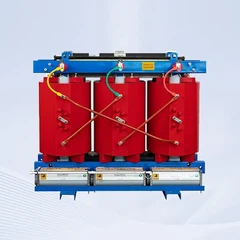
If the damage is minor, the transformer can be repaired. This may involve replacing faulty components, cleaning contaminated parts, and testing the transformer to ensure it is functioning properly. In cases of severe damage, the transformer may need to be replaced. Our company offers a range of high - quality transformers, including Power Voltage Transformers and Amorphous Steel Transformer, to meet our clients' replacement needs.
Root Cause Analysis
Conducting a root - cause analysis is crucial to prevent similar accidents in the future. This involves investigating the factors that led to the accident, such as faulty design, maintenance issues, or operator error. Based on the findings of the root - cause analysis, corrective actions can be taken, such as improving maintenance procedures, providing additional training, or modifying the transformer design.
Regulatory Compliance
In formulating and implementing an emergency response plan, it is essential to comply with relevant regulations and standards. These may include local, national, and international regulations regarding electrical safety, environmental protection, and emergency response. Our company stays updated with these regulations and ensures that our clients' emergency response plans are in full compliance.
Continuous Improvement
An emergency response plan is not a static document. It should be regularly reviewed and updated based on lessons learned from past incidents, new technologies, and changes in regulations. We encourage our clients to engage in continuous improvement activities, such as conducting mock emergency drills and seeking feedback from personnel involved in the response process.
Contact Us for Your Power Transformer Needs
Whether you are looking for reliable power transformers or need assistance in developing an effective emergency response plan, we are here to help. Our team of experts has extensive experience in the field of power transformers and can provide you with the best solutions tailored to your specific requirements. We offer a wide range of products, including the S(B)H15 - M Series Sealed Amorphous Alloy Power Transformer, to meet the diverse needs of our customers. If you are interested in learning more or discussing a potential purchase, feel free to reach out to us.
We look forward to the opportunity to work with you and contribute to the safe and efficient operation of your electrical infrastructure.
References
- Electrical Safety Standards: National Electrical Code (NEC)
- Environmental Protection Regulations: EPA Guidelines for Hazardous Waste Management
- Transformer Manufacturing Standards: International Electrotechnical Commission (IEC) standards
Send Inquiry