







What is the overload capacity of a substation transformer?
Jul 29, 2025
Leave a message
Hey there, folks! As a supplier of substation transformers, I often get asked about the overload capacity of these crucial pieces of equipment. So, let's dive right in and break it down in a way that's easy to understand.
First off, what exactly is overload capacity? Well, in simple terms, it's the ability of a substation transformer to handle a load that's greater than its rated capacity for a certain period of time. You see, transformers are designed with a specific rated capacity, which is the maximum amount of electrical power they can handle under normal operating conditions. But in the real world, there are times when the demand for electricity spikes, and that's where overload capacity comes into play.


Think about it like this: Your car has a certain speed limit that's considered safe and optimal for normal driving. But if you need to quickly overtake another vehicle on the highway, you can press the accelerator a bit harder and go faster for a short period. That's similar to how a substation transformer can handle an overload. It can temporarily handle more power than its rated capacity to meet the increased demand.
Now, why is overload capacity important? Well, it provides a buffer during peak demand periods. For example, on a hot summer day, when everyone has their air conditioners running, the demand for electricity can skyrocket. If the substation transformers didn't have any overload capacity, they would quickly reach their limits and potentially fail, leading to power outages. By having some overload capacity, the transformers can keep up with the increased demand and ensure a continuous supply of electricity.
But here's the catch: Overloading a transformer for too long can cause damage. Just like driving your car at high speeds for an extended period can wear out the engine, overloading a transformer can lead to overheating and premature aging of the insulation. This can reduce the transformer's lifespan and increase the risk of failure. So, while overload capacity is useful, it needs to be used wisely.
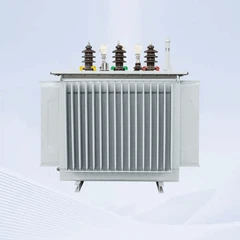
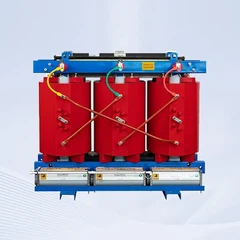
There are a few factors that affect the overload capacity of a substation transformer. One of the most important is the type of cooling system. Transformers can be air-cooled or oil-cooled. Oil-cooled transformers generally have a higher overload capacity because oil is a better coolant than air. It can absorb and dissipate heat more effectively, allowing the transformer to handle higher loads for longer periods.
Another factor is the ambient temperature. The hotter it is outside, the less overload capacity a transformer will have. This is because the cooling system has to work harder to keep the transformer at a safe temperature. So, in a hot climate, the transformer may not be able to handle as much of an overload as it would in a cooler environment.
The design of the transformer also plays a role. Some transformers are designed with a higher overload capacity from the start. These are often used in areas where there are frequent peak demand periods or where the electrical grid is less stable.
As a supplier, we understand the importance of providing transformers with the right overload capacity for our customers' needs. That's why we offer a wide range of substation transformers, including Mobile Substations, Electrical Substation, and 1500 KVA Substation Transformer. Our team of experts can work with you to determine the best transformer for your specific requirements.
When you're considering purchasing a substation transformer, it's important to think about your future needs as well. If you expect your electricity demand to increase in the coming years, you may want to choose a transformer with a higher overload capacity. This will give you some flexibility and ensure that your electrical system can handle the growth.
In addition to overload capacity, there are other factors to consider when buying a substation transformer, such as efficiency, reliability, and cost. We can help you evaluate all these factors and make an informed decision.
So, if you're in the market for a substation transformer, don't hesitate to reach out to us. We're here to answer your questions, provide you with detailed information, and help you find the perfect transformer for your needs. Whether you're a small business or a large utility company, we have the expertise and the products to meet your requirements.
Let's work together to ensure a reliable and efficient electrical supply for your operations. Contact us today to start the conversation about your substation transformer needs and let's explore the best solutions for you.
References
- IEEE Standard C57.91-2011, IEEE Guide for Loading Mineral-Oil-Immersed Transformers.
- IEC 60076-7:2018, Power transformers - Part 7: Loading guide for oil-immersed power transformers.
Send Inquiry