







What is the overload capacity of an Amorphous Metal Transformer?
Jun 18, 2025
Leave a message
Hey there! As a supplier of Amorphous Metal Transformers, I often get asked about the overload capacity of these nifty devices. So, I thought I'd take a few minutes to break it down for you.
First off, let's understand what we mean by "overload capacity." In simple terms, it's the ability of a transformer to handle a load that's greater than its rated capacity for a certain period. This is super important because in real - world scenarios, electrical systems sometimes experience sudden spikes in demand.
Amorphous metal transformers are quite special. They're made with amorphous metal cores, which have unique magnetic properties compared to traditional silicon steel cores. These properties give them some advantages when it comes to overload capacity.
One of the key factors that affect the overload capacity of an Amorphous Metal Transformer is its design. The materials used and the way the transformer is constructed play a huge role. Amorphous metals have lower core losses. This means that they generate less heat during normal operation. And when it comes to overload situations, this lower heat generation is a big plus. Less heat means the transformer can handle higher loads without quickly reaching dangerous temperature levels.
For example, in a typical electrical grid, there might be times when a large industrial facility starts up all at once, causing a sudden surge in power demand. An Amorphous Metal Transformer can often ride out this short - term overload better than a traditional transformer.
Another aspect is the thermal management of the transformer. Good thermal management systems are crucial for maximizing the overload capacity. These systems can include things like cooling fans or oil - cooling mechanisms. When the transformer is overloaded, these cooling systems work hard to keep the temperature in check.
Now, let's talk about the standards and regulations. There are industry standards that define the acceptable levels of overload for transformers. These standards ensure that transformers are safe and reliable in different operating conditions. Amorphous Metal Transformers are designed to meet or exceed these standards.
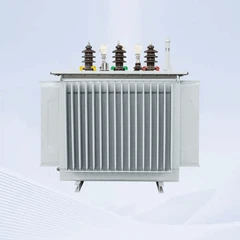
When it comes to the specific overload capacity, it can vary depending on the type of Amorphous Metal Transformer. For instance, the Amorphous Steel Core Transformer has its own set of performance characteristics. It's designed to handle certain levels of short - term and long - term overloads.
The S(B)H15 Three Phase Amorphous Alloy Distribution Transformer is another great example. This type of transformer is often used in distribution networks, where it might face various load fluctuations. It's engineered to be quite resilient in overload situations, which is essential for maintaining a stable power supply to consumers.
The Amorphous Alloy Transformers in general are known for their energy - efficiency and good overload performance. They're a popular choice for many applications, from small commercial buildings to large industrial complexes.


However, it's important to note that while Amorphous Metal Transformers have good overload capacity, there are limits. Overloading a transformer for an extended period can still cause damage. It can lead to accelerated aging of the insulation materials, which can ultimately reduce the lifespan of the transformer. So, it's always a good idea to design electrical systems with some margin of safety.
When sizing a transformer for a particular application, engineers need to consider not only the normal load but also the potential overload scenarios. This way, they can select the right Amorphous Metal Transformer that can handle the expected loads without being overstressed.
In conclusion, the overload capacity of an Amorphous Metal Transformer is an important characteristic that makes it a valuable asset in the electrical industry. Its ability to handle short - term spikes in demand, combined with its energy - efficiency, makes it a great choice for many applications.
If you're in the market for an Amorphous Metal Transformer and want to learn more about its overload capacity and how it can fit into your electrical system, don't hesitate to reach out. We're here to help you make the right choice and ensure that your power supply is reliable and efficient. Let's start a conversation about your specific needs and see how our Amorphous Metal Transformers can meet them.
References:
- Industry standards for transformer overload capacity
- Technical documentation on Amorphous Metal Transformers from manufacturers
Send Inquiry