









Three Phase Dry Type Transformer
Have questions? GNEE sales representatives are available for live chat now
Send E-mail: sales@gneeelectric.com
Tel: +8615824687445
Henan GNEE Electric Co., Ltd. is one of the most reliable manufacturers and suppliers of three phase dry type transformer in China. If you're going to buy customized three phase dry type transformer made in China, welcome to get quotation from our factory. Quality products and reasonable price are available.
What is Three Phase Dry Type Transformer
A Three phase transformer is used to convert 3 phase mains voltage into load voltage. To wide range of application areas, these transformers are essentially available in the same kinds of design as single phase transformer.
Benefits of Three Phase Dry Type Transformer
More Power Delivery
A three-phase auto variable transformer has the most advantages over a single-phase transformer in that it can provide additional electricity to the grid. It is more efficient because it has three windings on the main.
Inexpensive
A three-phase dry style transformer is significantly less expensive than a single-phase transformer. The cost of purchasing three single-phase transformers is higher because it has a single core with three windings. Three-phase transformers will help the power generation industry save a lot of money.
Quick Assembly
A three-phase transformer is much simpler to assemble than a single-phase transformer. It is simple to obtain a single-phase current from a three-phase device, but it is more complicated to do the reverse. Since the three-phase system has three single-phase windings, it can supply power to a single circuit.
Lightweight
A three-phase transformer is lighter in weight than a single-phase transformer, which could surprise you. It is, therefore, cheaper to transport from one location to another as a result of this. It takes up less space and is simple to deploy at the power plant. Because of its small scale, it is portable and simple to install in a variety of industries.
Easy Maintenance and Repair
Three-phase transformers need less maintenance and repair. If a failure or problem occurs in a single phase, the other two stages may carry the power load. You can, rebuild the entire three-phase transformer or patch the single-phase transformer before using it. It is very unlikely for the fault to occur simultaneously in all three stages. If it does happen, it is quickly resolved.
Higher Efficiency
A three-phase variable voltage autotransformer consumes far less power than its single-phase equivalent. It delivers constant power to the load, making it more stable and cost-effective. It is a self-cooling transformer that immediately prepares for the next power demand when it happens.
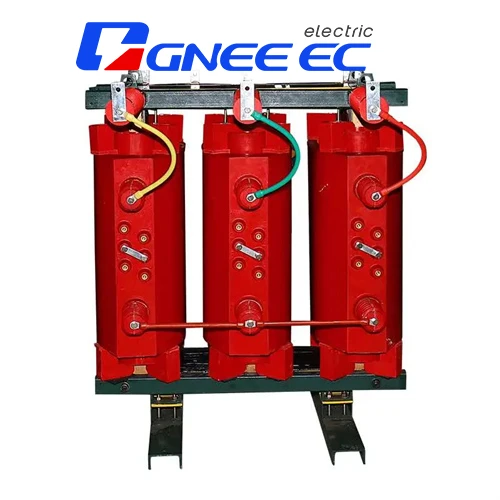
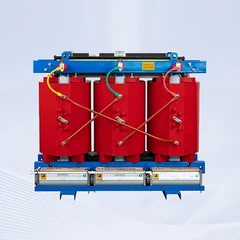
A dry-type transformer is a transformer that does not use any liquid as an insulating or cooling medium for its windings or core. Instead, it uses air or gas as the medium and epoxy resin or polyester resin as the insulation material.
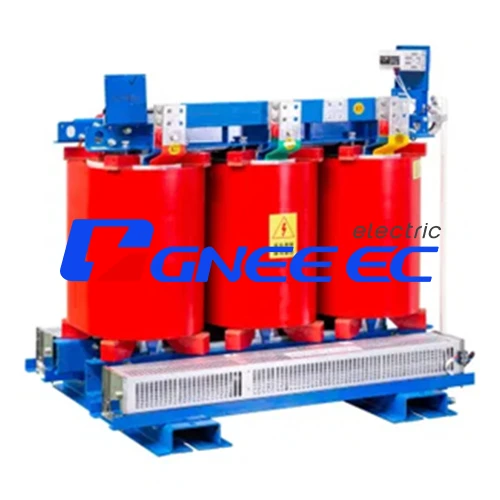
Three Phase Dry Type Transformer
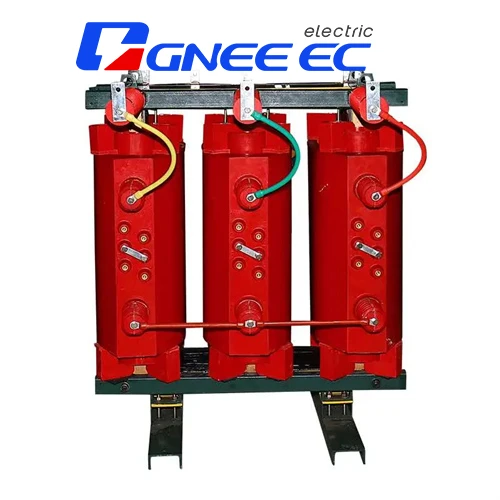
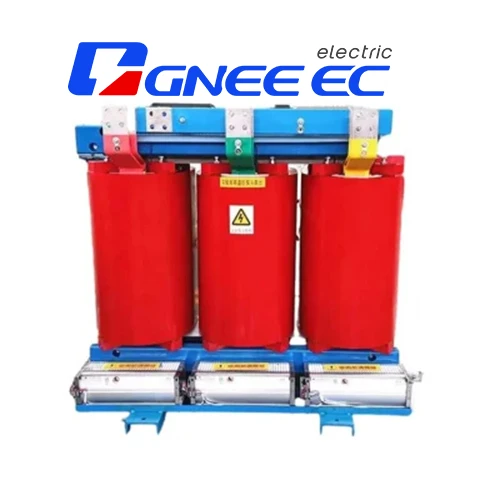
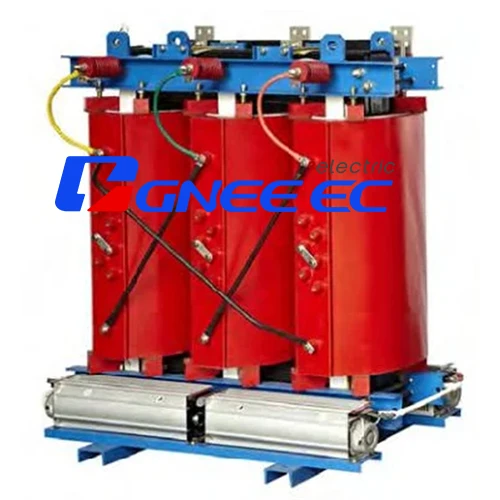
Three phase dry-type transformers mainly have these components: a magnetic core (usually made from silicon steel), windings (typically made from copper or aluminum), enclosure (to protect the transformer from the environment, cooling system (typically air-cooled), and terminals.

Single Phase Dry Type Transformer
Dry-type transformers, also known as cast resin transformers, are transformers that use air as the cooling medium instead of oil. They have gained popularity in recent years due to their environmental friendliness, safety, and durability. This article will provide an overview of the working principles and applications of dry-type transformers.
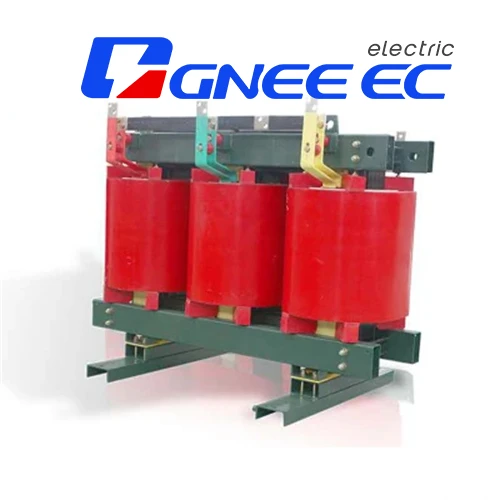
Dry Type Distribution Transformers
Dry Type Distribution transformers enable safe voltage levels for power consumption. But they are often located in densely populated areas or close to sensitive ecosystems.
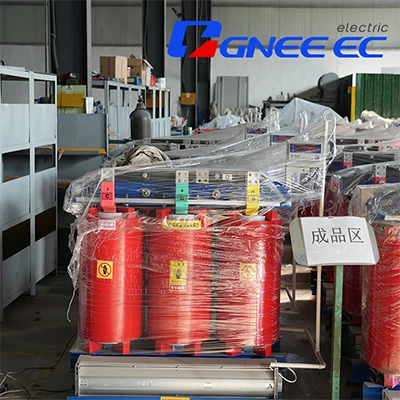
Cast Resin Dry Type Transformer
The cast resin dry-type transformer is for indoor application and fireproof. Both of the high and low voltage windings are encased in resin, so it prevent the windings from dust and corrosive air. The iron core is made up of cold-rolled silicon-steel plate.
Why Choose Us
Professional Competence
GNEE are professional one-stop solution for steel products of China. Self-designed Corten steel design and rust technology have reached the world average technical level.
Comprehensive Quality Service
Which continuously satisfy different needs of customer around the world in the steel supply chain area. Professional sales team, providing customers with first-class services; strict purchasing and quality inspection team, carefully selecting high-quality raw materials; advanced scientific and technical team to improve production and reduce costs for customers; excellent design and processing team, carefully crafted and refined; intimate shipping logistics team protecting product transportation.
Excellent Service Team
GNEE with Professional team, Quickly response, Short delivery time, Best competitive price, Best service.
Competitive Pricing
We strive to maintain competitive pricing, offering customers audio and video accessories that deliver high value for their investment.
Insulation: This part acts as a barrier separating windings from the core.
Transformer oil: The transformer oil has two main functions: insulation and cooling. The oil's insulation properties prevent electricity from shorting and arcing. This oil acts as a coolant by transporting away heat from the core and windings.
Thermometers: Thermometers monitor the temperature of the oil.
Pressure relief systems: Pressure relief systems are part of the safety protocol. They defuse overpressure situations when oil flashes because of short circuits.
Cooler: The cooling system cools the coolant. It cools down the hot oil via water or air-cooled tubes. The coolant is then returned to the core and the windings.
Tank: The tank protects the transformer windings and core from external conditions and holds the coolant.
Oil conservator: The oil conservator is a vessel installed separately from the tank. It helps hold oil after it has expanded due to heating in windings and the core.
Voltage regulators: Voltage regulators alter output voltage, which tends to decrease during loaded conditions. Modifying the tapping turns using a tap changer adjusts the voltage ratio.
Gas-actuated relay: Gas-actuated relays have another name – the Buchholz relay. It holds released gas bubbling from the transformer tank, and seeing this free gas indicates there is a problem with the transformer.
Breathers: Breathers work to keep the transformer oil dry. These breathers remove moisture from the air pockets above the conservator oil level.
Three Phase Power Transformer
The Three-Phase Power Transformer is a high-capacity transformer designed for voltage levels typically surpassing 46kV and power ratings exceeding 5MVA. It plays a crucial role in power transmission and transformation due to its high voltage levels and substantial capacity. Common voltage levels for three-phase power transformers include 66 kV, 69 kV, 110 kV, 115 kV, 132 kV, 138 kV, 220 kV, and 230 kV.
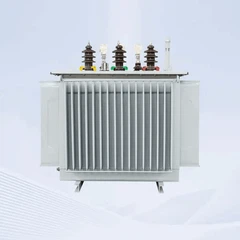
Three-Phase Oil Filled Distribution Transformers
Three phase oil filled Distribution Transformers, ranging from 100 kVA to 3150 kVA, feature primary voltages of 3.3 kV, 6.6 kV, 11 kV, and 33 kV, with secondary voltages of 415V, 400V, and 433V.
These transformers are meticulously designed for optimal efficiency and reliability, minimizing power losses attributed to resistance and other factors. Safety is a paramount consideration, and they incorporate protective measures to prevent electrical accidents and fires.
Within a three-phase distribution transformer, the secondary cable plays a crucial role in reducing the voltage produced by the main winding to a level safe for consumer use.
Three-phase pad-mounted Transformer
The Three-Phase Pad-Mounted Transformer is extensively utilized in the American market, finding applications in commercial areas, residential zones, solar power plants, wind energy plants, EV charging stations, industries, data centers, and even crypto mining facilities.
A distinctive feature of the pad-mounted transformer is its enclosure, meticulously designed to safeguard the transformer and its components from environmental factors such as moisture, dust, and tampering. Typically constructed from robust materials like steel or aluminum, the enclosure is equipped with insulation and cooling mechanisms to ensure optimal operating conditions.
The design incorporates a front compartment with a lock, housing high and low-voltage accessories, instruments, and meters. This configuration enhances its anti-theft and anti-tampering features.
What is the difference between single-phase and three-phase transformers
In electrical equipment and wireless circuit, commonly used for lifting voltage, matching impedance, safety isolation, etc. The main functions of the transformer are voltage conversion; Current conversion, impedance conversion; Isolation; Voltage regulator (magnetic saturation transformer); and Autotransformer; High voltage transformers (dry type and oil-immersed type), transformers commonly used core shapes generally have E and C type core, XED, ED CD type.
The single-phase transformer has lower no-load loss and energy-saving than the three-phase transformer with the same capacity. Some papers list the application example mentioned reform has the economic efficiency, with D10, D11 even D12 series transformer and compare with the capacity of the integrated series transformer, such as mentioned with the capacity of D11 single-phase transformer no-load loss is much lower than the integrated three-phase transformer, single-phase transformer so that more economic than three-phase transformer operation, This is a misunderstanding. In the example, the difference between the two technical levels is ignored. According to JB/T3837-1996 Transformer Product Model Compilation Method, the performance level of transformer model sequencing is stipulated, and the performance parameters of the bigger one should be raised to a new level. For example, the D10 series transformer is designed according to S10 transformer parameters. When demonstrating the effect of reducing losses of the D10 or D11 series transformer, the S10 or S11 transformer of the same model should be selected for comparison. It is unfair to select the S9 series transformer as a reference.
Less material
The same capacity of the single-phase transformer as a three-phase transformer with 20% less iron, with 10% less copper. Especially when the coil core structure is used, the no-load loss of the transformer can be reduced by more than 15%, which will make the manufacturing cost and use the cost of the single-phase transformer decrease at the same time, to obtain the best life cycle cost.
Low line investment
The single-phase power supply system in the power grid can save 33% ~ 63% of the wire, 42% of the weight of the wire can be saved according to the economic current density, and 66% of the consumption of the wire can be reduced according to the mechanical strength. Therefore, the construction investment of the whole transmission line can be reduced. This is of great significance in the lighting of street lamps and the use of electricity in the rural and urban areas of our country.
What Are The Common Uses Of Three-Phase Transformers
Three-phase transformers find widespread usage in electrical power systems, serving various purposes.
This makes them indispensable components in industries, commercial buildings, power generation plants, and other settings where electrical energy needs to be converted, distributed, or transmitted reliably and effectively.
Because the voltage coming out of the transmission lines is often too high to be directly used by residential and commercial properties, a 3 phase transformer is typically required to bring it down to a more manageable level.
These are all businesses that demand large amounts of electricity:
Steel
Mining
Oil and Gas
Chemical
Automotive
They facilitate the reliable transmission of electricity for diverse processes such as refining, distillation, mixing, pumping, and heating, ensuring smooth and uninterrupted operation of the plants.
A 3-phase transformer finds utilization in the regulation of speed and direction for motors, which serve as vital components across diverse industrial sectors.
Moreover, in hydroelectric, thermal, nuclear, wind, and solar power plants, three-phase transformers play a critical role in voltage upscaling for electricity generated.
These include turbines, boilers, reactors, turbines, or solar panels, before transmitting it to the power grid.
Without these transformers, the electricity would not be able to transmit over long distances to consumers at the appropriate voltage levels.
Similarly, in solar and wind power plants, 3 phase transformers are mainly used to step up the voltage of the electricity generated by the solar panels before transmitting it to the power grid.
These transformers play a critical role in enabling the efficient and reliable transmission of electricity generated by renewable sources, helping to reduce dependence on fossil fuels and promote sustainable energy practices.
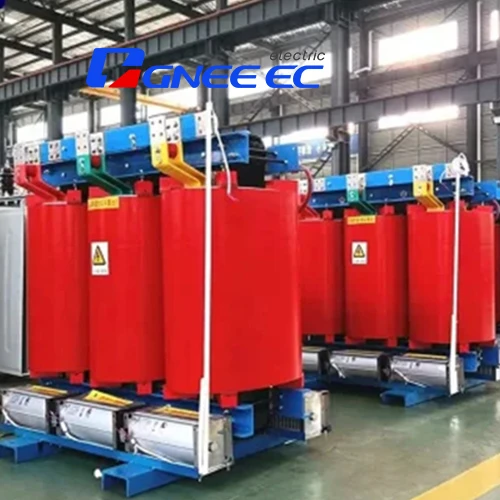
A three phase dry type transformer is an electrical device used to transfer electrical energy between three-phase systems. Unlike liquid-filled transformers, which use oil or other liquids as insulating and cooling mediums, dry type transformers use solid or gaseous materials like varnish or air for insulation and cooling. This makes them a safer option in certain environments, such as indoor installations or areas prone to fire risks.
The market for three phase dry type transformers has been steadily growing in recent years, driven by several factors. The increasing focus on energy efficiency, particularly in industrial and commercial sectors, has led to a higher demand for transformers that offer better performance and efficacy.the need for reliable power supply and continuous electricity in developing regions is further driving the market growth.
The rise in renewable energy installations, such as wind and solar power plants, is another factor contributing to the market growth. These installations often require power transformers to step up or step down the voltage levels, and dry type transformers are preferred for their environmental friendliness and scalability.
The development of smart grids and the increasing demand for electric vehicles are also expected to propel the market growth. The shift towards smart grids requires advanced transformers that can provide precise voltage regulation and monitoring capabilities, driving the adoption of dry type transformers.
The market is witnessing a growing preference for air-cooled dry type transformers due to their efficiency and reduced maintenance requirements. There is also a rising demand for low-loss and energy-efficient transformers to minimize power wastage.
The three phase dry type transformer market is projected to grow at a compound annual growth rate (CAGR) of % during the forecast period, driven by factors such as energy efficiency, renewable energy installations, smart grid development, and the rising demand for electric vehicles.
Our Factory
The products have passed SGS, intertek, CCC, CE and other international certifications. Noise, easy installation, energy saving and emission reduction, long service life, etc. The product production cycle is short, easy to install, and fast delivery. At present, the company has more factories.Our team is composed of very professional engineers. We strive to deliver you on time within the budget Power equipment, and provide excellent product quality. Provide you with the ultimate experience.

Certificate

FAQ
Hot Tags: three phase dry type transformer, China three phase dry type transformer manufacturers, suppliers, factory, dry cast resin transformers, 1500 kva dry type transformer, Dry Transformers, Dry type distribution style transformers, 50KVA 0 Dry Type Transformer, Air Insulated Rectifier Transformer
You Might Also Like


Send Inquiry